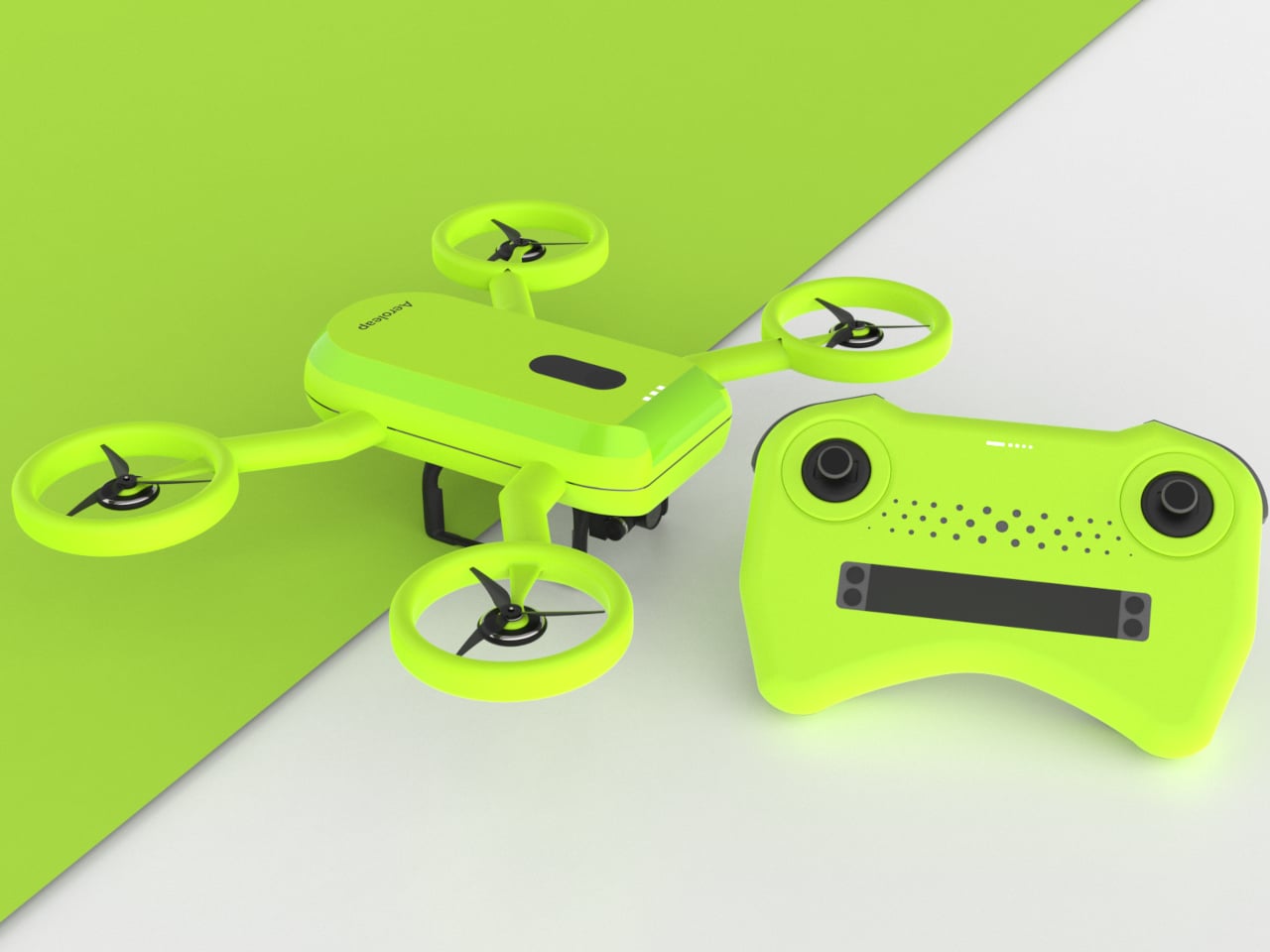
Most consumer drones look and feel intimidating to a child. They’re loud, angular, full of exposed propellers, and packed with complex controls adults barely understand. Kids want to see the world from above, but parents see spinning blades and fragile arms that cost too much to replace. The mix of fascination and fear turns what could be fun into something closer to borrowing a grown-up’s expensive, breakable toy.
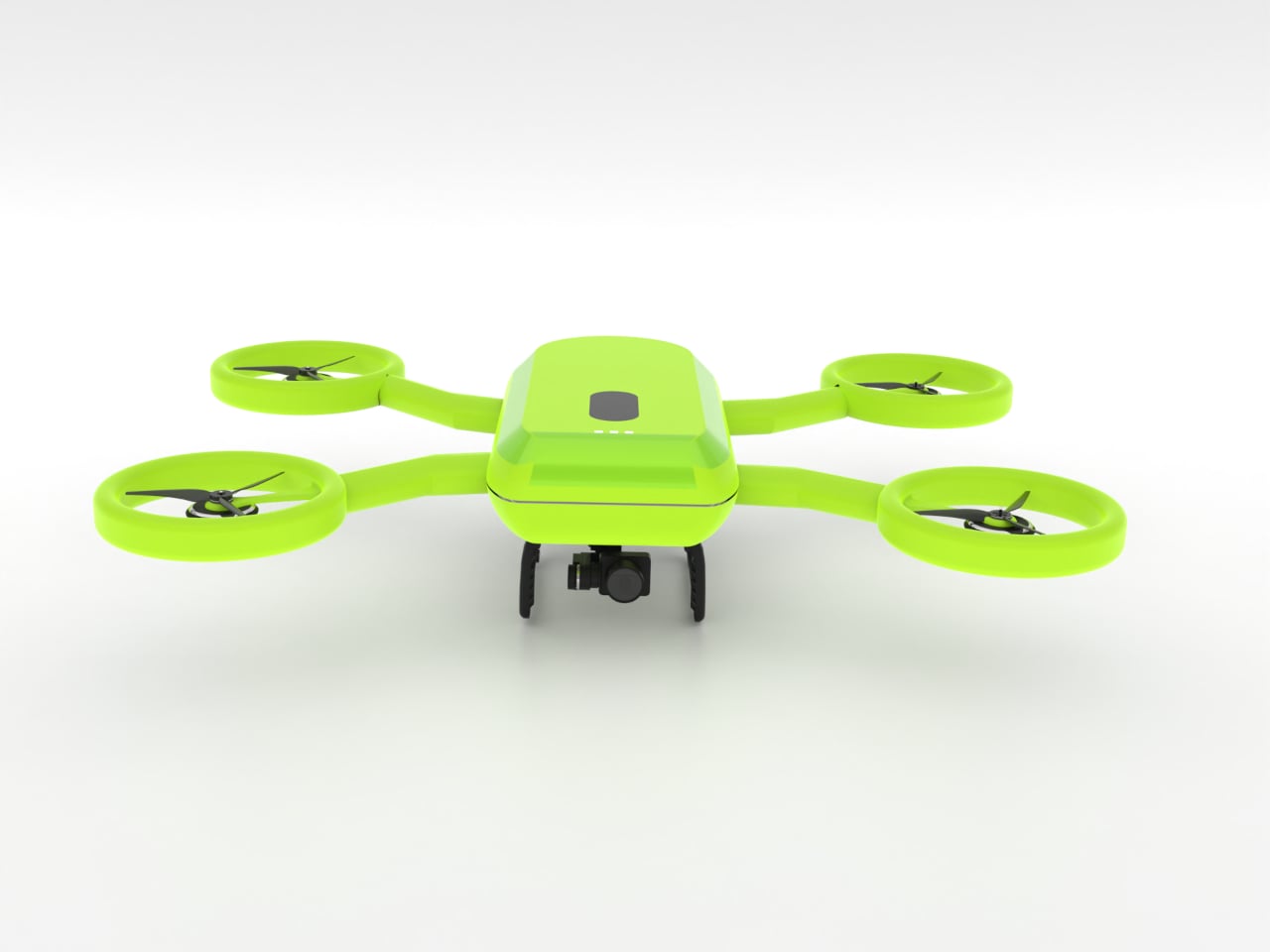
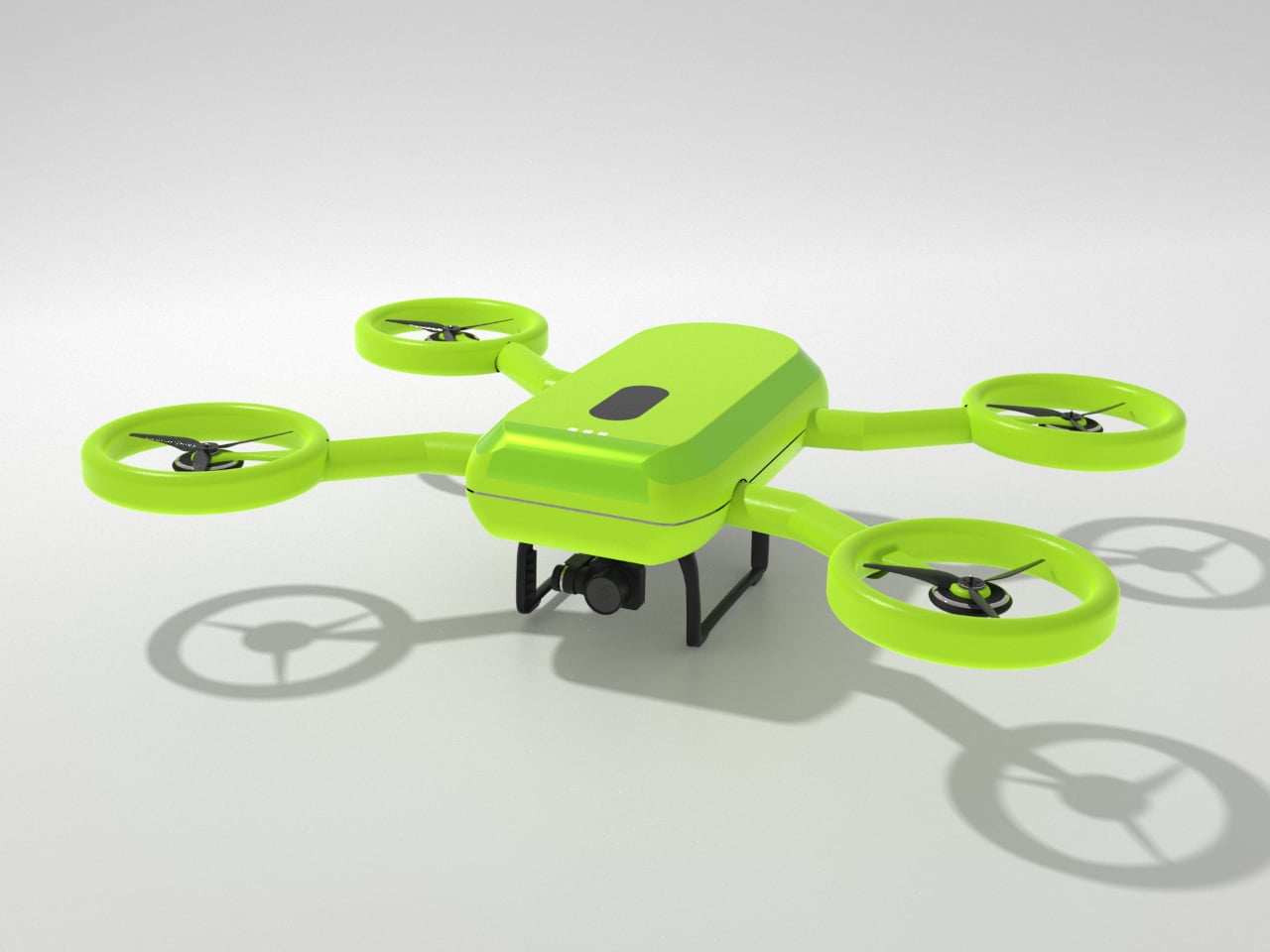
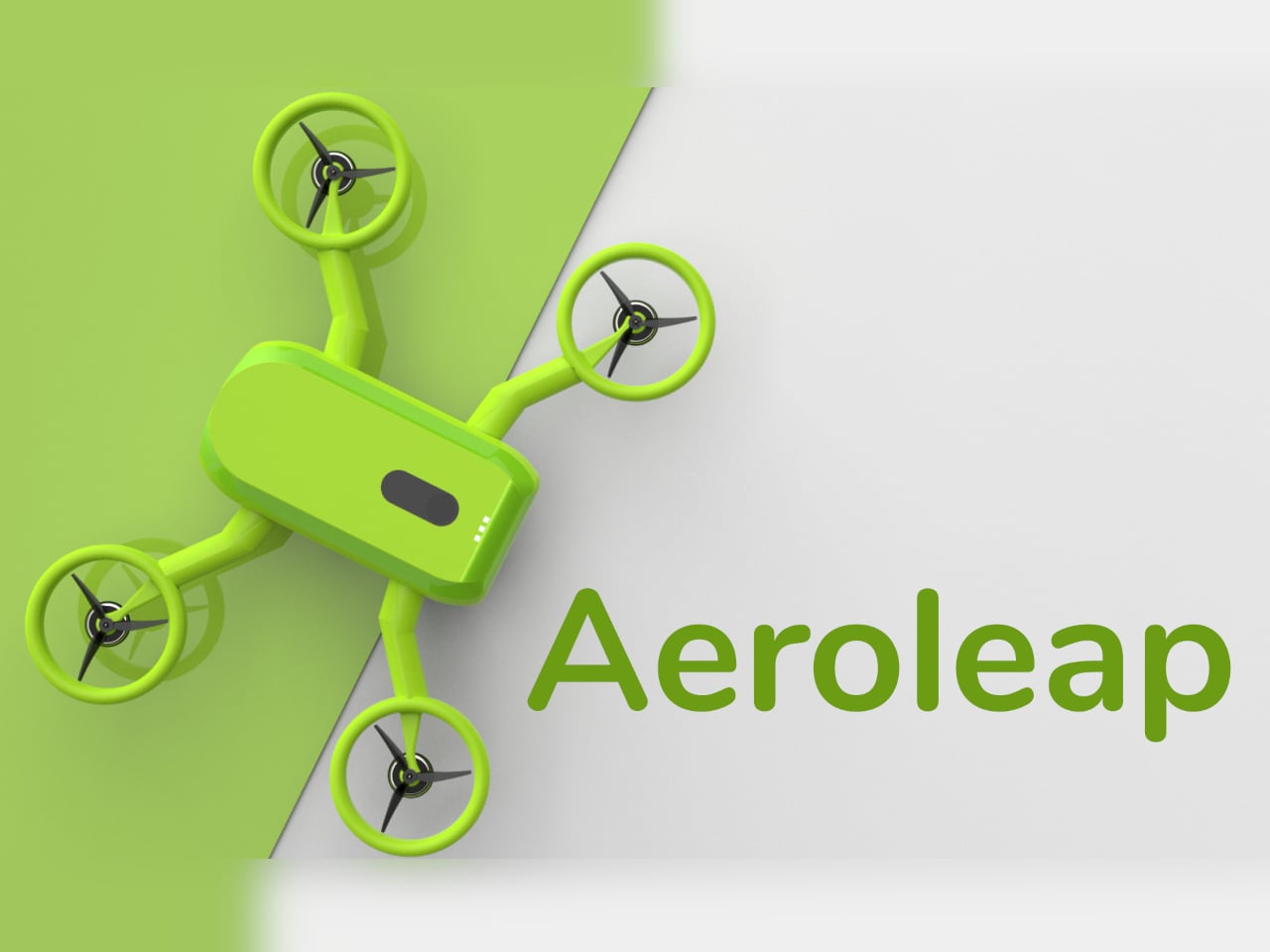
Aeroleap is a kid-friendly drone concept that tries to lower that barrier. Designed for children aged six to twelve, it uses soft, organic form language and clear visual cues to communicate safety and balance. The design draws inspiration from a frog’s stance, so the drone feels stable and approachable rather than mechanical or aggressive, more like a small creature ready to hop than a tiny aircraft ready to crash.
Designer: Anuja Deshpande
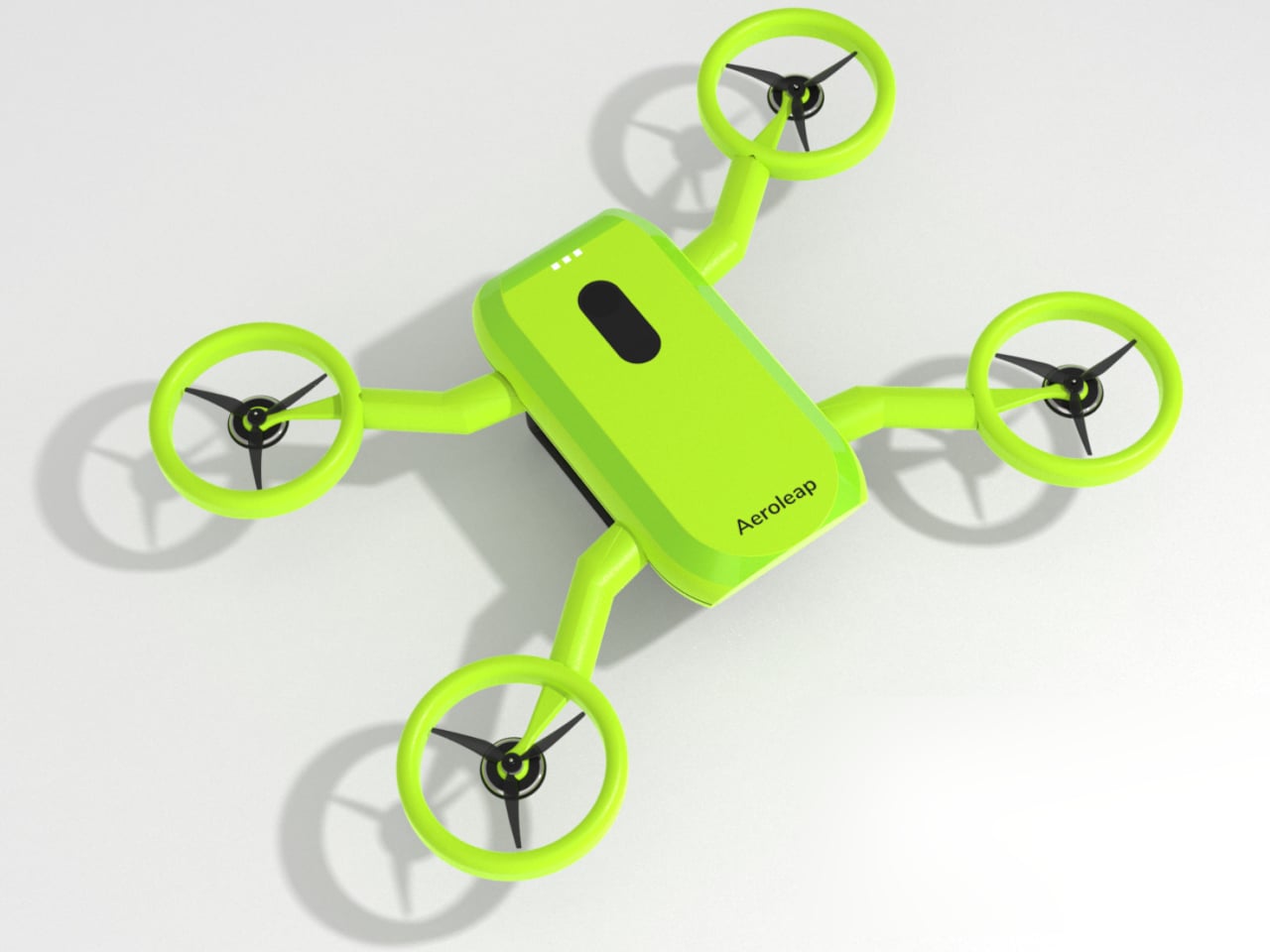
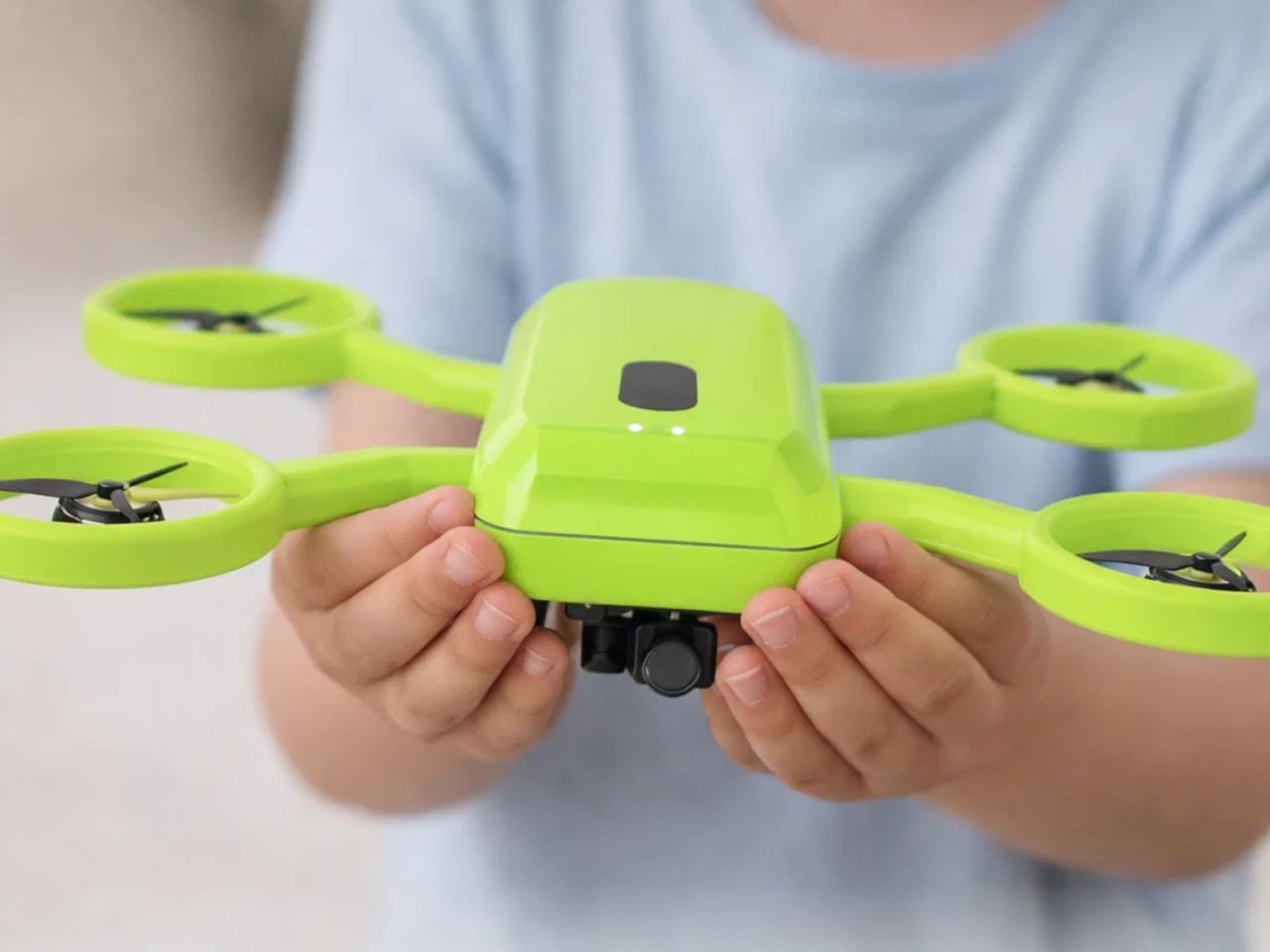
A child in a backyard holds a controller that feels like a gamepad, watching a bright green drone lift off without exposed blades buzzing near fingers. The integrated propeller rings and rounded body make it clear where it’s safe to touch, and the frog-like stance on the ground helps it read as balanced and ready, not twitchy or fragile like hobby drones that need constant correction just to hover.
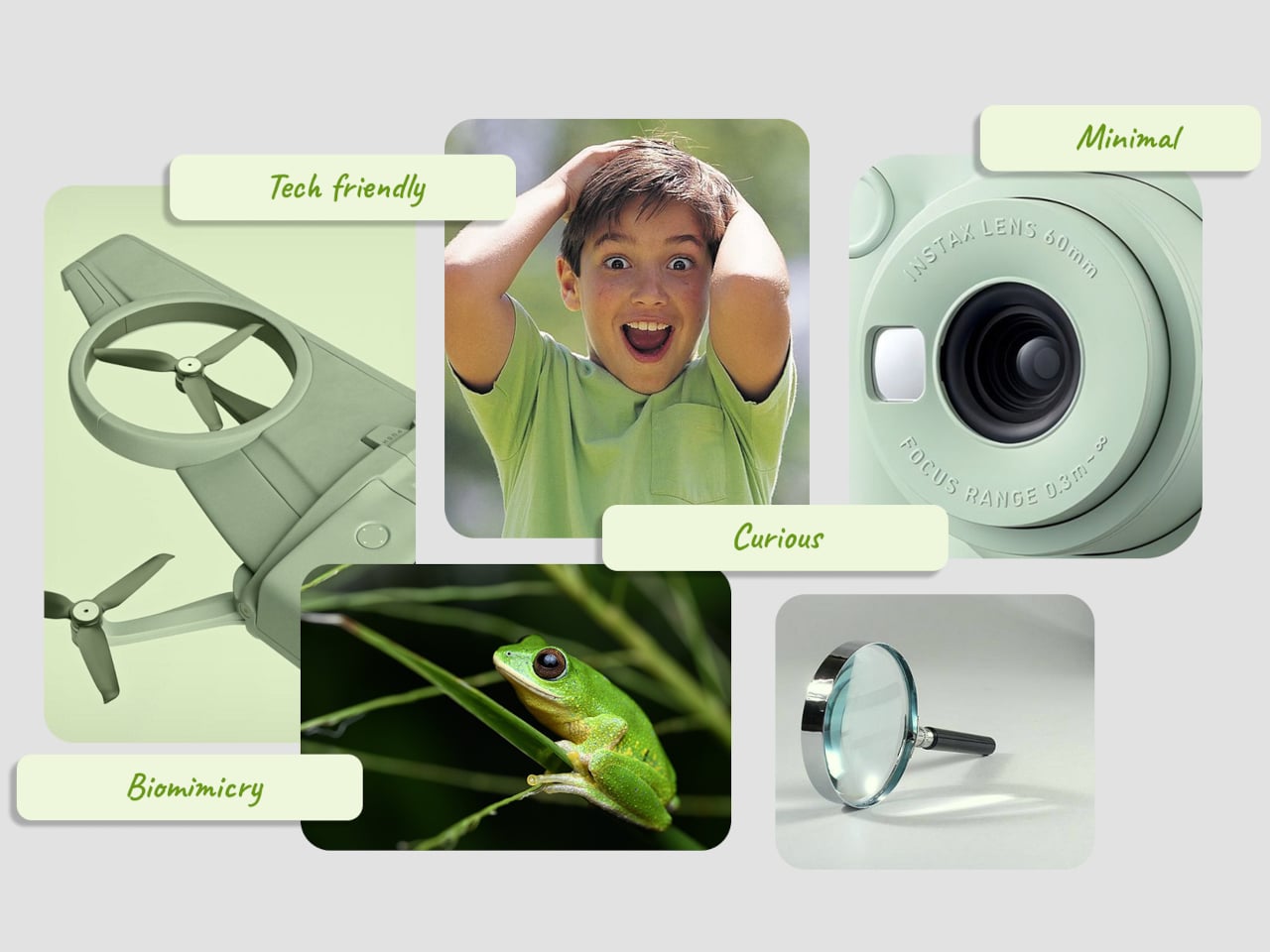
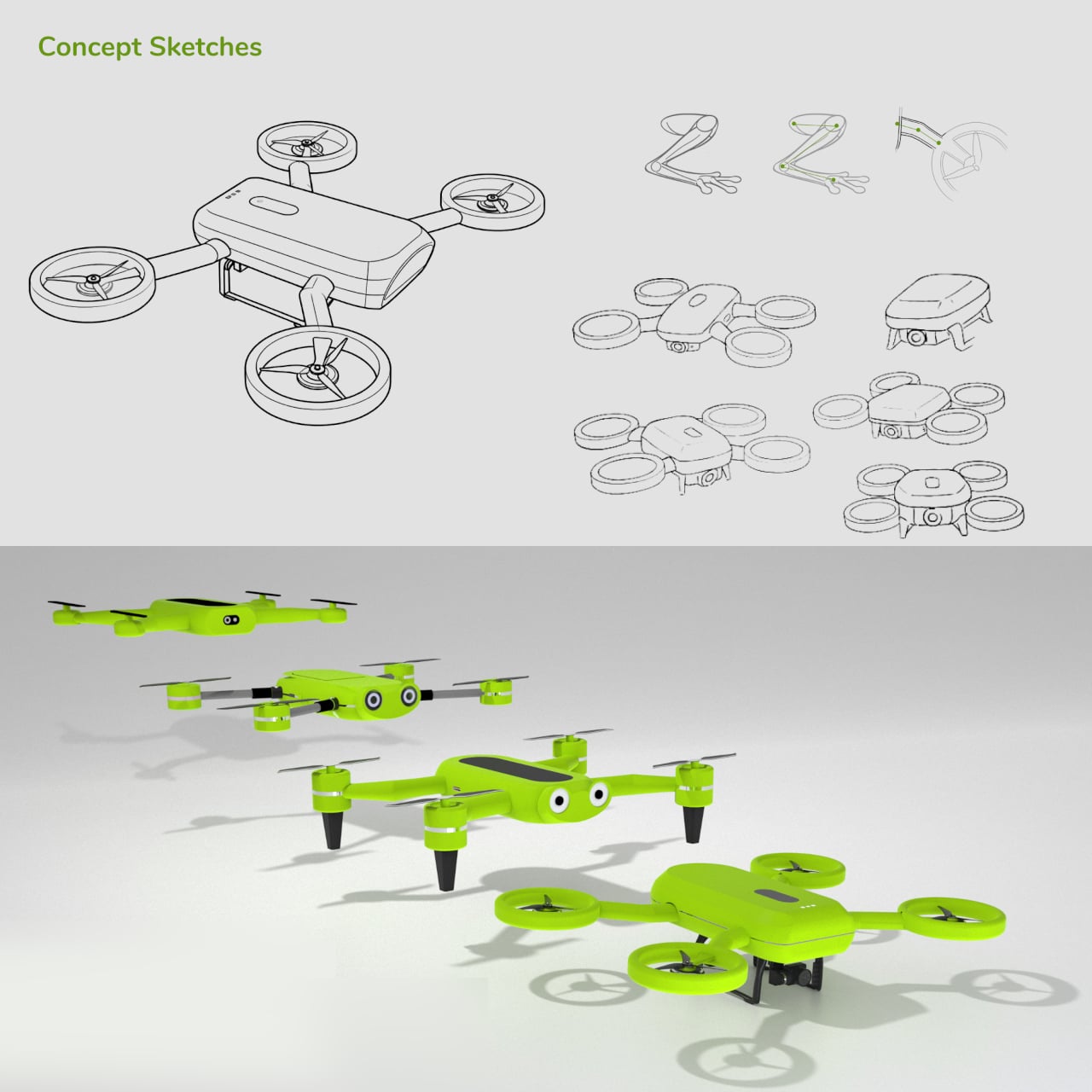
The frog metaphor shows up in the geometry. A central body sits low with four limbs ending in circular rings that fully enclose the propellers. Those rings add protection during low-height play, reducing injury risk and damage when the drone bumps into walls or trees. The rounded guards and soft transitions do the safety work without needing extra cages or add-on bumpers that make everything heavier.
The interaction layer stays simple. A controller holds a phone that shows a live camera view from the drone, focusing on essentials like battery and connection. The physical controls stay familiar and tactile, so kids get the thrill of seeing their surroundings from above while parents can glance at the same feed. Nobody has to decode a cockpit full of tiny icons just to enjoy a short flight.
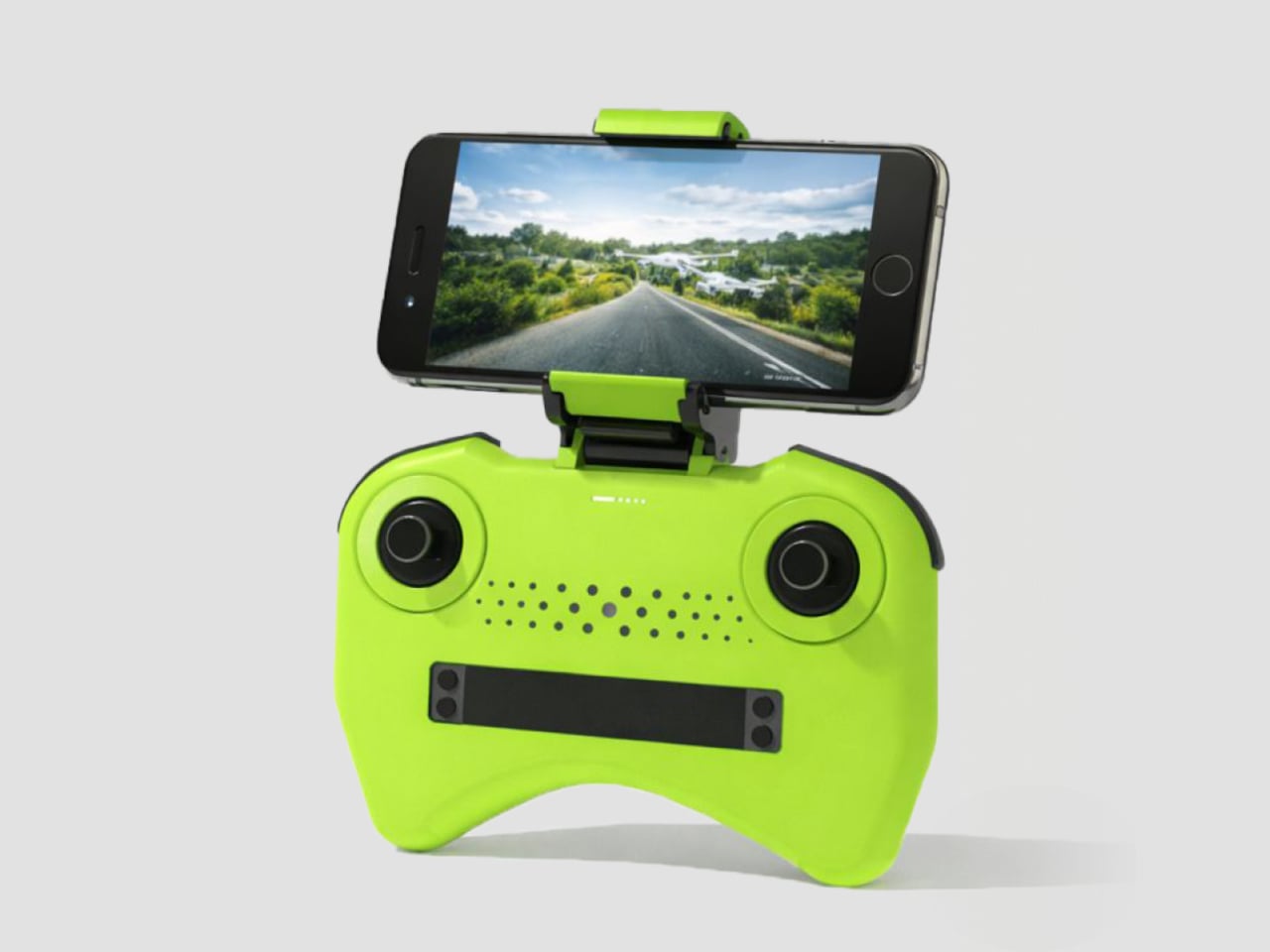
The project is grounded in research with kids, parents, and tech educators, who all flagged fragile builds, complex controls, and unsafe-feeling devices as major turn-offs. Aeroleap responds by keeping functionality simple and robust, focusing on how the product is held and understood at first glance instead of layering on autonomous modes that might confuse more than they help when you’re nine years old.
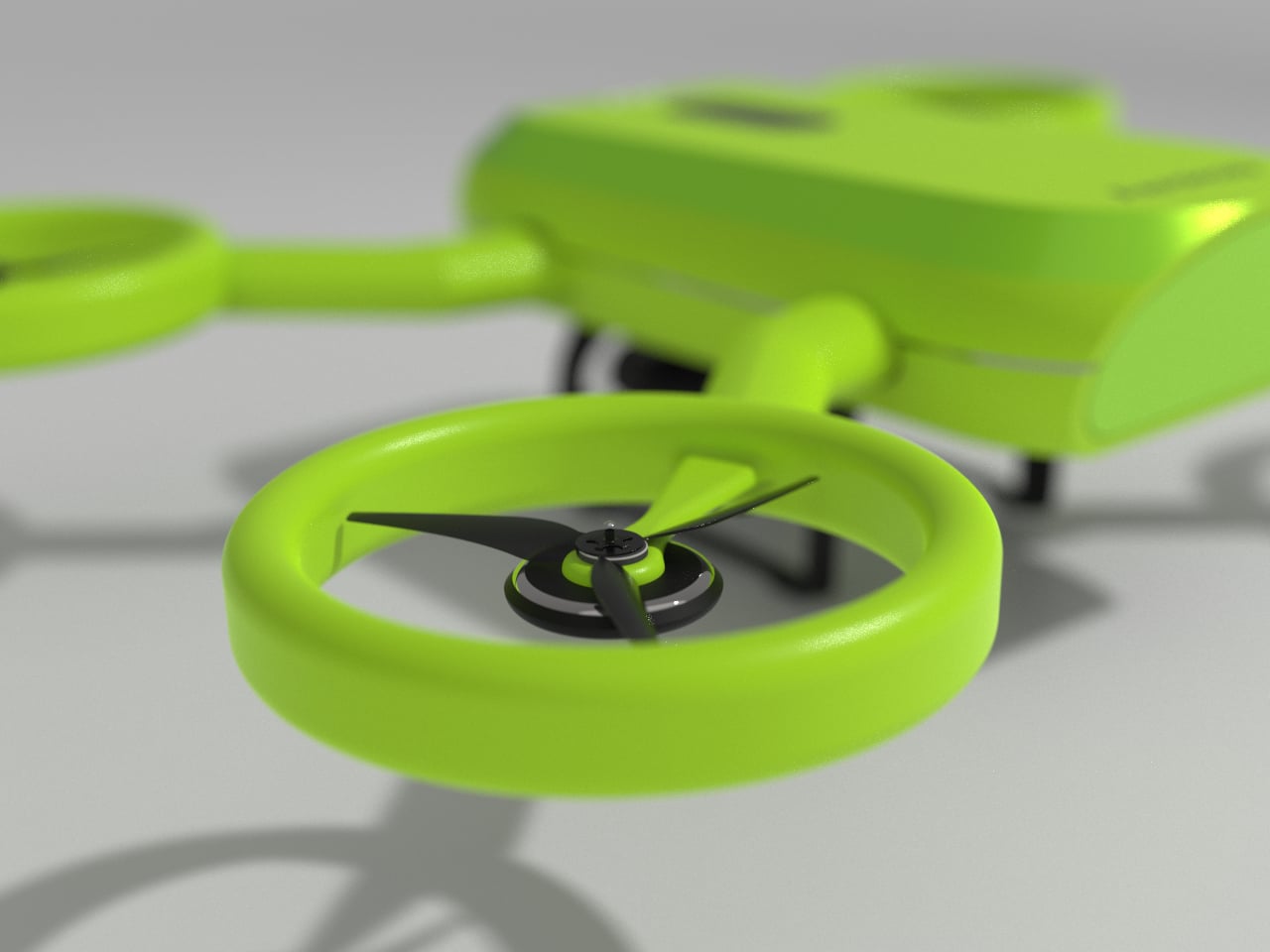
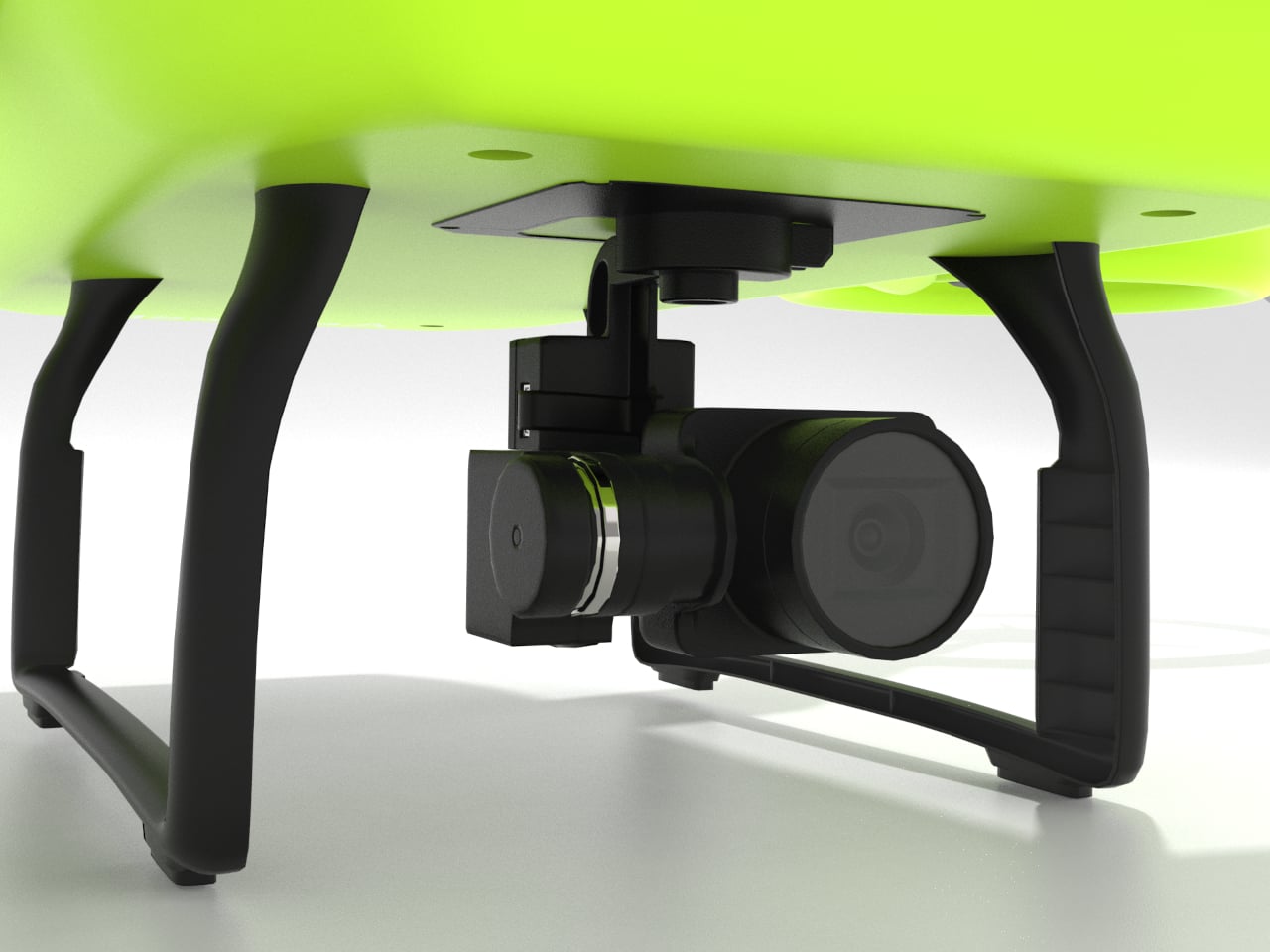
Aeroleap explores how industrial design alone can shape a child’s confidence around new technology. By softening the form, enclosing the dangerous bits, and making the controller feel familiar, it invites kids to be curious about flight without scaring parents off. Sometimes the difference between intimidating and inviting isn’t a feature list but the way an object looks and moves the first time you meet it, and a drone shaped like a friendly frog feels like it’s already smiling before it leaves the ground.
The post This Kid-Safe Drone Looks Like a Frog and Hides Spinning Blades first appeared on Yanko Design.
from Yanko Design



0 Comments