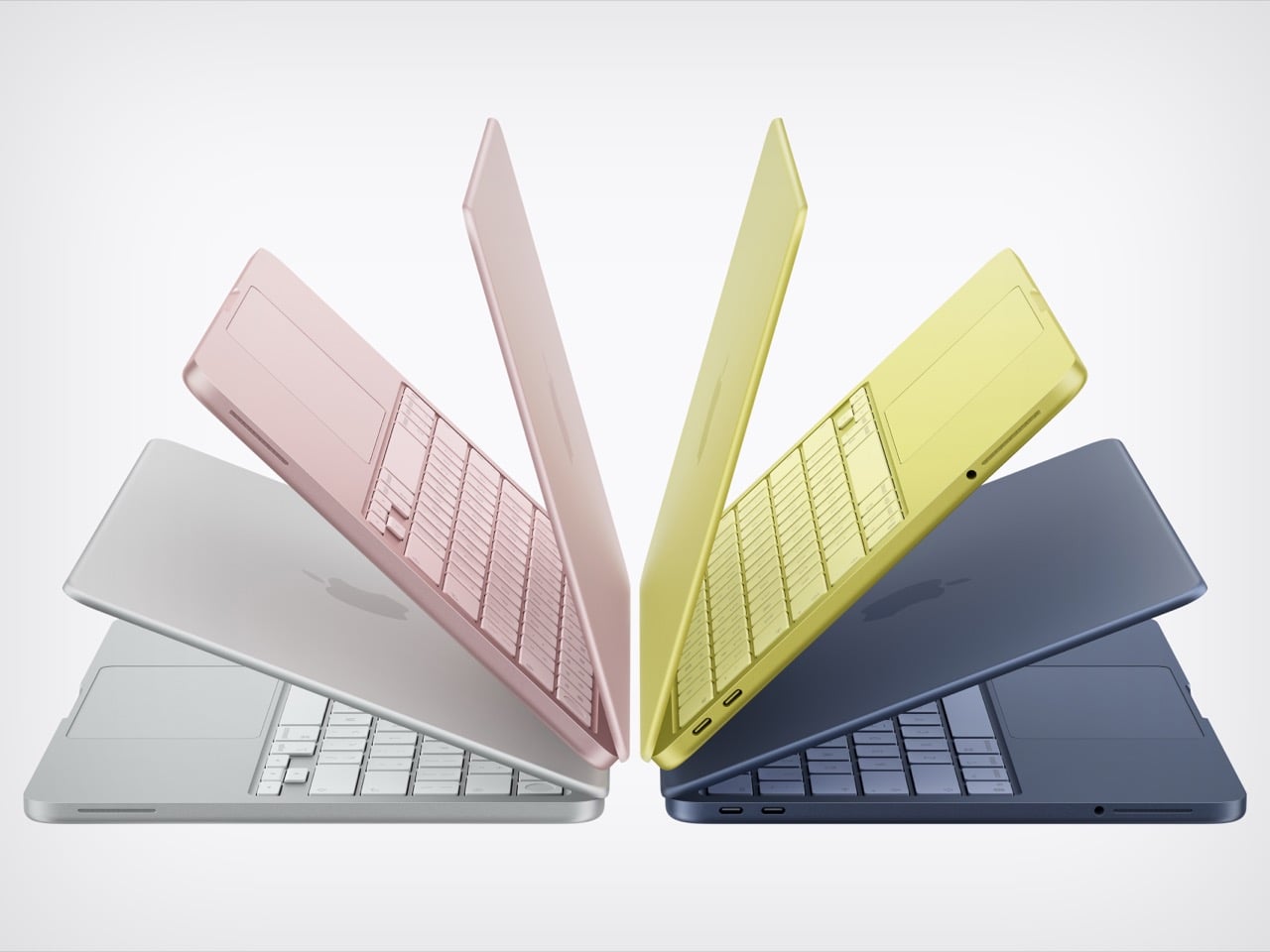
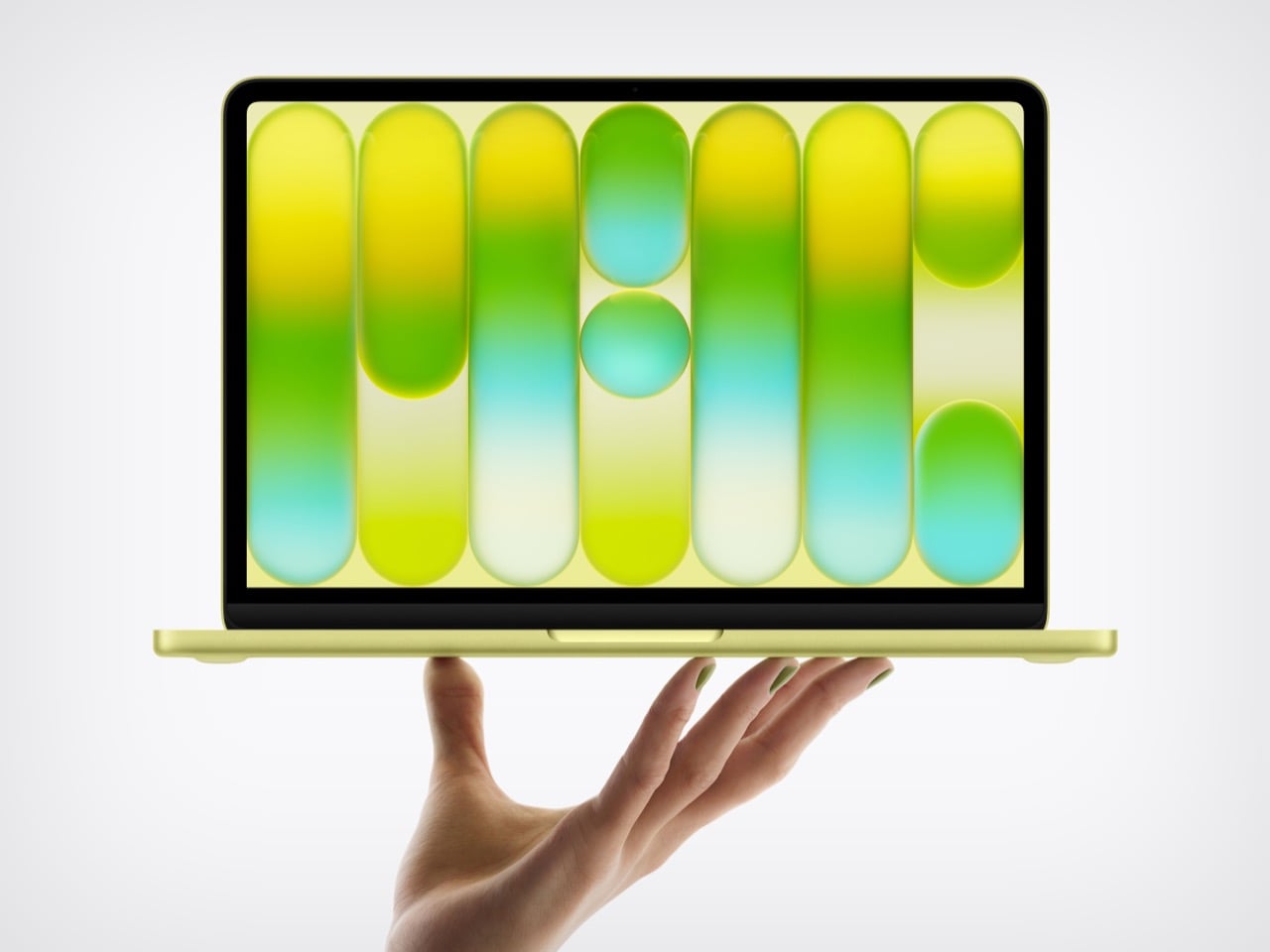
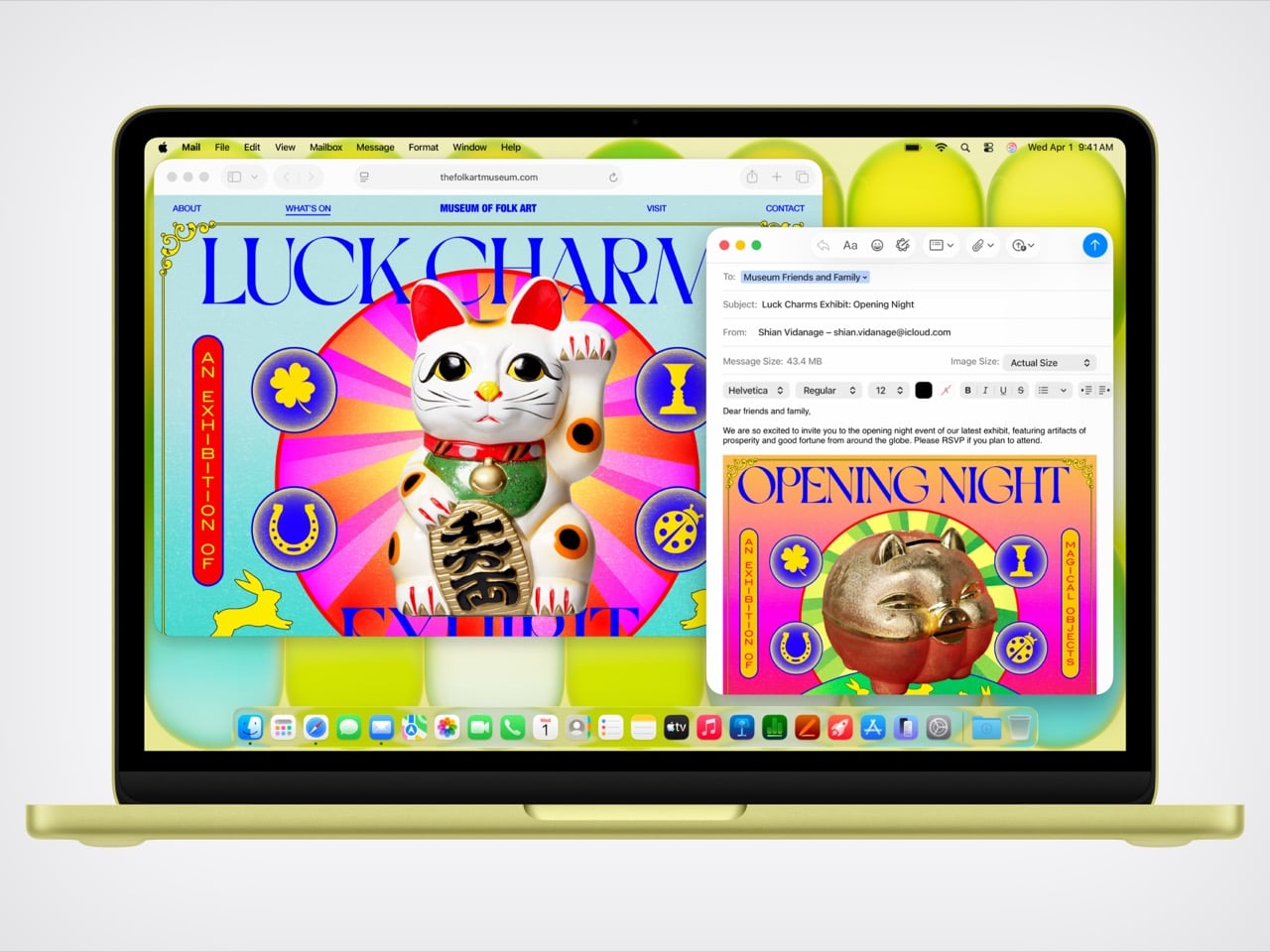
The cheapest MacBook now costs exactly the same as the cheapest iPhone. That’s not a punchline; it’s a price list. For $599, you can get a phone, or you can get a laptop that runs on a phone’s chip, specifically the A18 Pro that powered the iPhone 16 Pro a couple of years back. Apple looked at its vast bin of perfectly good, massively over-engineered mobile silicon and made the most logical leap imaginable. They put it in a beautifully milled aluminum chassis with a keyboard and a 13-inch Liquid Retina display, creating a machine that is, for all intents and purposes, a grown-up iPhone that doesn’t make calls. It’s a wildly clever, almost cynical, piece of product engineering that redefines the entry point to the entire Mac ecosystem.
This move wasn’t about inventing new technology, but about finding the perfect home for existing tech that had become inexpensive through sheer scale. The A18 Pro, with its 6-core CPU and 5-core GPU, is more than capable of handling the daily workload of the average student or web-browser warrior. Paired with a baseline of 8GB of unified memory and a 256GB SSD, the MacBook Neo is engineered to be just enough computer for a massive audience that was previously priced out. Apple’s genius here is recognizing that the performance floor of their mobile chips has risen so high that it now meets the “good enough” ceiling for a huge segment of the laptop market. This is an exercise in masterful cost management, not a race for benchmark glory.
Designer: Apple
That brings us to the real target of this colorful little machine: the classroom. The MacBook Neo isn’t for the video editor or the traveling professional; it’s a precision-guided missile aimed directly at the heart of Google’s Chromebook empire. With an education price of just $499, Apple has officially entered a knife fight with a very sharp, very shiny knife. For years, schools have defaulted to fleets of cheap, functional, and ultimately disposable Chromebooks. Apple is betting that for a small premium, school districts will jump at the chance to give students a device that feels premium, integrates with their iPhones, and carries the weight of the Apple brand. It’s a compelling argument that repositions the Mac from an aspirational product to a practical, attainable one.
It’s not that Google completely fumbled its lead, but it certainly grew complacent. The Chromebook ecosystem won on price and dead-simple IT management, not on user experience. Google’s Auto Update Expiration policy, which effectively gives every device a software death sentence, has been a constant source of friction for budget-strapped schools that need hardware to last. This created an opening for a company known for its long-term software support. Apple can now walk into a school administrator’s office and offer a more durable, better-feeling machine with a clear software roadmap, making the slightly higher initial cost seem like a smarter long-term investment. Google sold schools a cheap solution, and Apple is countering with a cost-effective one.


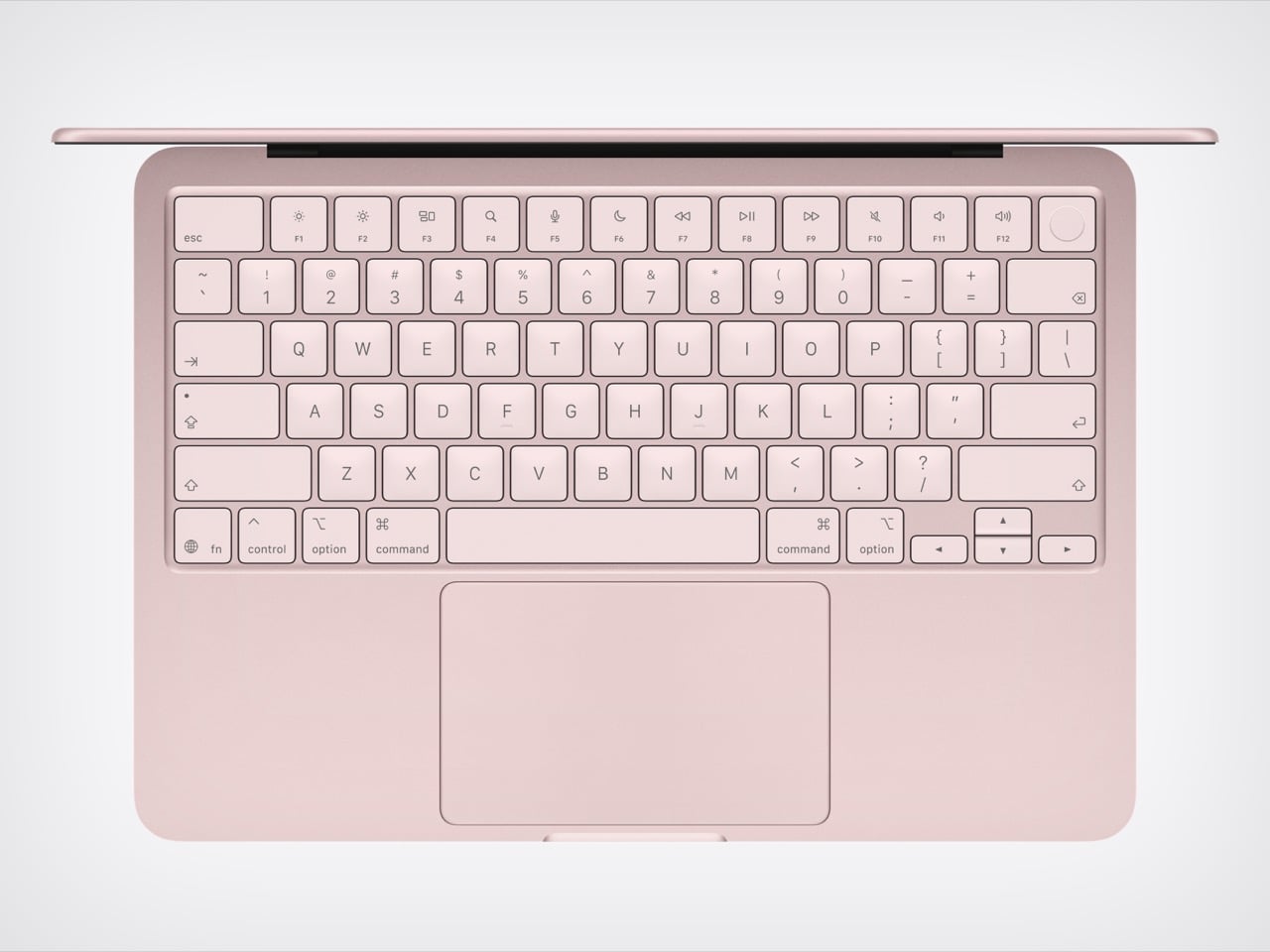
Of course, a $599 Mac comes with an asterisk, and the MacBook Neo has a few big ones. The most glaring omission is the lack of a backlit keyboard, a feature that has been standard on laptops for over a decade and feels almost punitive to remove. There’s also no support for fast charging, so topping up the battery will be a leisurely affair. These aren’t accidents; they are carefully calculated sacrifices made to protect the profit margin and create clear feature differentiation from the more expensive MacBook Air. Apple is using the vibrant new color options, like Citrus and Indigo, to distract from the spec sheet compromises, but to be honest, nothing is more of a distraction than that price point.
The post Did Apple’s $599 MacBook Neo just paint a target on the Google Chromebook’s back? first appeared on Yanko Design.
from Yanko Design



0 Comments