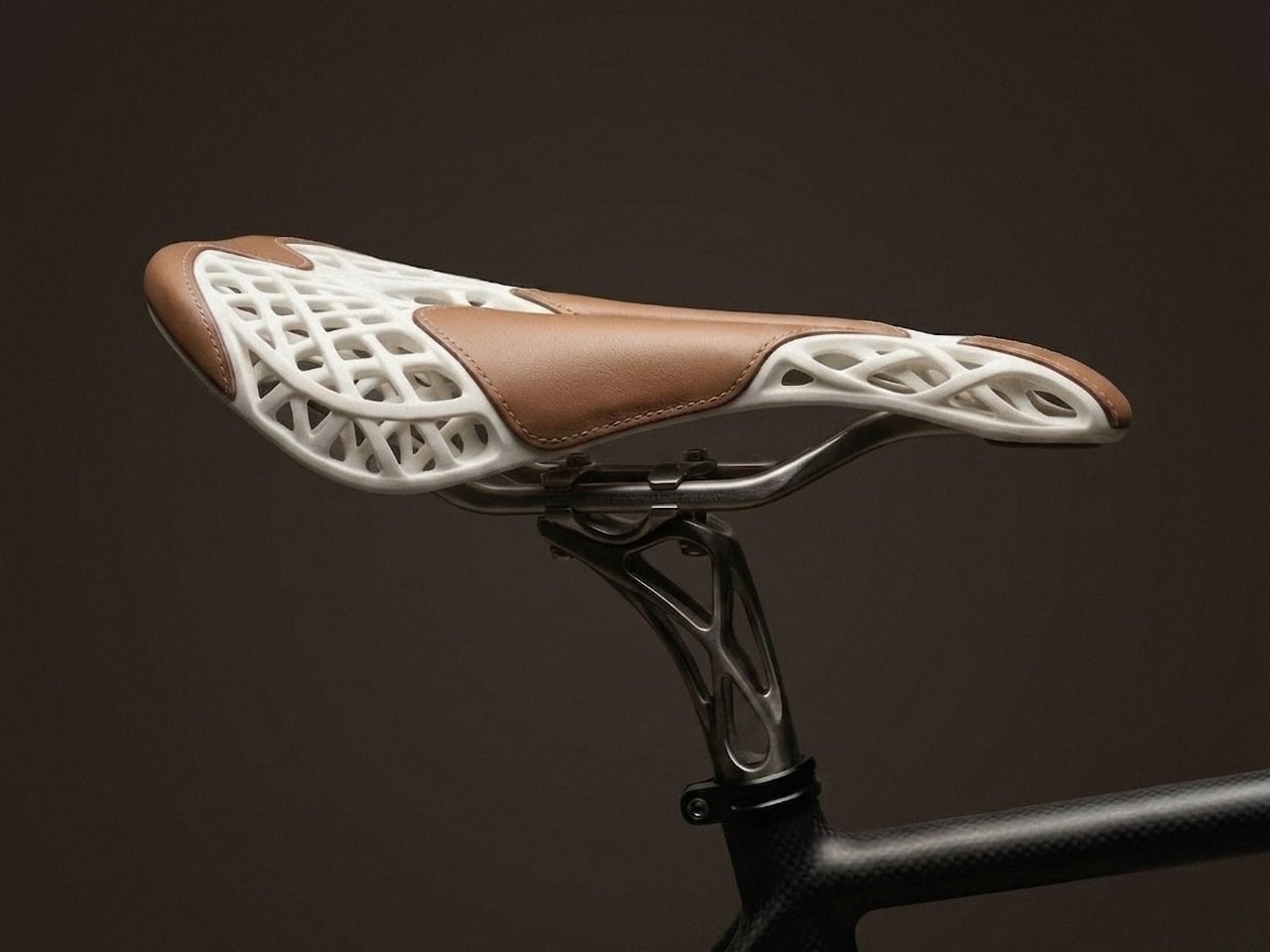
Most conversations about technology and craft follow the same script. Technology is fast, scalable, cold. Craft is slow, precious, warm. The two might share a showroom floor or a mood board, but they rarely share a philosophy. Mahdi Naïm’s AERIS bicycle saddle disagrees with that entire premise, and the disagreement is worth paying attention to.
AERIS is not a bicycle saddle that happens to look interesting. It is a bicycle saddle built around a single, demanding question: what if 3D printing and traditional craft weren’t layered on top of each other, but designed together from the very first sketch? That shift in thinking, from assembly to co-authorship, is what separates AERIS from the dozen other “tech meets heritage” products that surface at design fairs every season.
Designer: Mahdi Naim
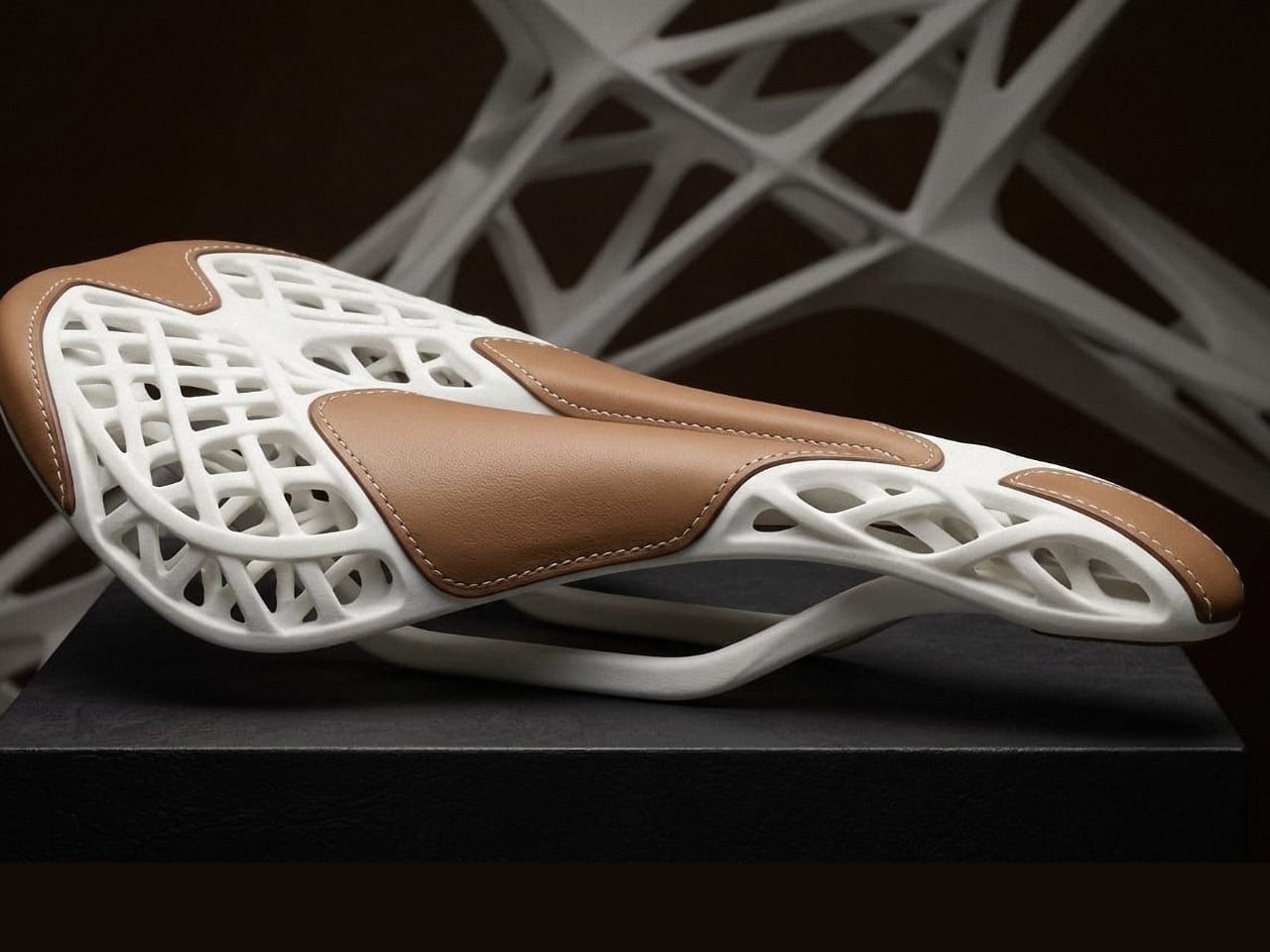
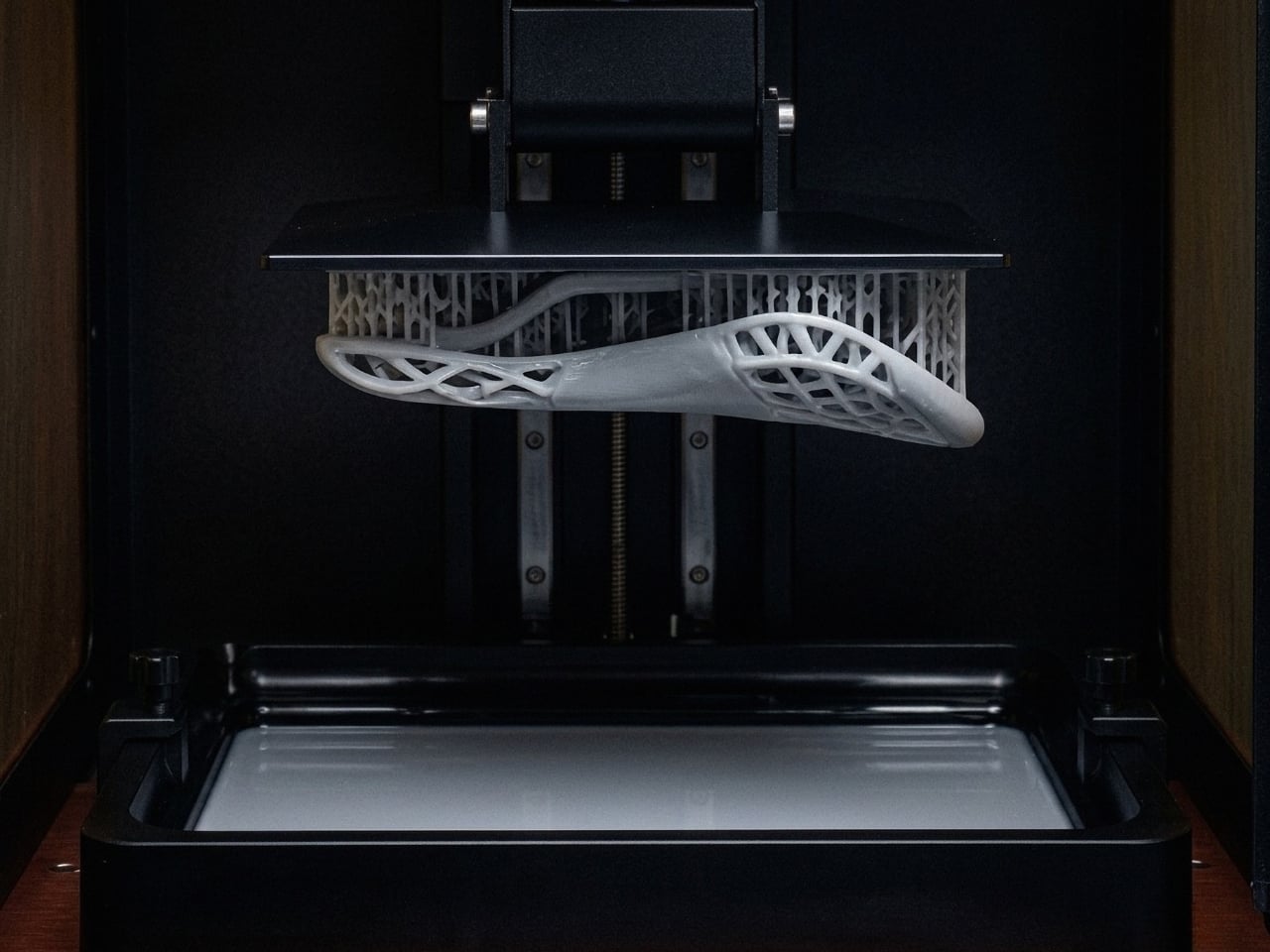
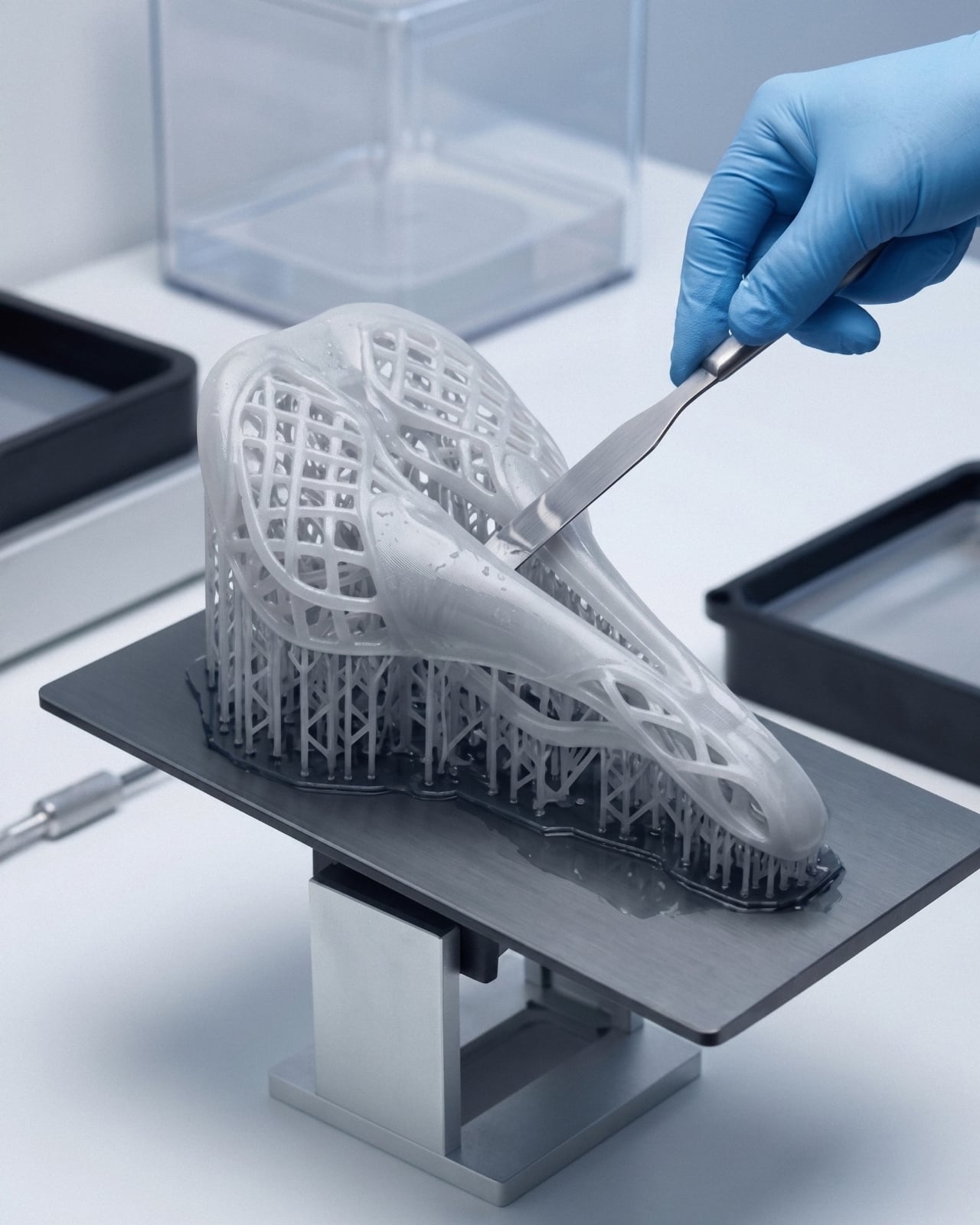
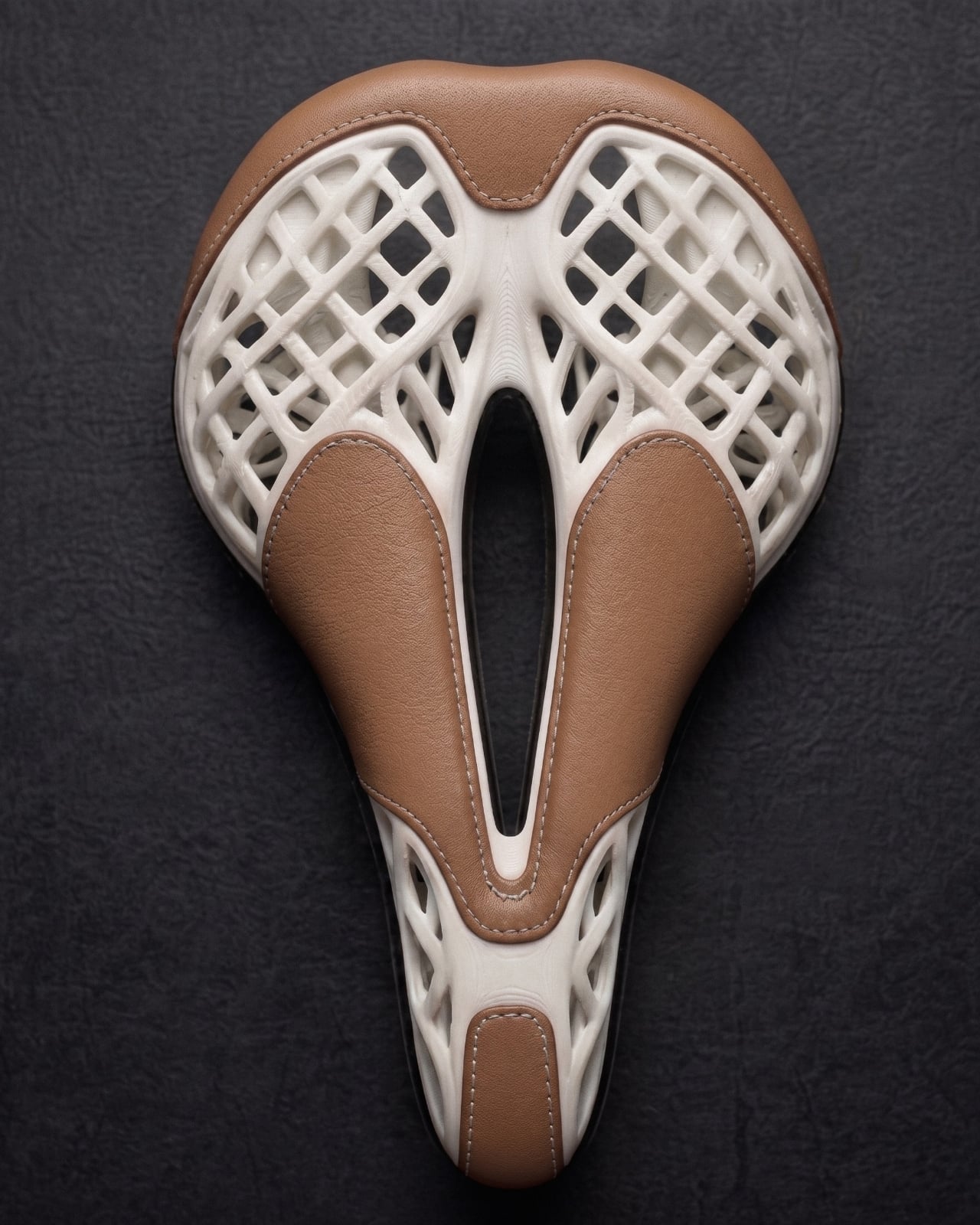
The structure is built on a lattice produced through high-precision photopolymerization, specifically SLA and DLP printing, in high-performance elastomer resin. The geometry is not decorative. It is functional in the most literal sense: the lattice density changes across three zones of the saddle, denser where firm support is needed under an aerodynamic riding position, progressively softer through the transition zone, and open at the perineal relief zone to minimize pressure. No foam. No padding added to compensate for poor design thinking. The structure itself is the comfort system.
That kind of discipline is rare, and I say that as someone who has watched a lot of product design lean on material additions to solve problems that should have been solved earlier. Foam is easy. Getting the geometry right from the start is not. It takes conviction to design without a fallback.
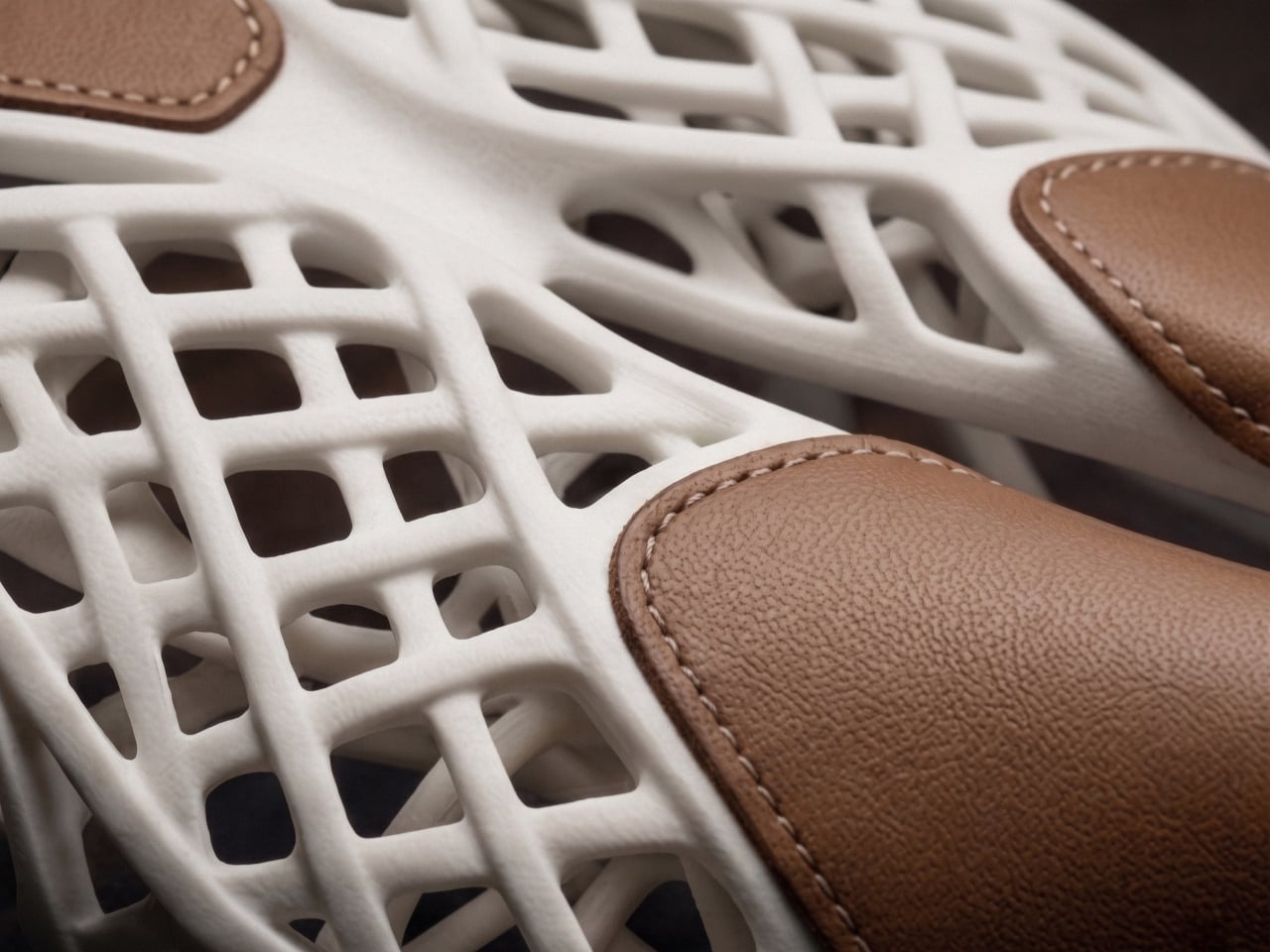
The second layer, and I do mean the second design logic rather than a second material slapped on afterward, is where a French master saddler comes in. Full-grain vegetable-tanned leather, hand-stitched. The studio is clear that this is not an aesthetic decision. The leather works mechanically with the resin, distributing pressure and shear forces in ways that neither foam nor synthetic materials can match at equivalent weight. The interface between the two materials was designed during the modelling phase, not decided once the print came out of the machine.
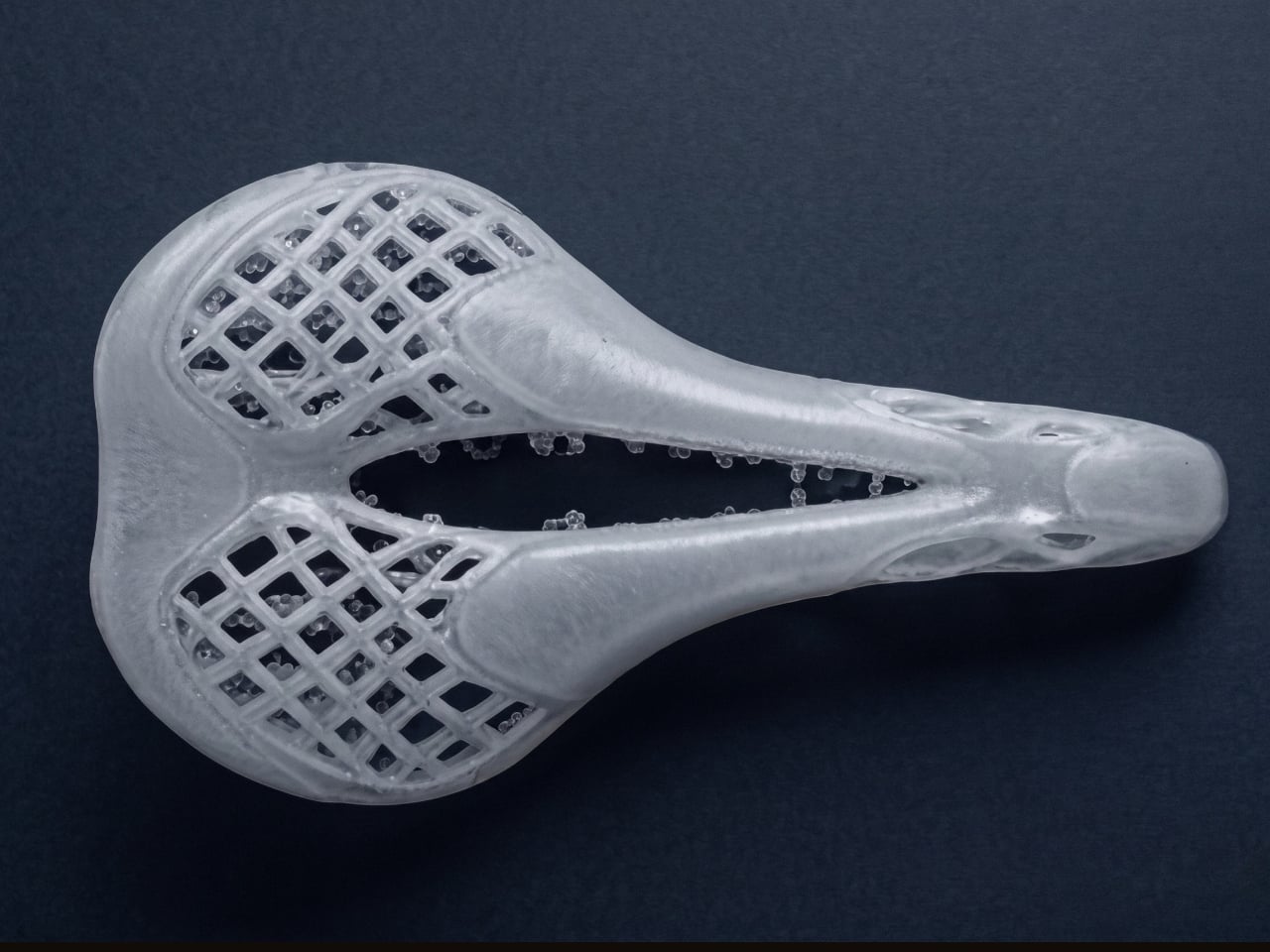
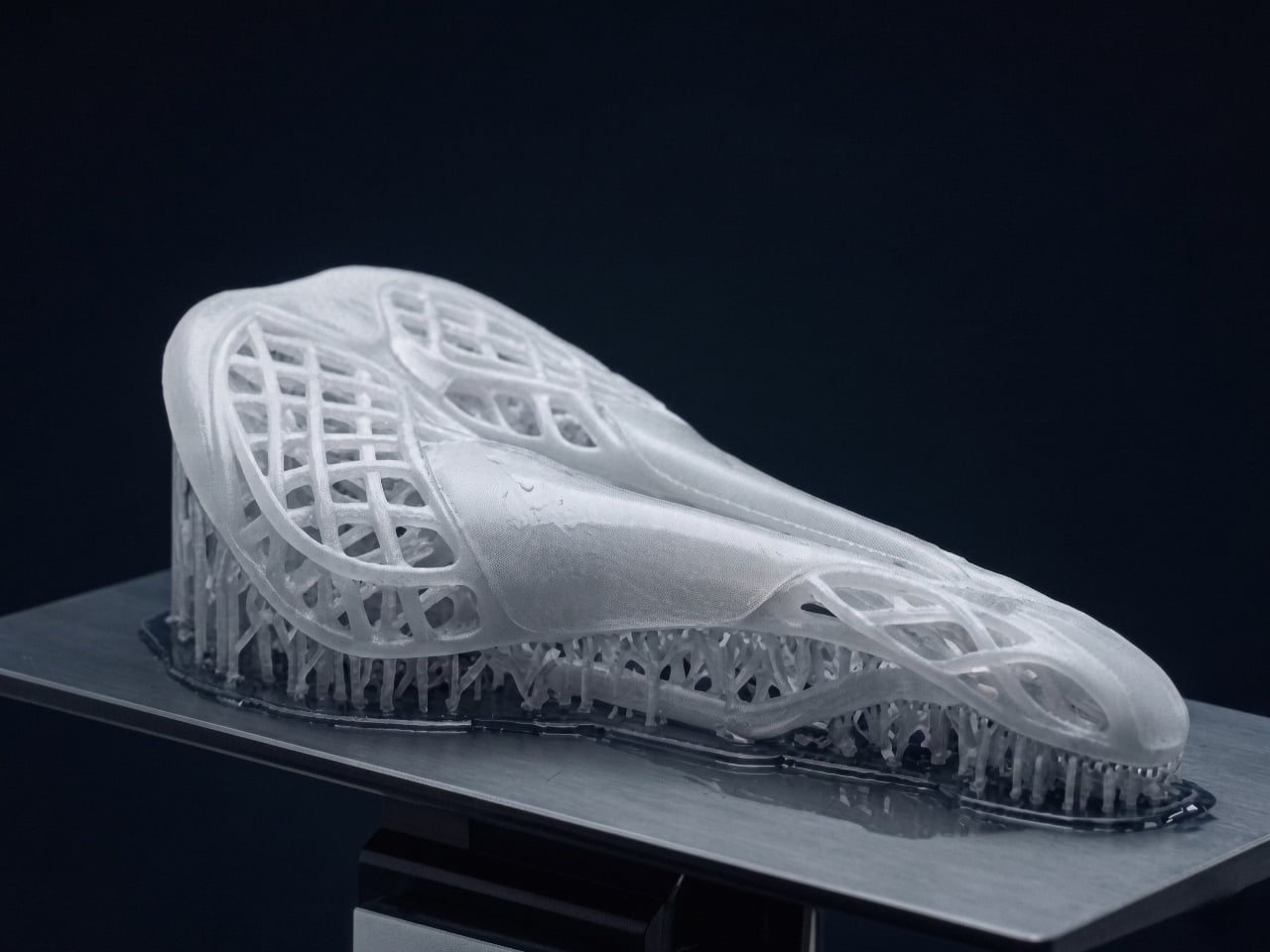
This is the part I keep coming back to. The leather isn’t a finish. It isn’t branding. It is the second structural argument in the same conversation, and the conversation started before any material was touched. That level of intentionality is genuinely unusual, even among products that wear the word “craft” proudly on their labels.
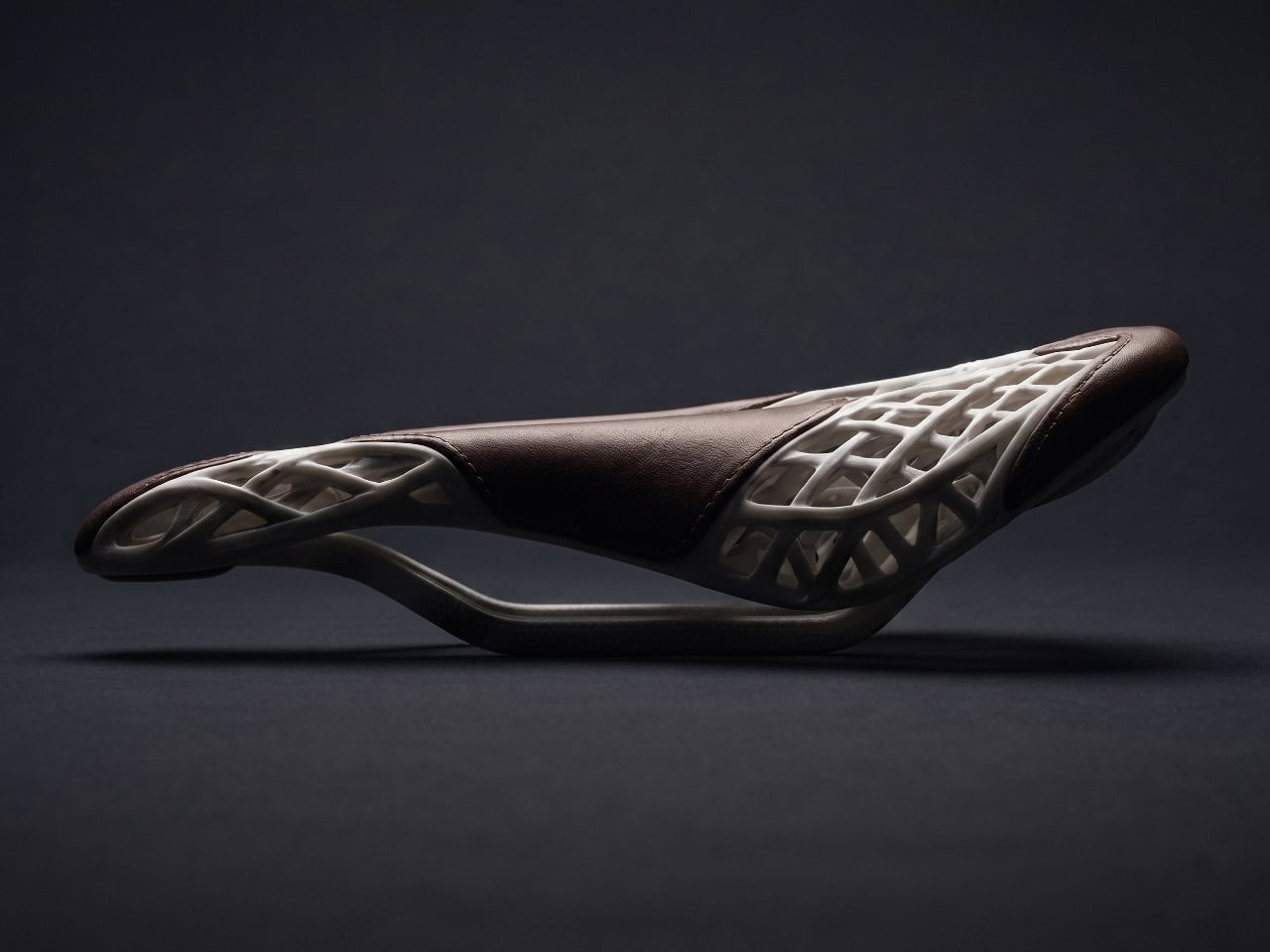
Mahdi Naïm himself is worth knowing, if you don’t already. He is an industrial designer, a Grand Maître Artisan, and a German Design Award laureate who runs his studio between Lyon and Casablanca. His practice sits at the intersection of French engineering and Moroccan craftsmanship, and AERIS reads like a project that could only come from someone fluent in both languages. The saddle doesn’t feel like a technology demonstration with craft applied on top, or a heritage object with a 3D-printed frame underneath. It feels like one object, made by two disciplines that had to agree on every decision before anything was built.
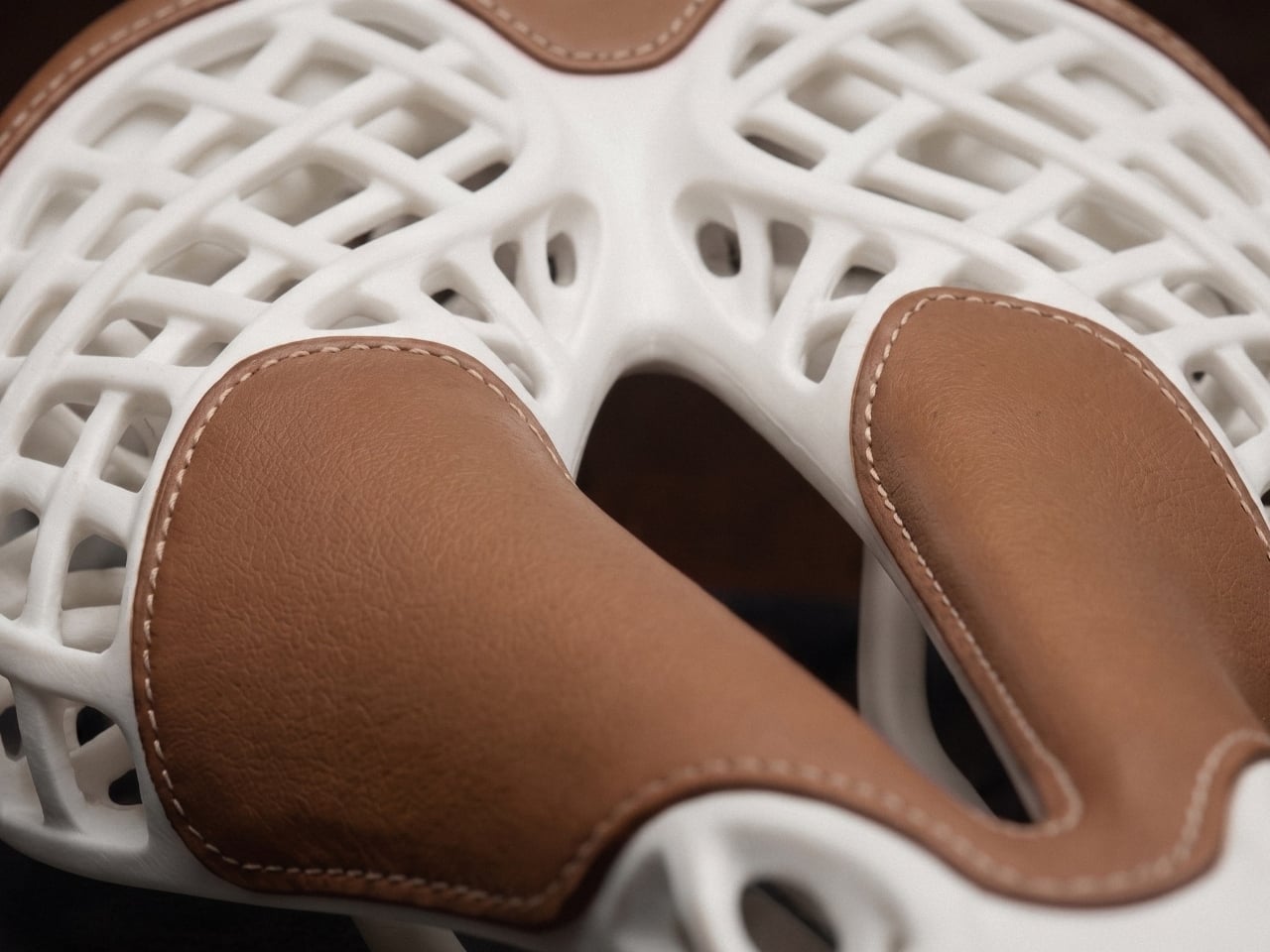
AERIS is still in active development and moving toward small-series production. The studio is in conversation with industrial partners in additive manufacturing and premium cycling. That means this isn’t a concept in the gallery-piece sense, displayed under glass and admired from a distance. It is a product that intends to be ridden.
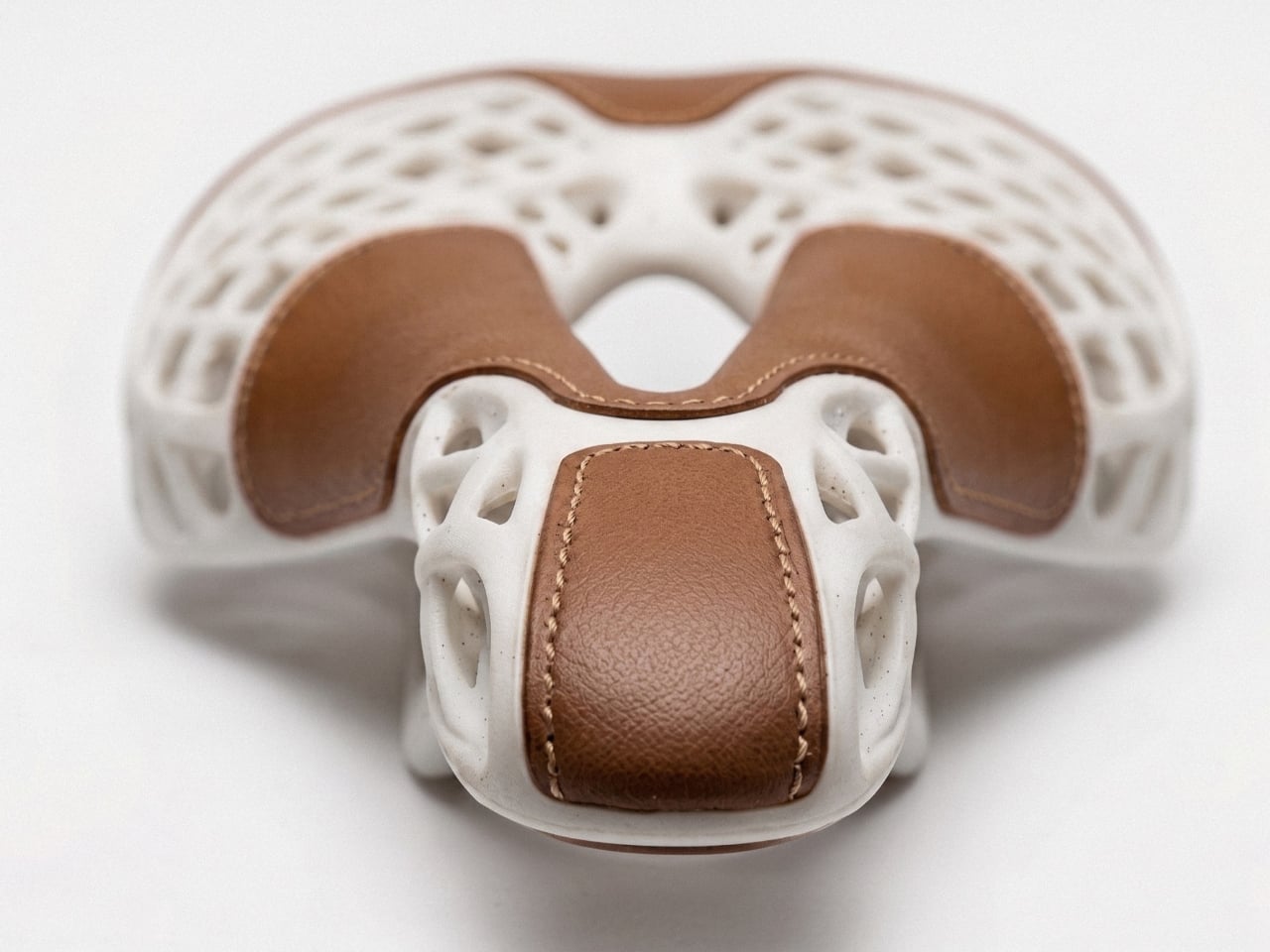
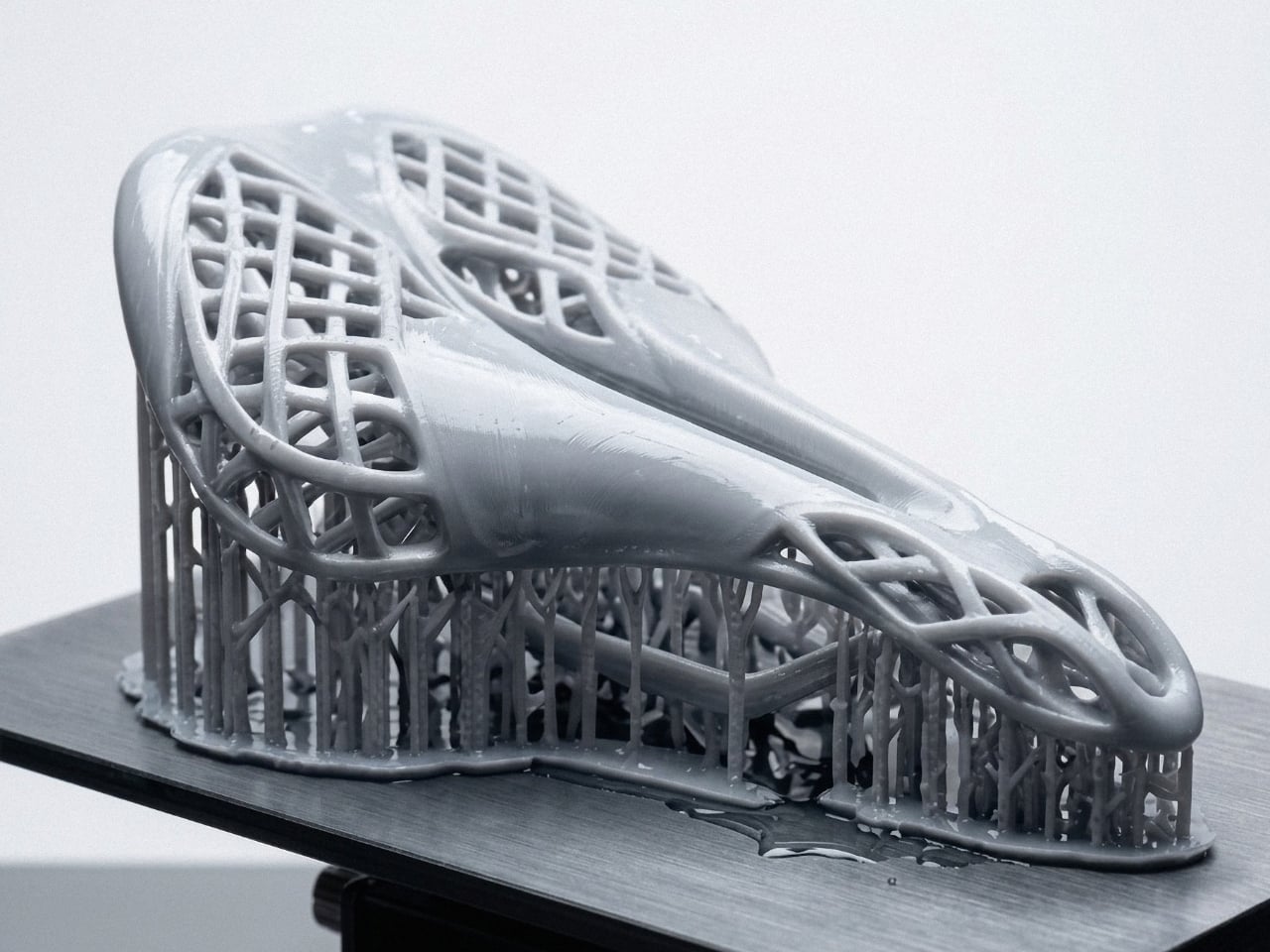
Whether you cycle or not, whether you follow product design closely or just occasionally land on something that makes you stop scrolling, AERIS is the kind of object that rewards a second look. Not because it is visually striking, though it is, but because the thinking behind it is genuinely coherent. The lattice, the leather, the hand-stitching, the parametric modelling: none of it is decoration. All of it is argument. That is harder to pull off than it looks, and considerably rarer than the design world likes to admit.
The post The Bike Saddle 3D-Printed and Hand-Stitched in France first appeared on Yanko Design.
from Yanko Design



0 Comments