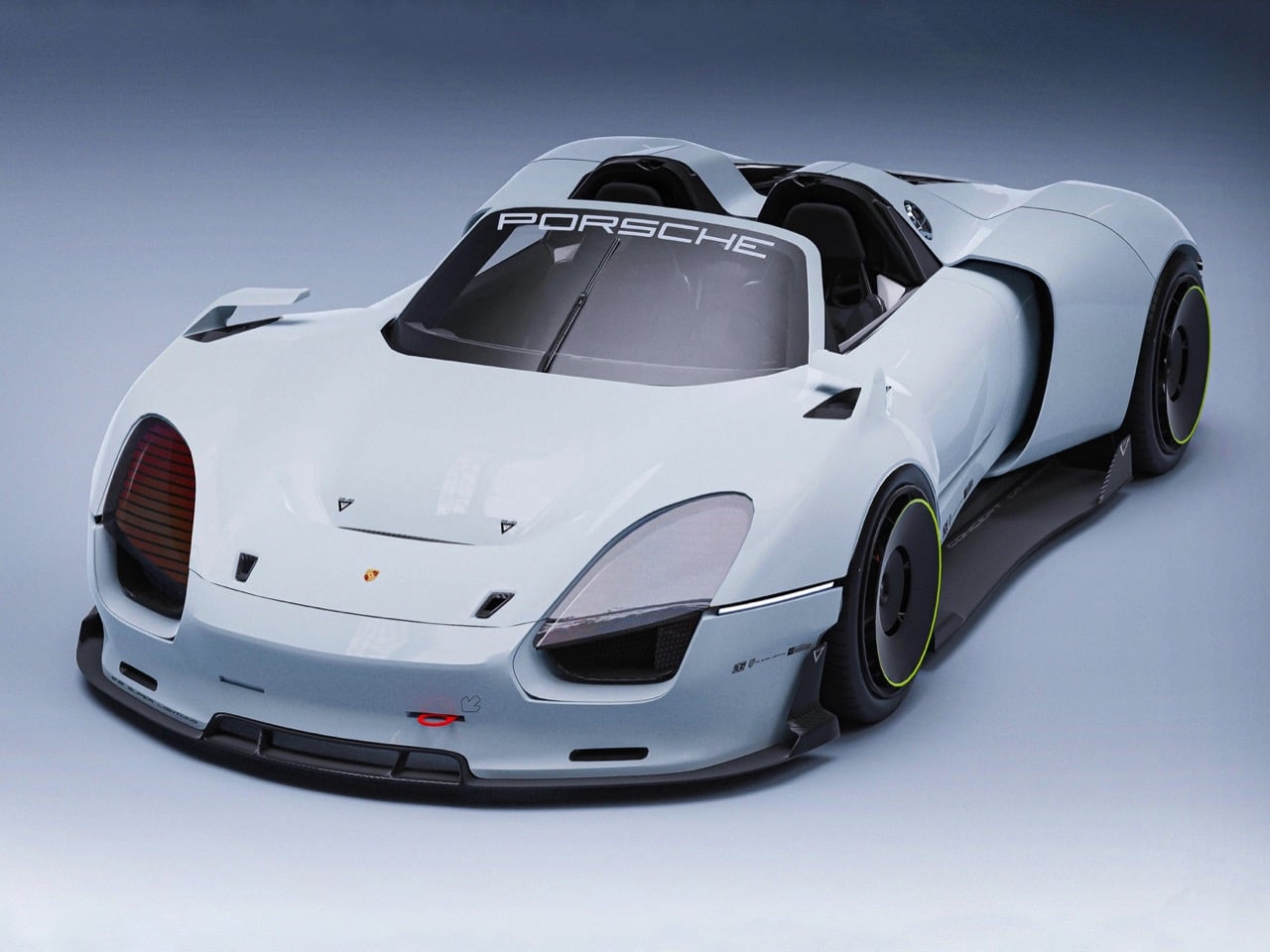
Porsche retired the 918 Spyder nameplate in 2015 after producing exactly 918 examples of their hybrid hypercar flagship, a vehicle that proved electric motors could enhance rather than dilute the driving experience at the absolute top of the performance spectrum. The car’s legacy persists in how thoroughly it shifted the conversation around electrification in high-performance vehicles, making battery packs and regenerative braking legitimate tools for lap time destruction rather than merely fuel economy optimization. Since then, Porsche’s halo vehicle strategy has fragmented across the electric Taycan range and increasingly extreme 911 GT variants, but nothing has directly replaced the 918’s specific combination of hybrid technology and hypercar theater. Independent designer Franklin decided that gap needed filling.
His Next 918 concept, rendered in meticulous detail and shared on Behance, reimagines what a modern Porsche hypercar could look like if the company stopped playing nice and went full gladiator mode against the current generation of track-focused exotics. Where the original 918 balanced supercar aggression with enough civility for real-world usability, Franklin’s interpretation commits entirely to the hypercar brief with a fixed-roof fastback body, massive wheel arches, and surfacing complexity that would require Porsche’s designers to abandon their typical restraint. The renders communicate serious 3D modeling craft, the kind of surface definition and lighting work that separates thoughtful design exploration from quick Photoshop fantasies. This concept asks whether Porsche’s next flagship should evolve the 918’s hybrid philosophy or just embrace pure, uncompromising speed.
Designer: Franklin 郭
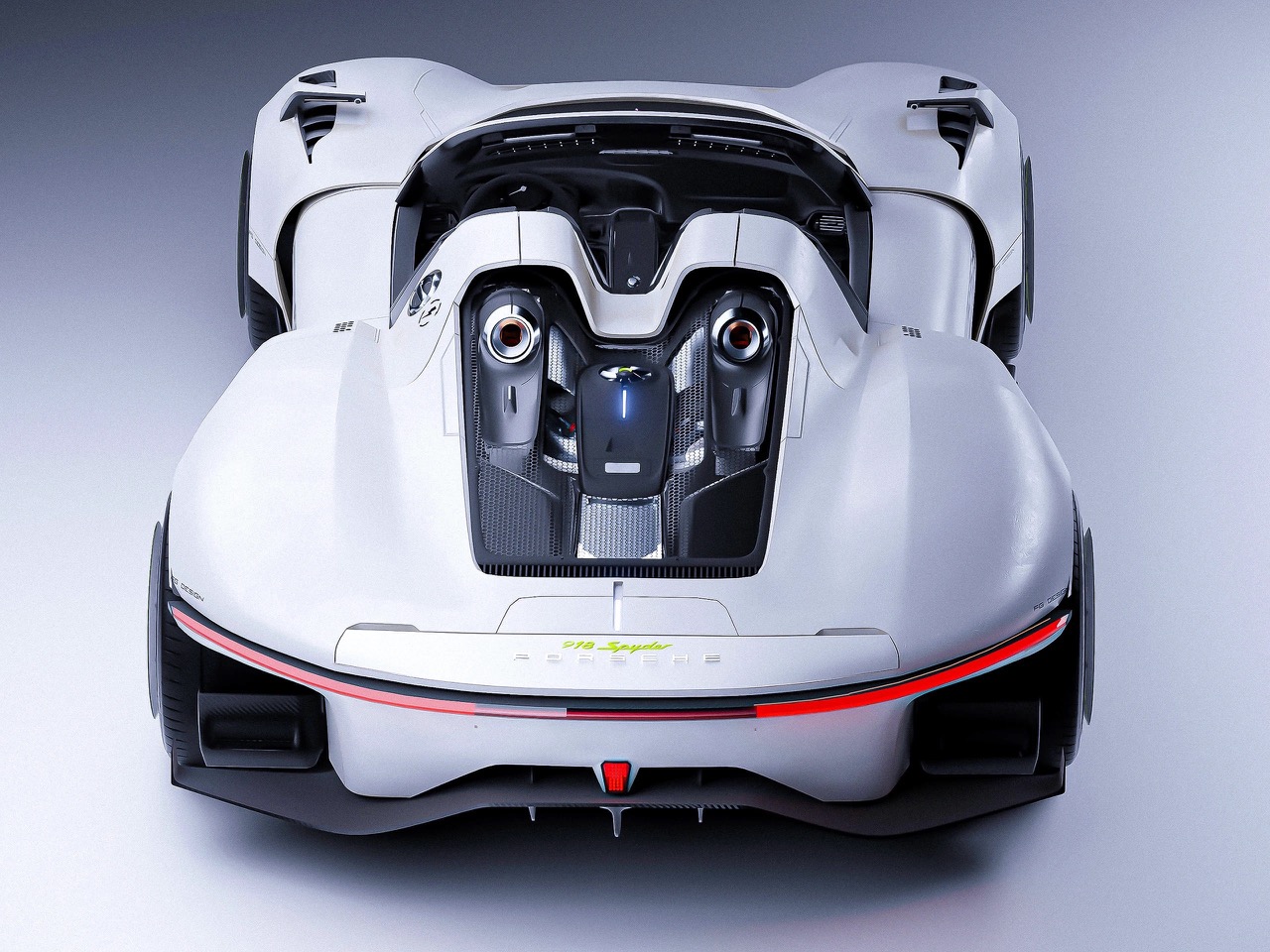
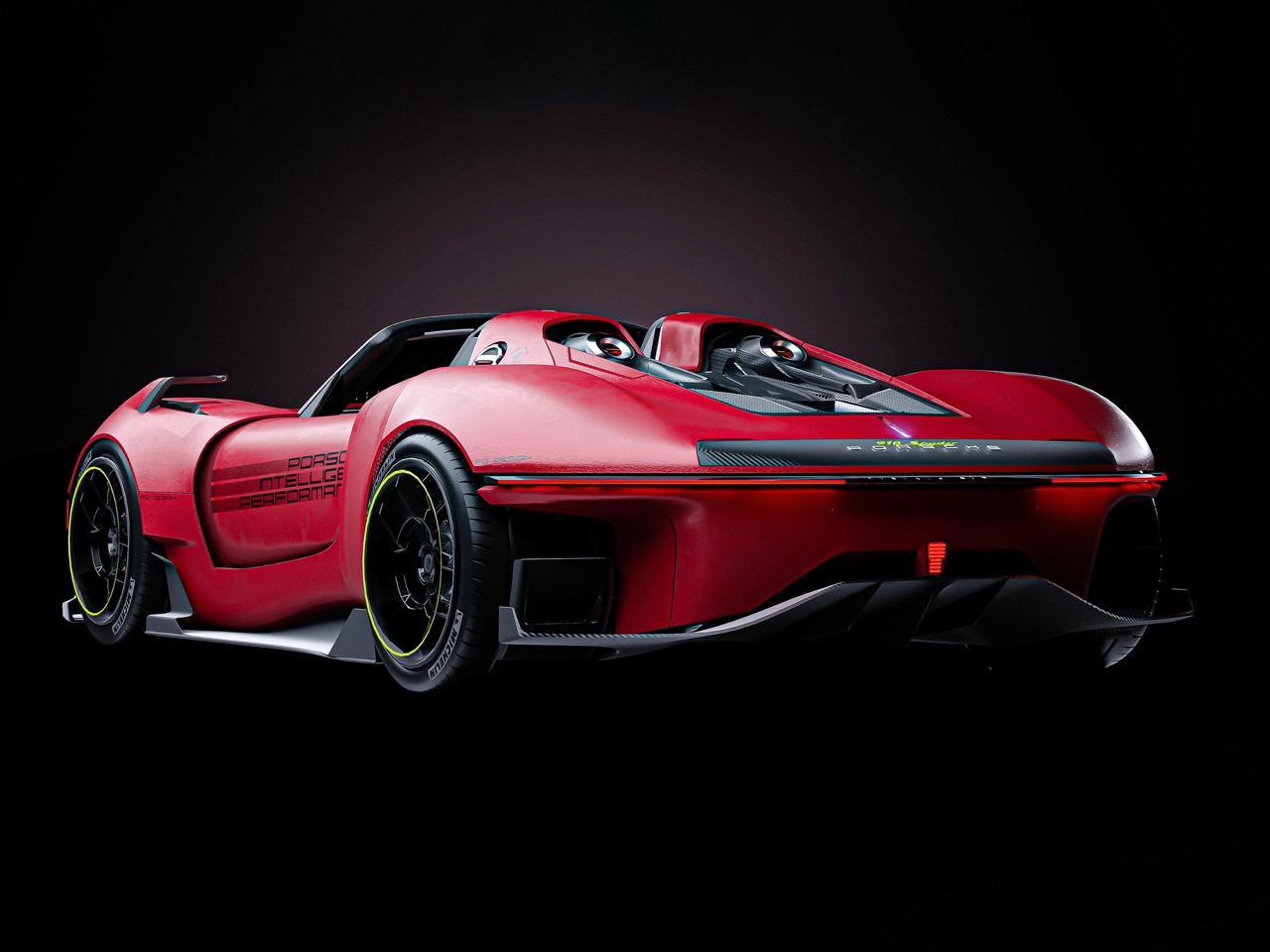
The most dramatic departure from the original 918 is the roofline, which Franklin has transformed from a removable targa configuration into a fixed fastback canopy that accelerates rearward with genuine aerodynamic intent. The greenhouse wraps around the cockpit in one continuous sweep of glass, providing massive visibility while compressing the rear deck into a truncated Kamm-tail form that would generate serious downforce at speed. This design choice alone signals a philosophical shift, the original 918 let you pull the roof panels and enjoy open-air motoring on a coastal highway, but Franklin’s version looks like it would protest anything slower than a flat-out Autobahn run. The fastback terminates in an integrated spoiler element that bridges seamlessly into the tail, below which sits a full-width light bar with layered elements that give it architectural depth rather than the thin LED strip Porsche has been using lately. The diffuser treatment underneath is pure carbon fiber aggression, a multi-element structure with vertical fins that would channel underbody airflow with the kind of efficiency you’d expect from a car engineered to hunt lap records rather than pose in Monaco.
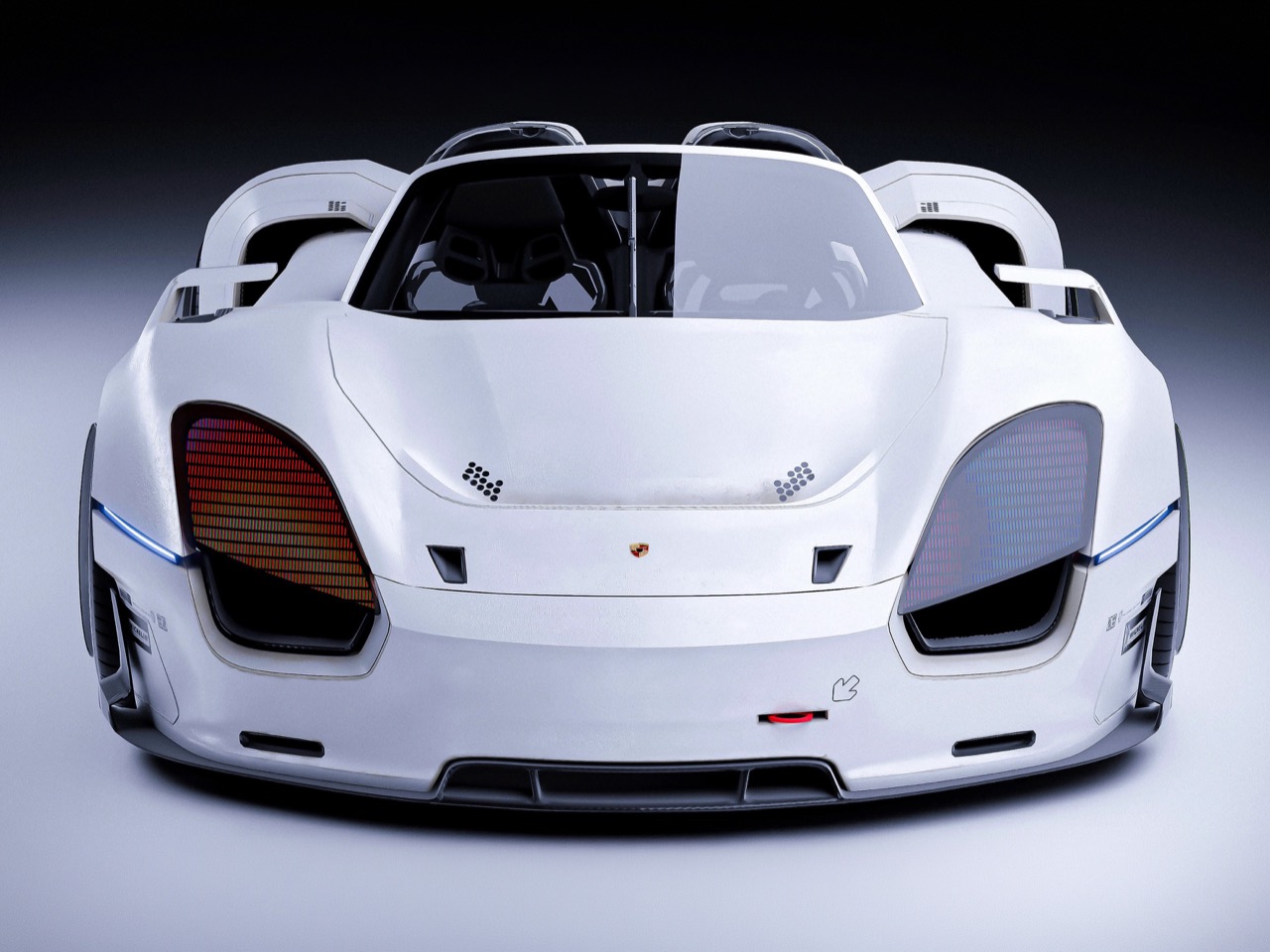
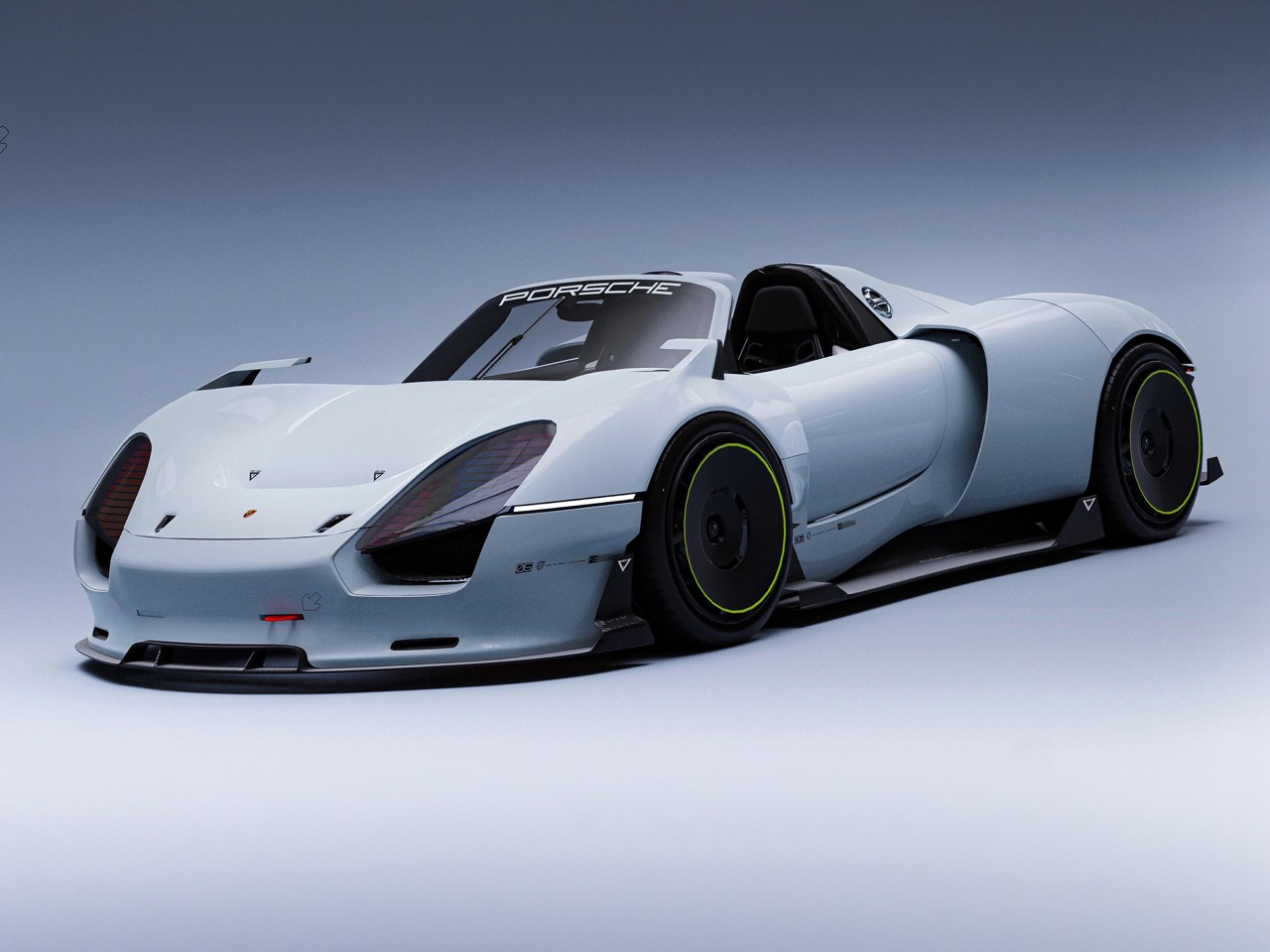
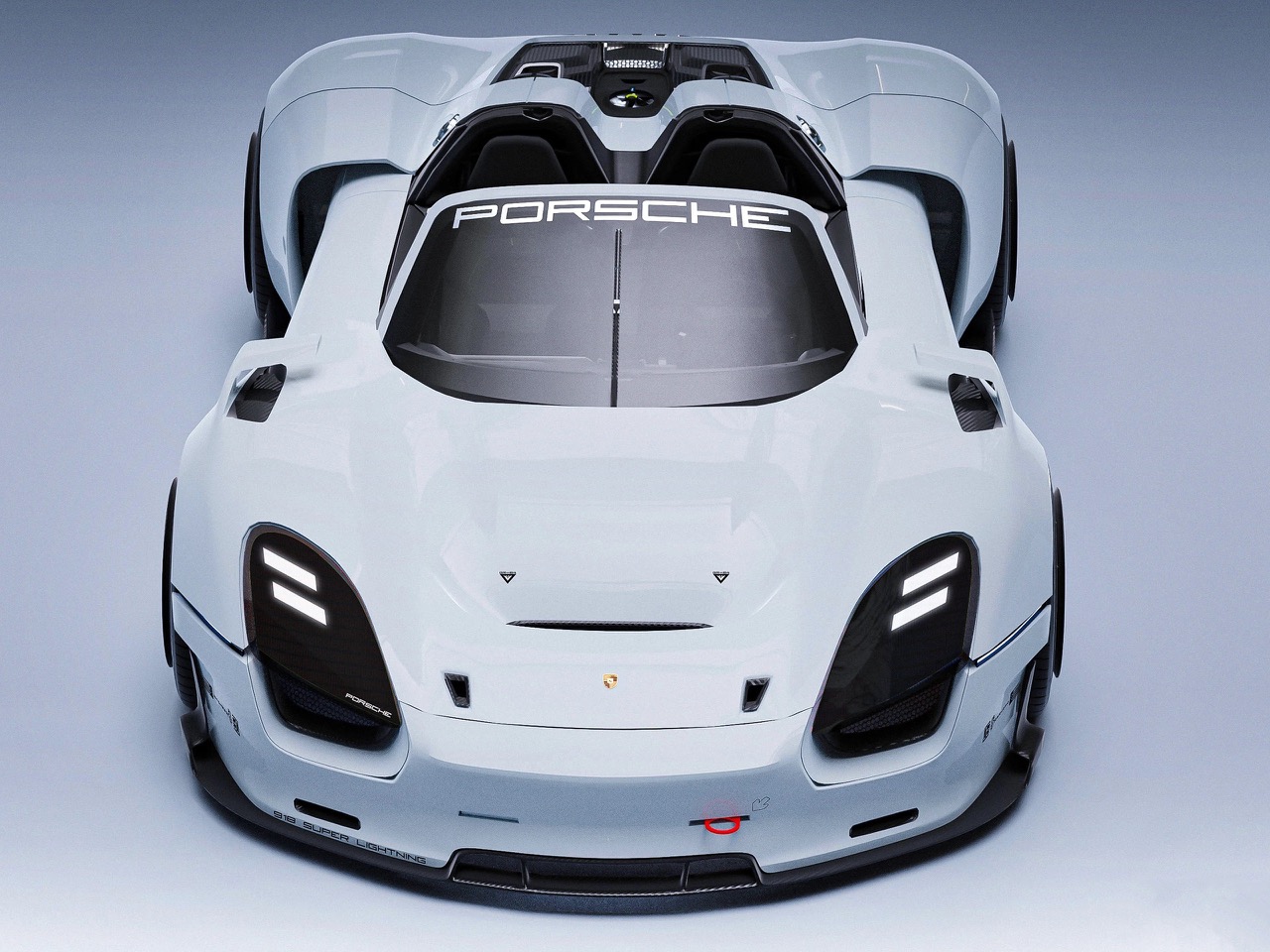
The front fascia borrows Porsche’s current four-point LED signature but expands it into something more architectural, with vertical DRL elements that aren’t just lighting theater but structural dividers segmenting the nose into distinct functional zones. The hood is long and domed slightly at the center, completely free of vents or scoops, a deliberate choice that keeps visual weight low and the proportions classic mid-engine GT. Franklin’s surfacing work is where the concept demonstrates genuine design maturity, the body isn’t cluttered with unnecessary creases or vents, instead relying on a single character line that runs from the front wheel arch through the door shut line and terminates at the rear fender. The wheel arches themselves are sculptural events, three-dimensional forms that bulge outward from the body with sharp, almost origami-like edge treatments where the bodywork folds inward to meet the wheel openings. This creates tension across the entire surface, preventing the forms from reading as soft or generic. The stance is weaponized, no lift, no ride height concession to real-world usability, just a car sitting exactly where it would need to be for maximum aerodynamic performance.
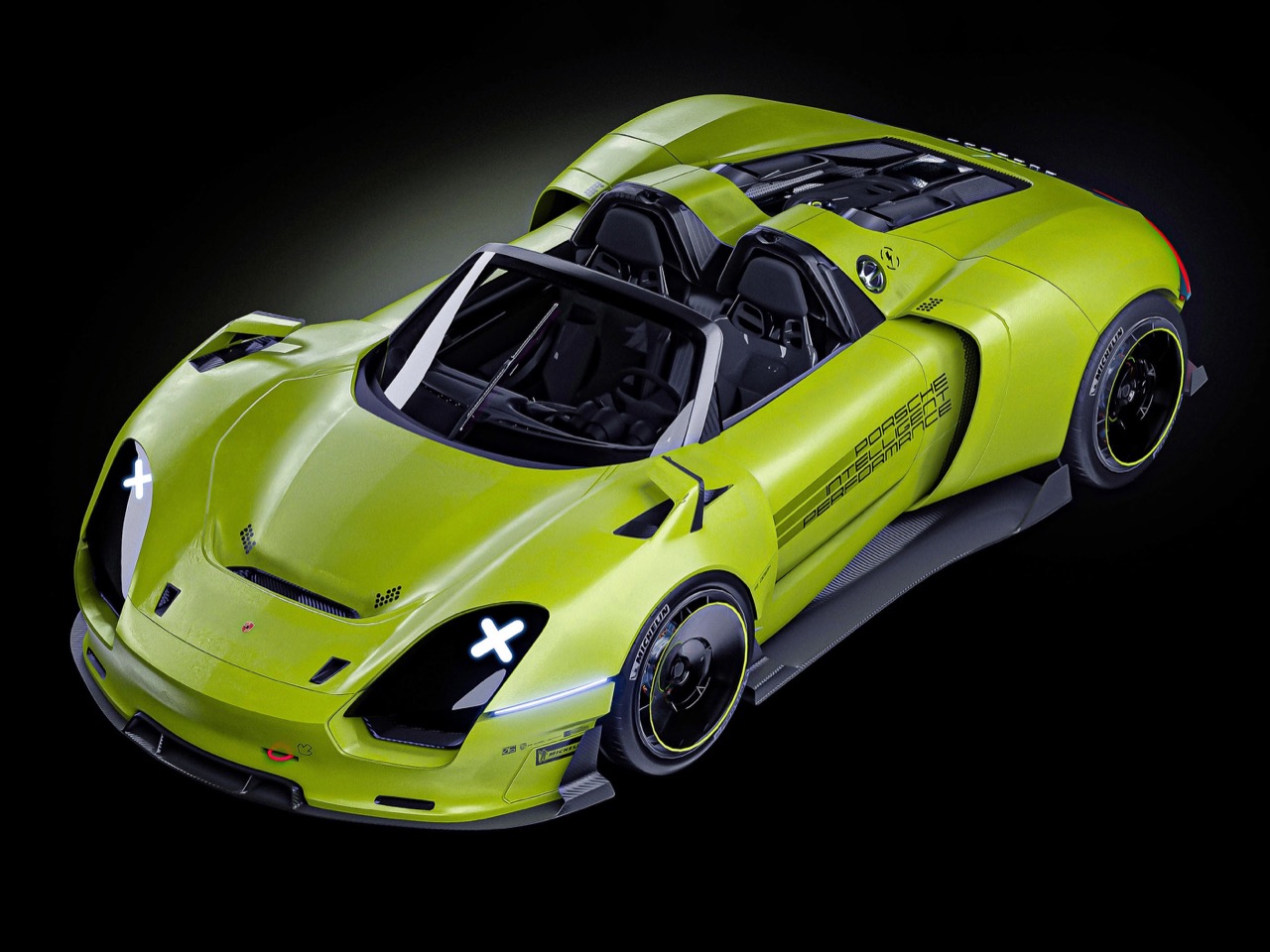
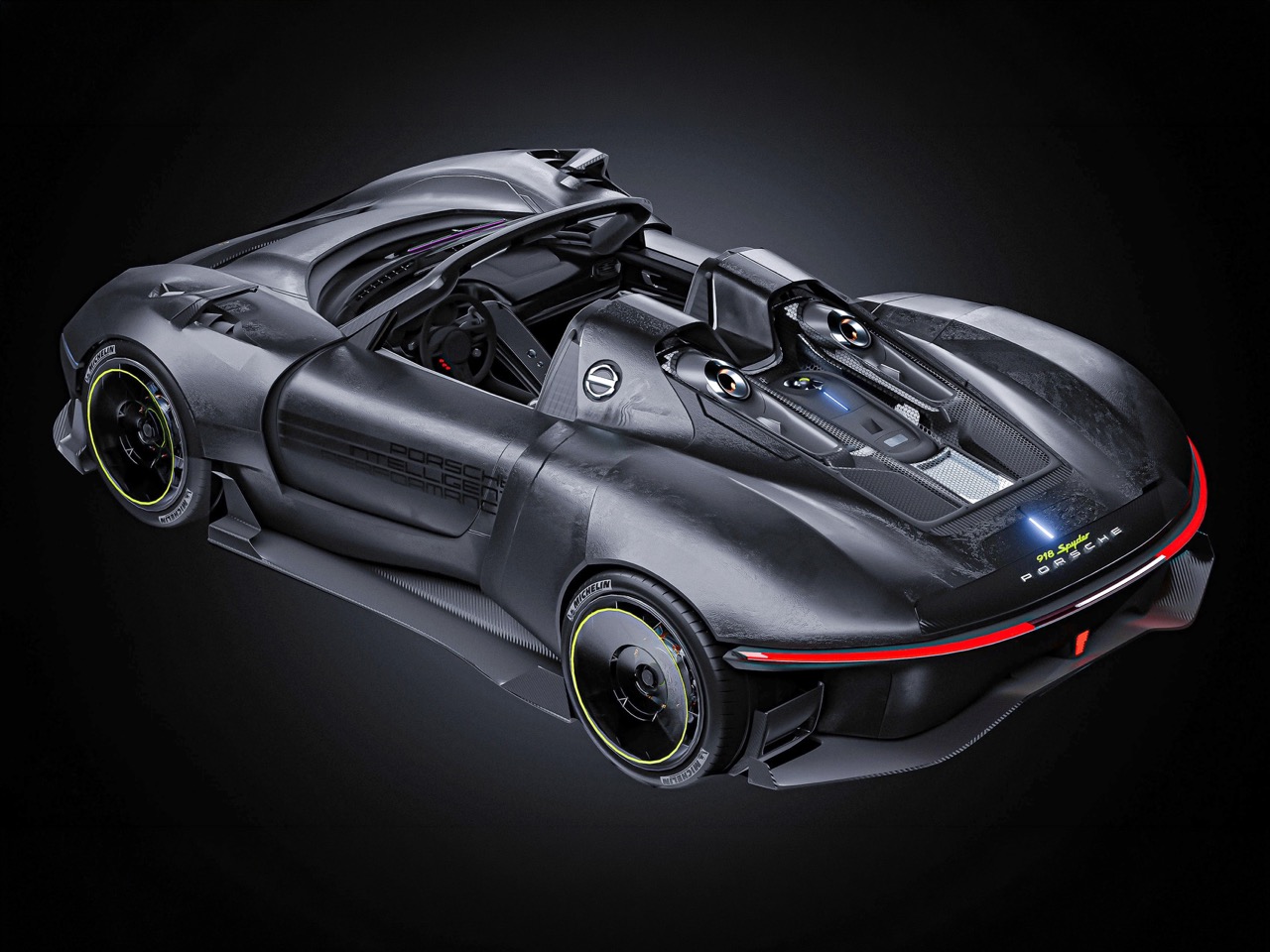
What makes this concept compelling beyond its visual aggression is how it forces the question of what a modern 918 successor should actually be. The original car’s hybrid powertrain made sense in 2013 when proving electrification could work at the hypercar level was still a radical statement, but the landscape has shifted dramatically. Rimac, Pininfarina, Lotus, and even Gordon Murray have all built hybrid or fully electric hypercars that make the 918’s 887 horsepower look almost quaint. If Porsche were to build a Next 918 today, would they chase four-figure horsepower with a tri-motor electric setup, or would they lean into what makes Porsche fundamentally different and build something around a screaming naturally aspirated flat-six paired with electric torque fill? Franklin’s concept doesn’t answer that question because it can’t, the design language works equally well wrapped around either powertrain philosophy. What it does communicate clearly is that the next 918, if it ever exists, would need to compete directly with the Valkyrie, the Senna, the AMG One, machines that have raised the hypercar performance ceiling so high that the original 918’s 6:57 Nürburgring time now sits outside the top ten fastest production car laps. The visual aggression Franklin’s baked into this concept acknowledges that reality.
The post This Porsche 918 Successor Concept Looks More Aggressive Than Anything Stuttgart Would Actually Build first appeared on Yanko Design.
from Yanko Design



0 Comments