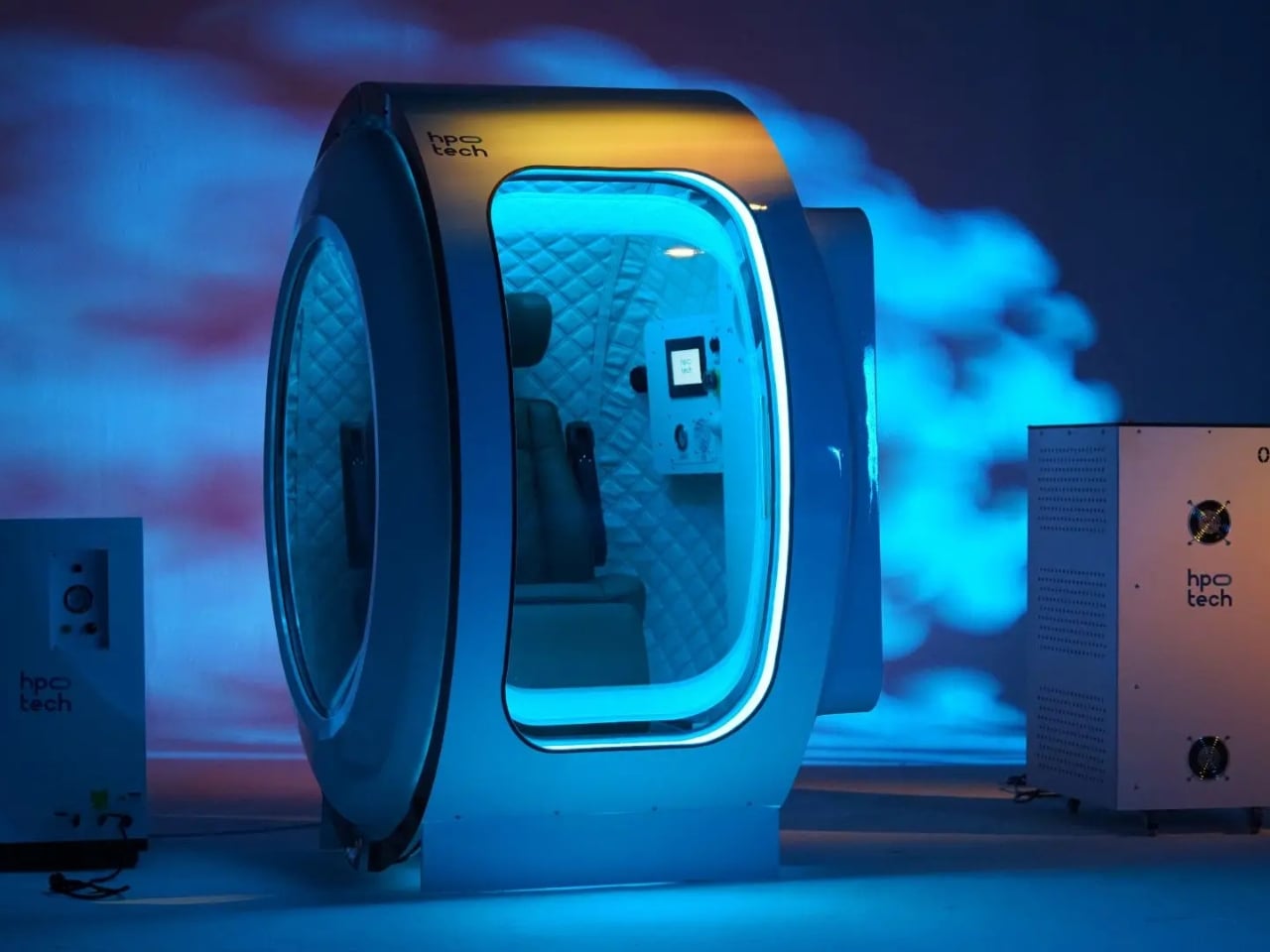
Most medical devices look the way they do because nobody thought to question it. Functionality became the default justification for every cold edge, every sterile tube, every claustrophobic chamber that makes people anxious before a single session begins. HPO TECH, a Turkish engineering company with a philosophy that’s equal parts clinical and aesthetic, looked at the hyperbaric oxygen chamber and decided the whole category needed a rethink.
The result is Zeugma, a monoplace hyperbaric oxygen therapy (HBOT) chamber that, frankly, looks like it belongs on a luxury wellness campus rather than in a hospital corridor. It operates at 2.0 to 2.4 ATA pressure, delivers medical-grade oxygen through a BIBS (Built-In Breathing System) mask regulated by the rhythm of your own breath, and features an air cooler for temperature stability during sessions. All very technical, all very necessary. But what makes it worth talking about is that it was designed to feel like stepping into a space capsule.
Designer: HPO TECH
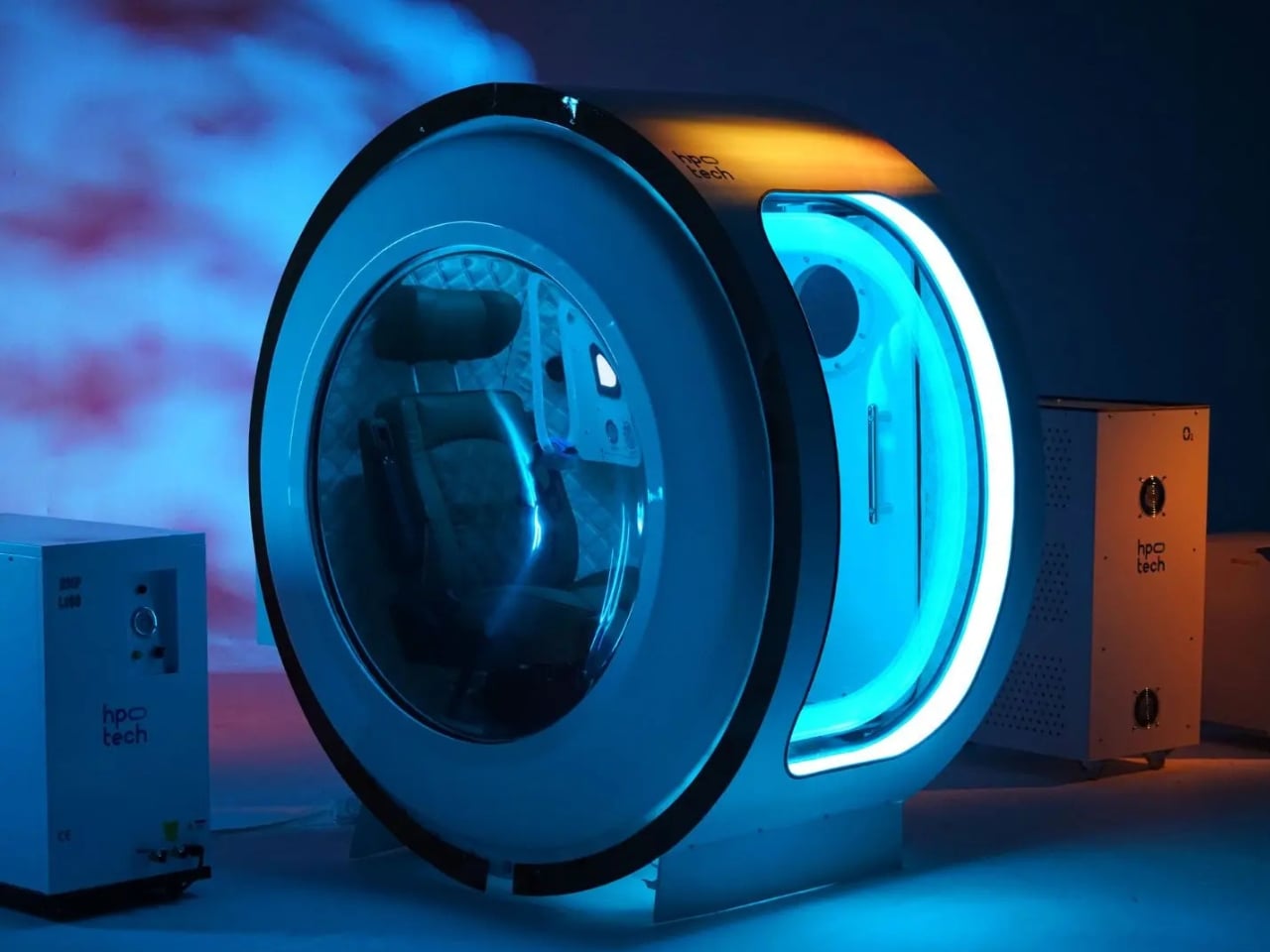
That comparison comes directly from the people using it. Tolga Kabak, CTO and co-founder of HPO TECH, has noted that most first-time users describe the experience as feeling like they’re inside something from a sci-fi film rather than a medical facility. That isn’t an accident. The entire chamber was built around the idea that how a patient feels during treatment is just as important as the treatment itself.
Hyperbaric oxygen therapy, for those less familiar, involves breathing concentrated oxygen at higher-than-normal atmospheric pressure. It has been used clinically for decades in wound healing, decompression sickness, and tissue recovery, but it has recently migrated into the wellness and performance space in a significant way. Biohackers, elite athletes, and longevity obsessives have adopted it as part of broader optimization routines. Bryan Johnson, the tech entrepreneur famous for spending millions trying to slow his biological aging, conducted a closely monitored 60-session HBOT experiment using the Zeugma, tracking biomarkers from telomere length to brain function and inflammation. That kind of high-profile attention has pushed HBOT into the cultural conversation, and with it comes a new audience that expects the experience to match the aspiration.
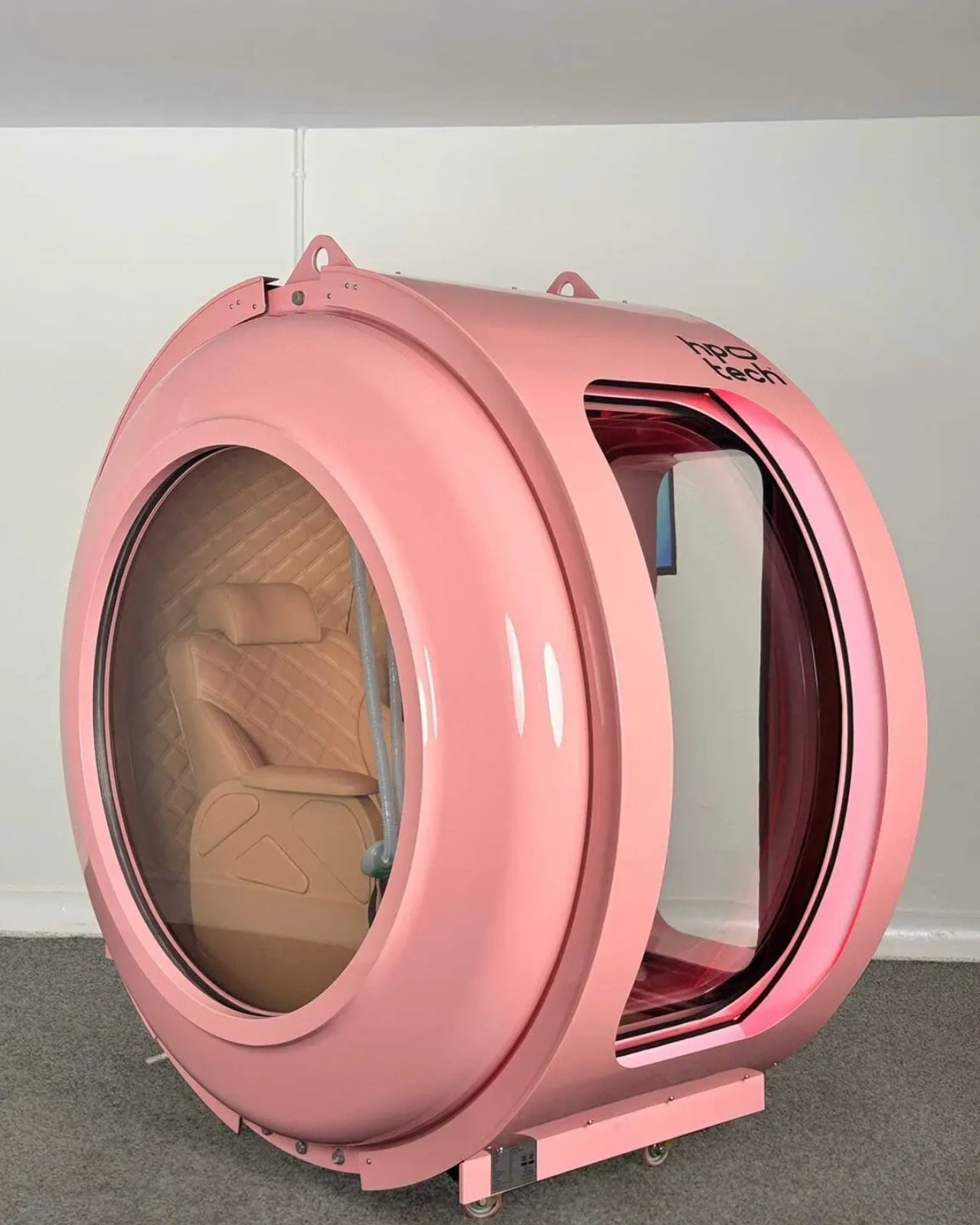
HPO TECH clearly understood this shift. The Zeugma’s most immediately striking feature is its panoramic observation windows, unusually large by industry standards. The clear acrylic panels are not decorative. Claustrophobia is one of the most documented barriers to consistent hyperbaric therapy, and the design addresses it by prioritizing openness over enclosure. You can see out. The outside world doesn’t disappear. The interior is softly lined with ergonomic seating and reclining configurations, and the whole system is managed through an external control panel that lets operators monitor and adjust pressure without disturbing the session. It’s a closed environment that doesn’t feel closed.
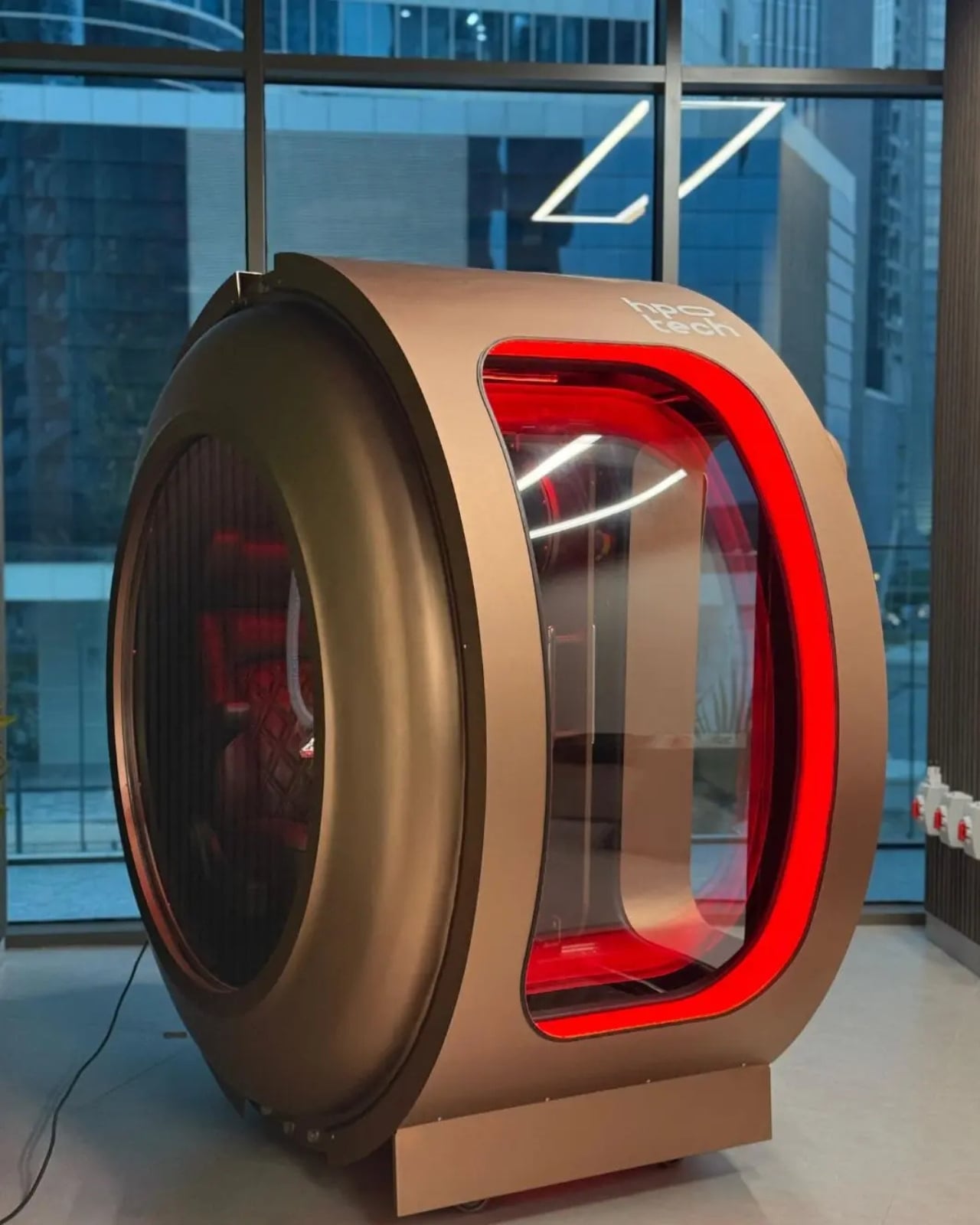
The company is based in Istanbul and operates at what it describes as the intersection of diving technology, aerospace-grade engineering, and clinical science. HPO TECH builds with military and medical-grade materials, holds international certifications, and counts hospitals, sports recovery centers, and professional athletic teams among its clients. The same chamber that sits in a clinical setting also ended up at the center of one of biohacking’s most-watched longevity experiments. That’s a fairly unusual range for a single piece of equipment, and it says a lot about how well the design travels across contexts.
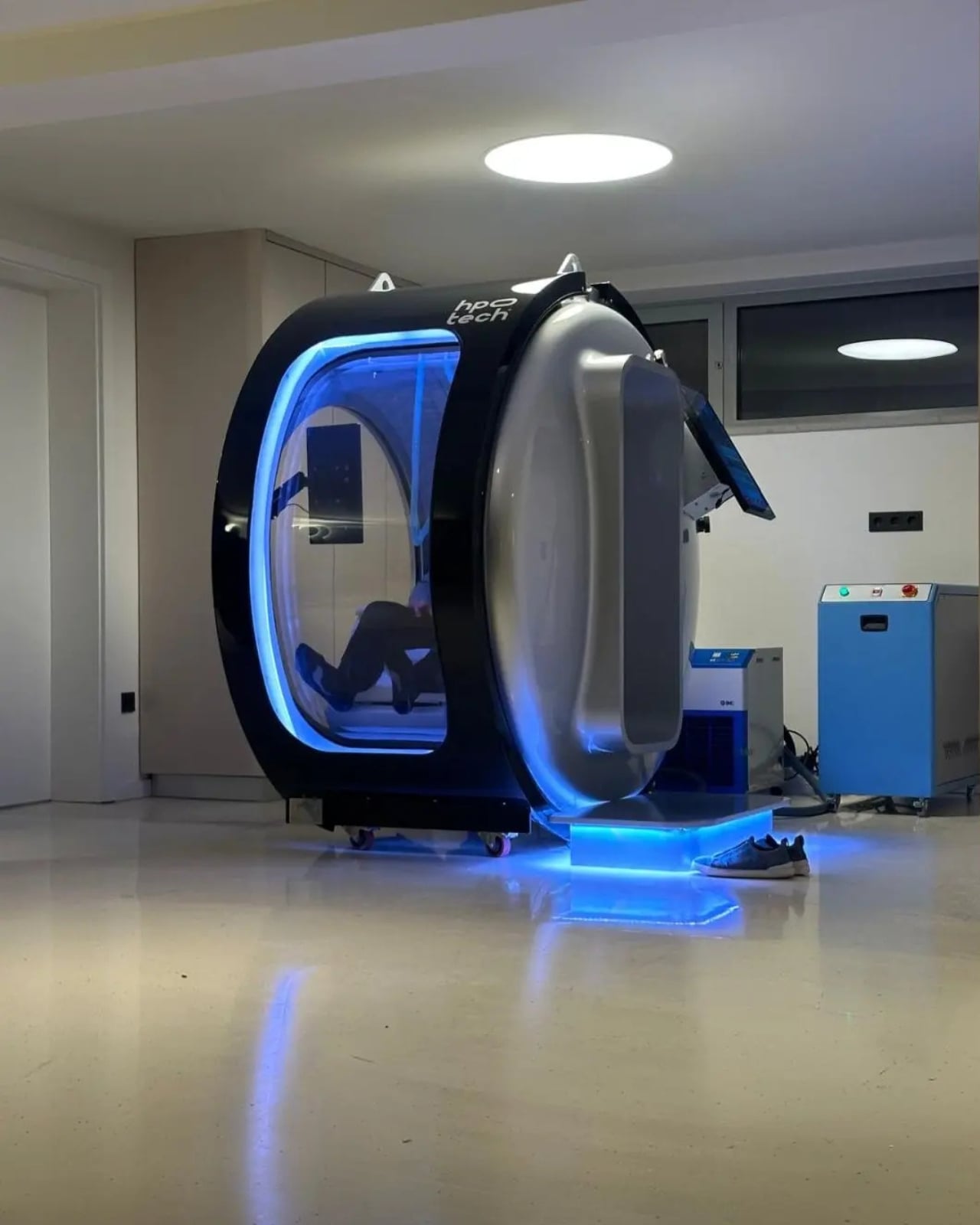
Earlier this year, HPO TECH introduced the Zeugma Panorama, a two-seat version that takes the visibility concept even further with six panoramic acrylic windows, including large side panels, a rear window, and a door window. It is genuinely striking. If the original Zeugma looks like a solo spacecraft, the Panorama looks like something you would find in a boutique hotel in 2045.
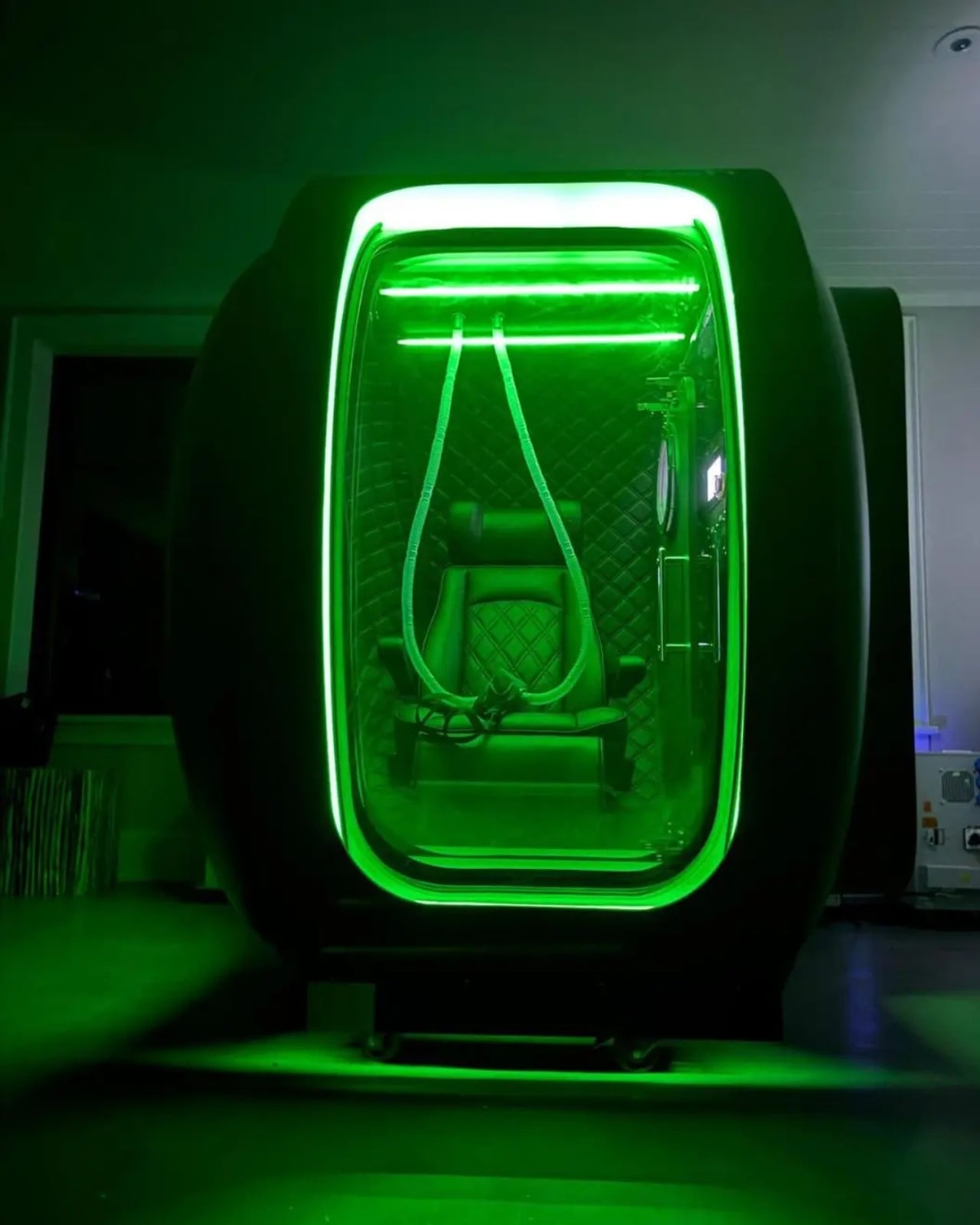
Whether HBOT becomes a mainstream wellness ritual or remains a specialized therapy, the Zeugma has already made its point. Medical design does not have to default to intimidation and sterility. People heal better when they feel comfortable, calm, and respected by the space around them. That is not a radical idea, but somehow it still feels like one whenever a designer actually commits to it.
The post Zeugma Finally Proved Medical Equipment Doesn’t Have to Be Ugly first appeared on Yanko Design.
from Yanko Design



0 Comments