For centuries, homes have been planned as practical machines, efficient, box-like structures built to shelter and protect. Straight lines, sharp corners, and predictable layouts defined comfort and order, where function quietly led and form followed.
Today, residential design is moving beyond rigid geometry and purely utilitarian thinking. Sculpted homes reimagine architecture as an intentional artistic gesture. Curved walls, fluid volumes, and organic transitions guide light, movement, and emotion.
Instead of simply occupying a structure, various factors can be taken into consideration to experience space as something immersive and expressive, where daily living unfolds within a carefully shaped work of art.
1. The Fluidity of Form
Sculpted architecture begins by dissolving the rigid grid that has long defined residential design. Instead of right angles and boxed rooms, you encounter soft transitions and continuous surfaces. Materials like poured concrete and advanced 3D-printed polymers allow architects to shape seamless curves that echo the movement of water or the contours of wind-carved dunes. Structure and surface merge into one fluid gesture.
This fluidity changes how you experience space. Rooms feel interconnected and not compartmentalized, and movement becomes intuitive. Curved forms reduce visual tension, creating a subtle psychological calm. The home feels less assembled and more naturally formed, as though it has grown into its surroundings.
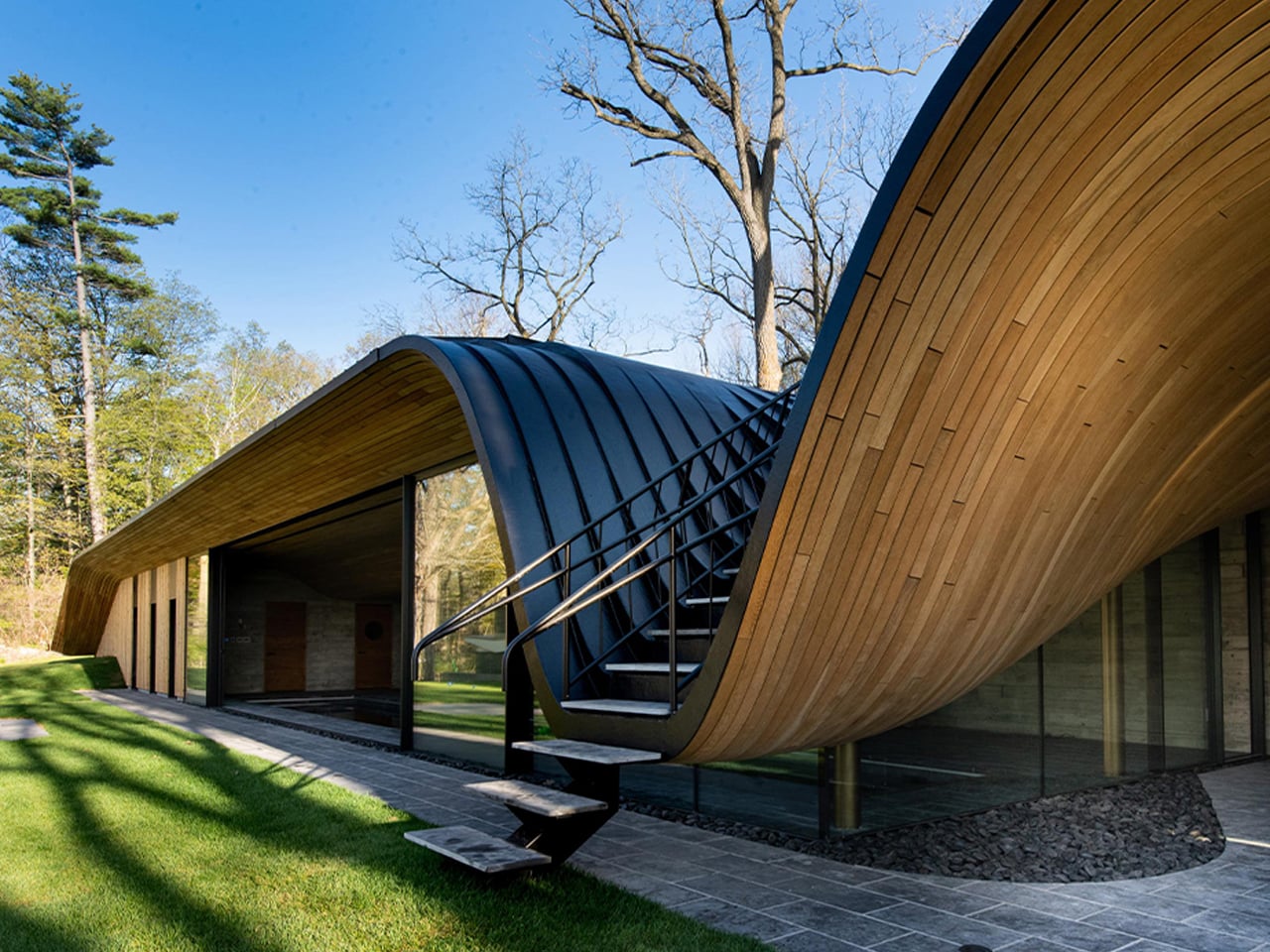
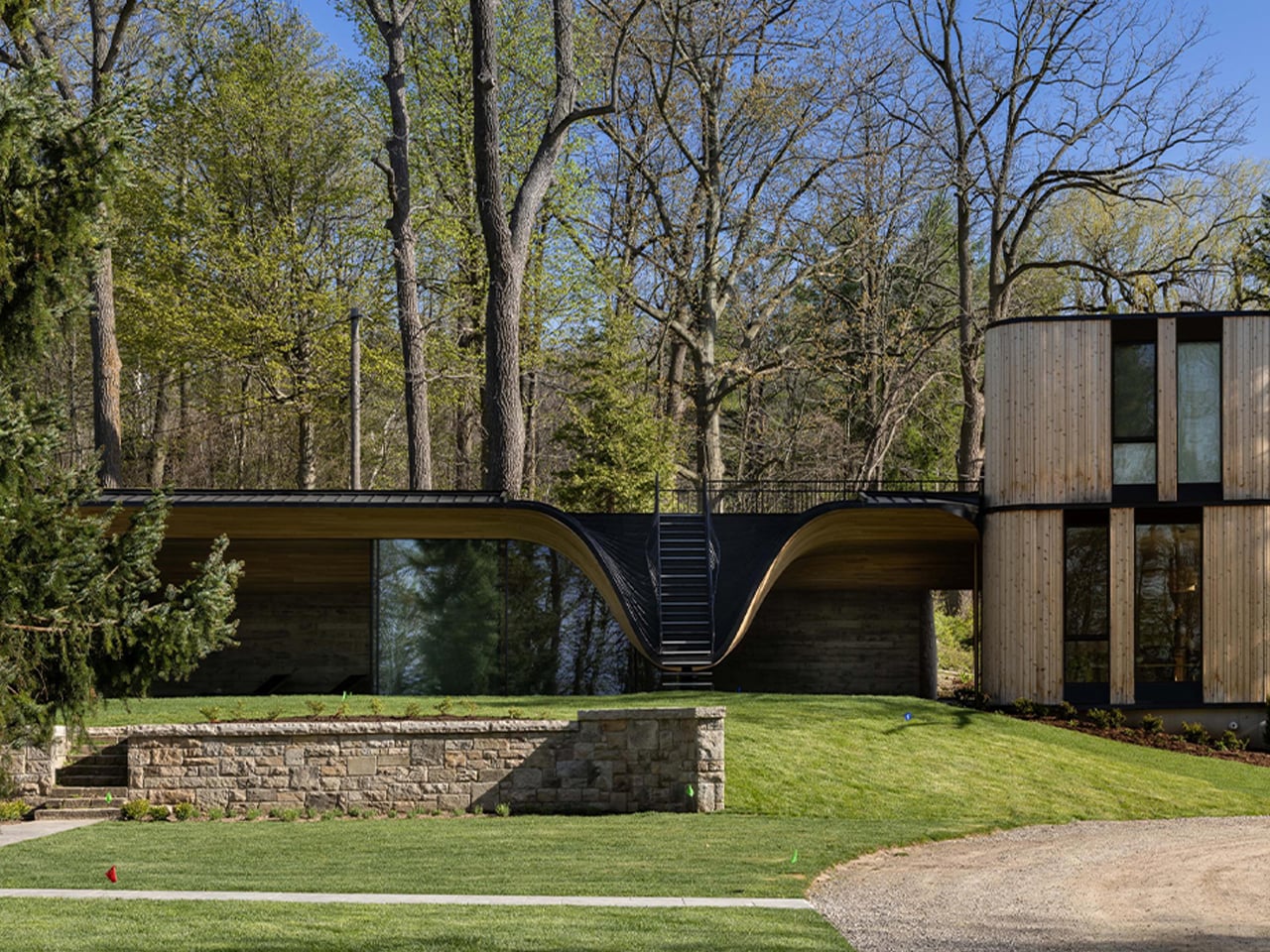
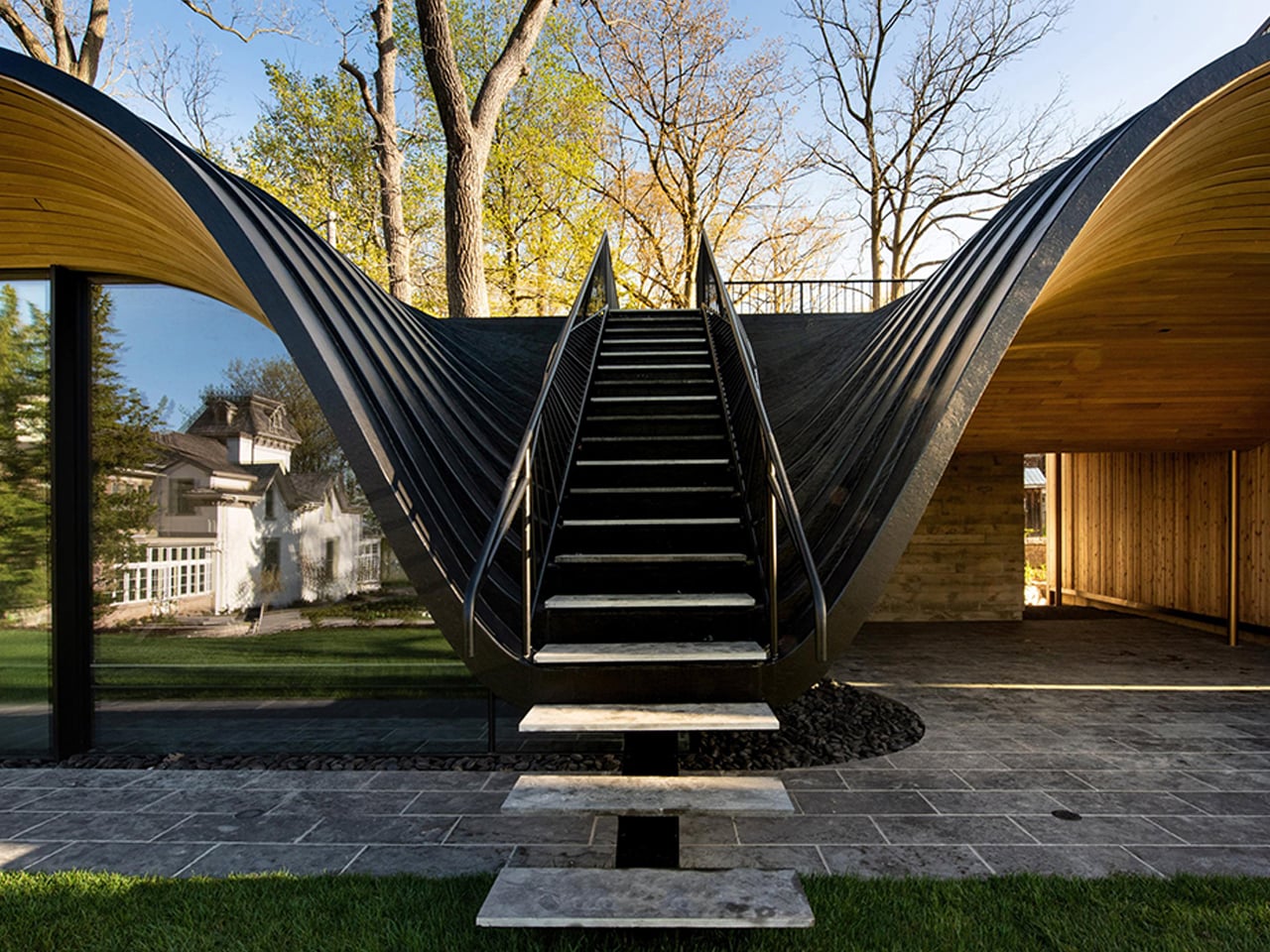
Rising from the ashes of a historic guesthouse lost to fire, Fold House by PARTISANS reimagines memory through movement and form. Set into a scenic hillside in Ontario, the two-storey residence appears to fold effortlessly into the land, echoing its natural contours. Sculpted in wood and steel, the structure flows around a central swimming pool, which is a reflective heart that poetically replaces loss with serenity. At the lower edge of the slope, a tranquil pool pavilion unfolds behind an expansive sliding glass façade, dissolving boundaries between interior and landscape.
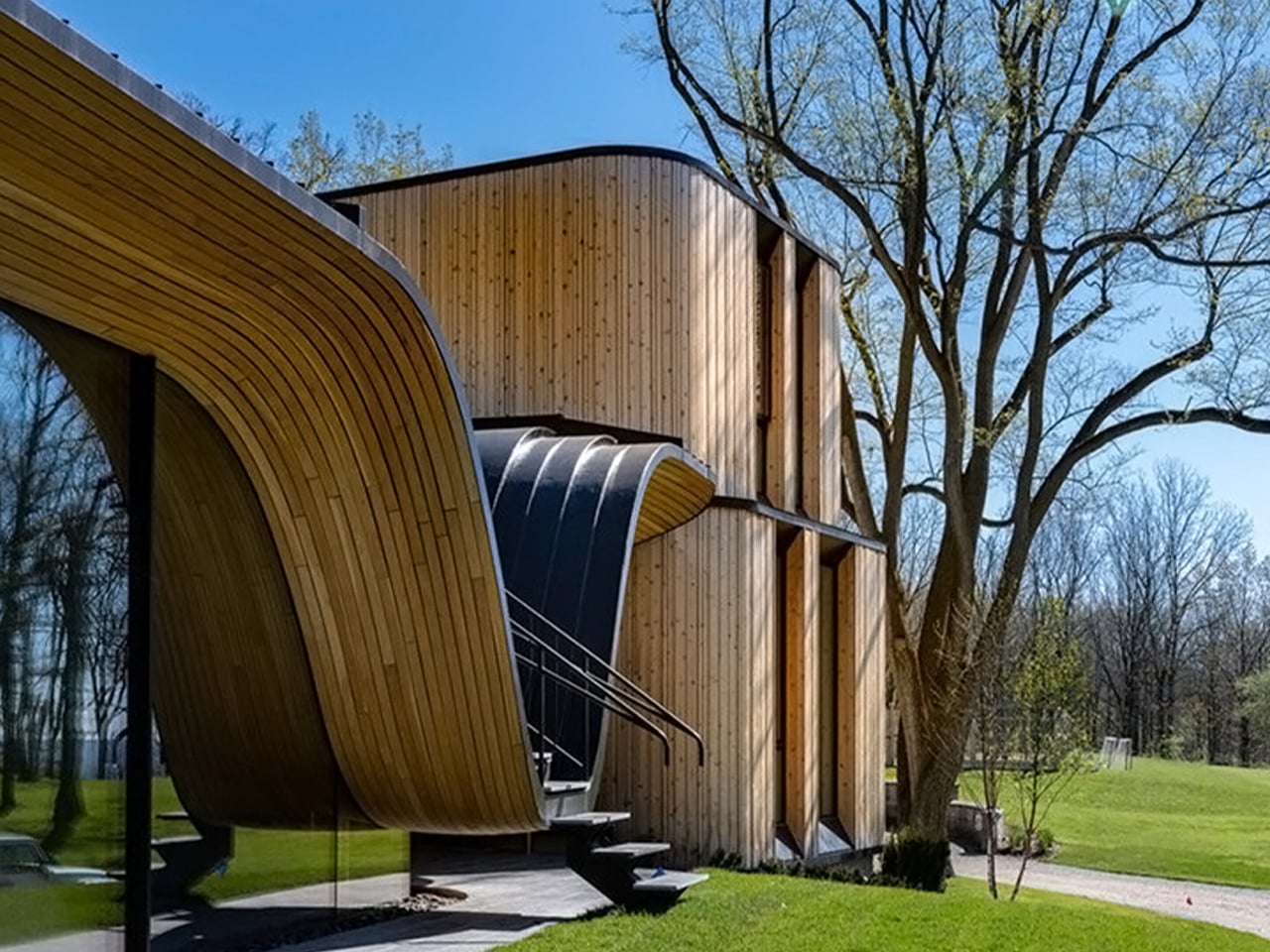
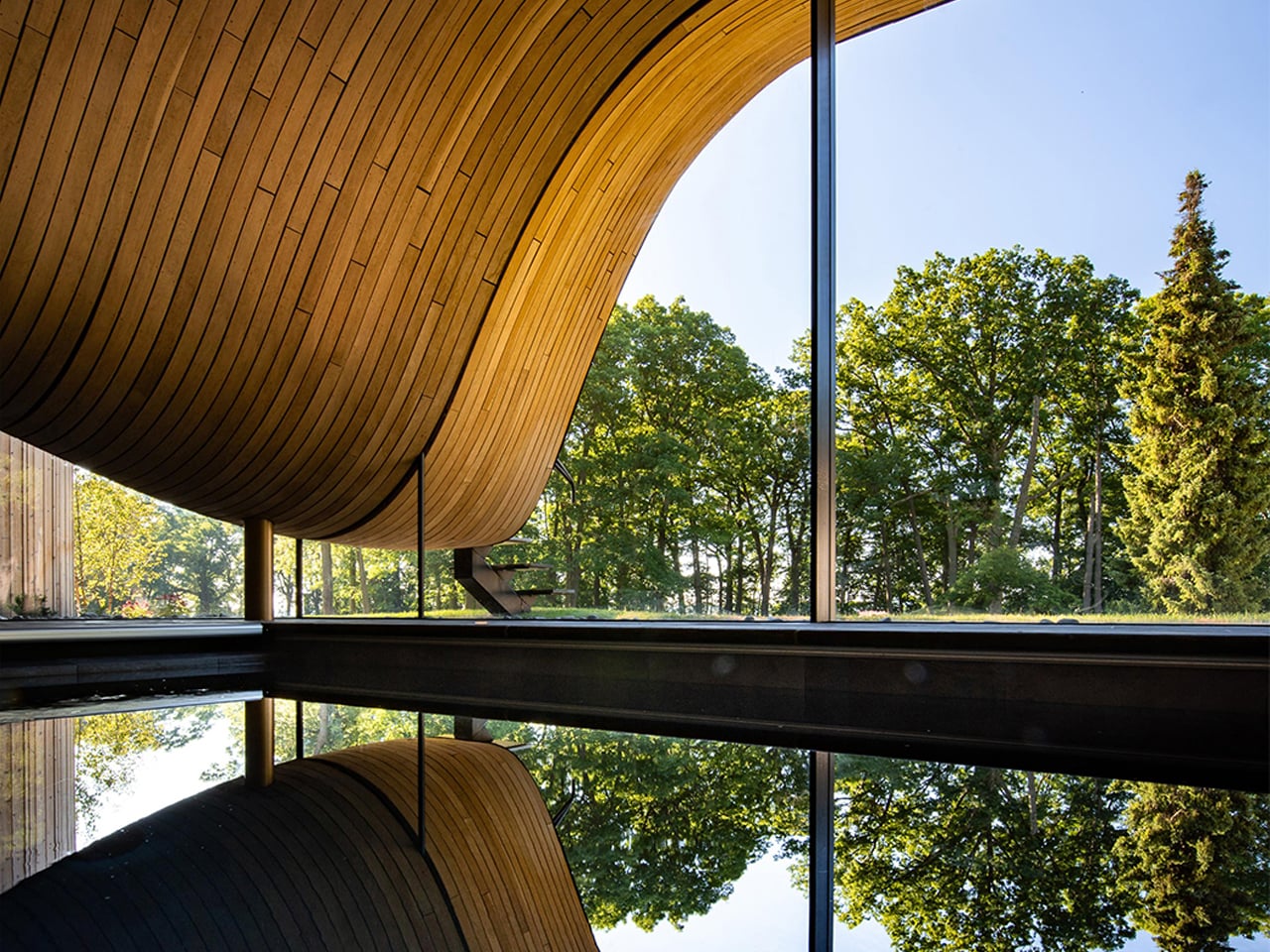
The home’s defining gesture is its wave-like roof, a sweeping green canopy that ripples across the structure like an architectural ribbon. This fluid form conceals a powerful steel beam that enables a dramatic cantilever, creating the illusion of a floating pavilion. The wave dips gracefully to cradle an external staircase, mirrored inside as a gentle curve in the white oak ceiling. Even the compression-bent wood façade reinforces the home’s sculptural softness, celebrating craftsmanship through seamless, organic lines.
2. Choreographing the Sun
In a sculpted home, light is treated as a building material rather than an afterthought. Windows become carefully placed voids, positioned to guide the sun’s path across walls and floors. Deep recesses, angled openings, and unexpected skylights allow architects to shape brightness with precision, controlling glare while enhancing depth and texture within the space.
As daylight shifts, interiors transform. Shadows lengthen, soften, and retreat, creating a rhythm that marks the passage of time. The home begins to feel dynamic, almost responsive. Instead of static illumination, you experience a space that evolves hour by hour, where light continually redraws the architectural form.
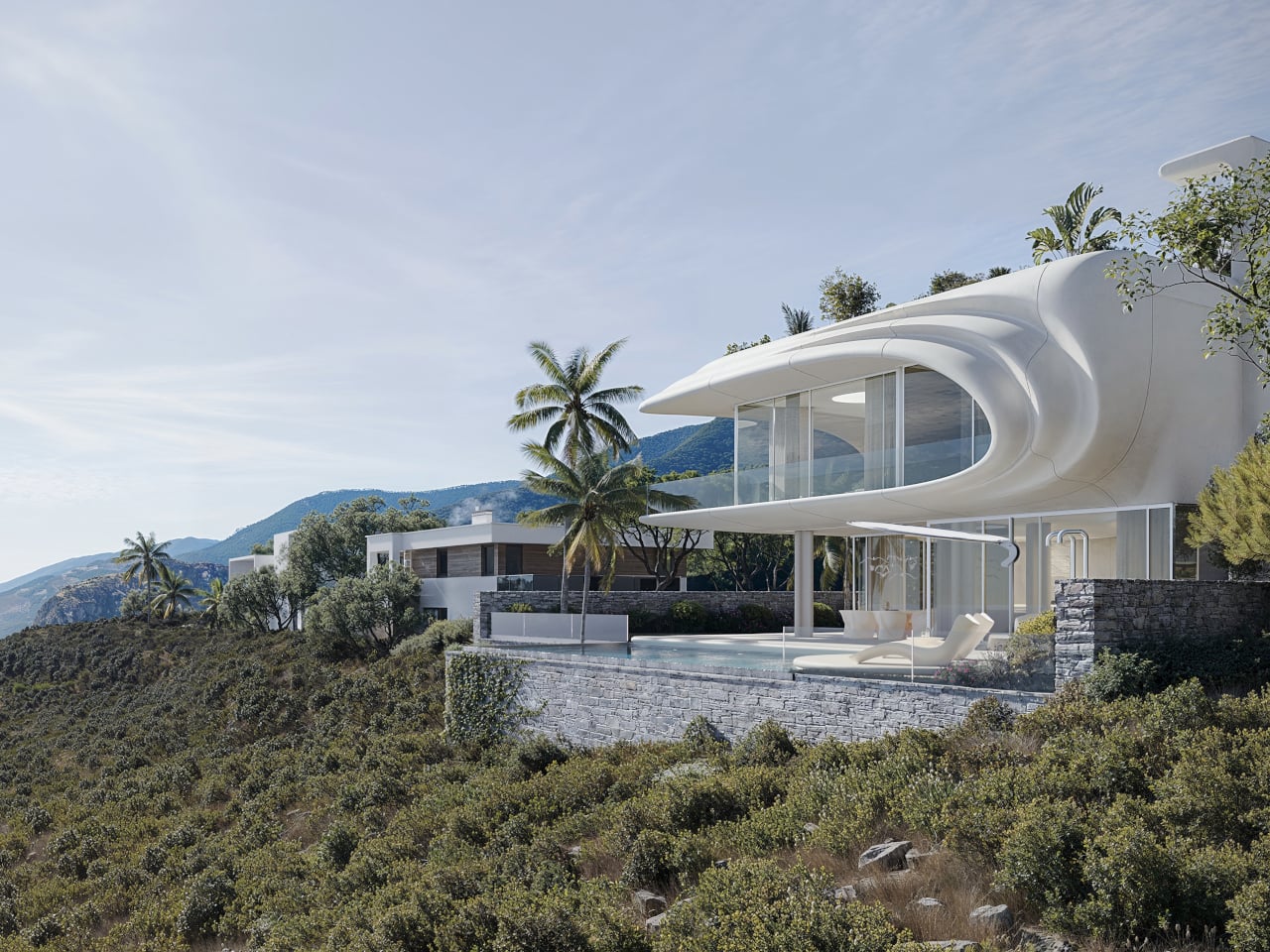
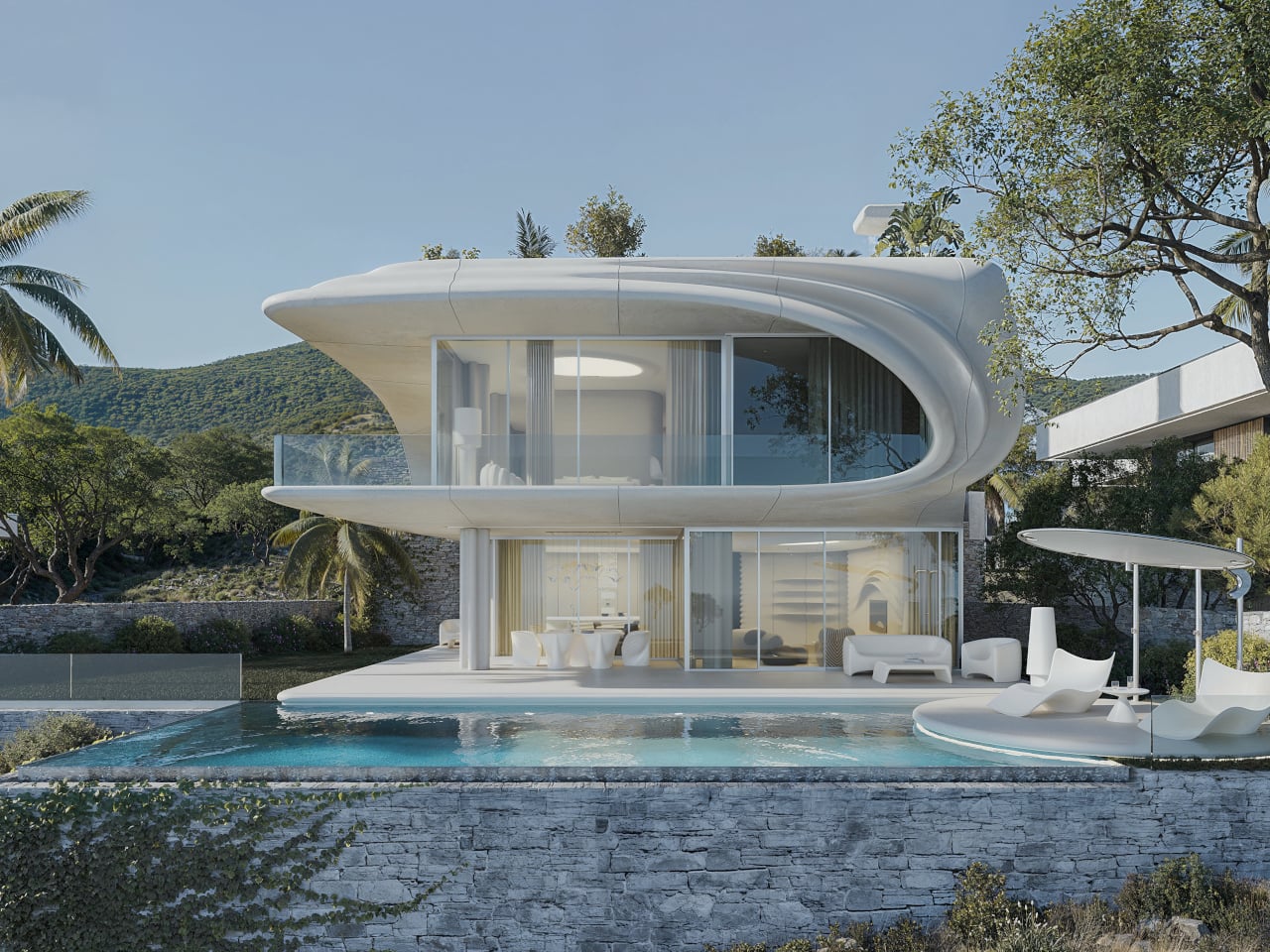
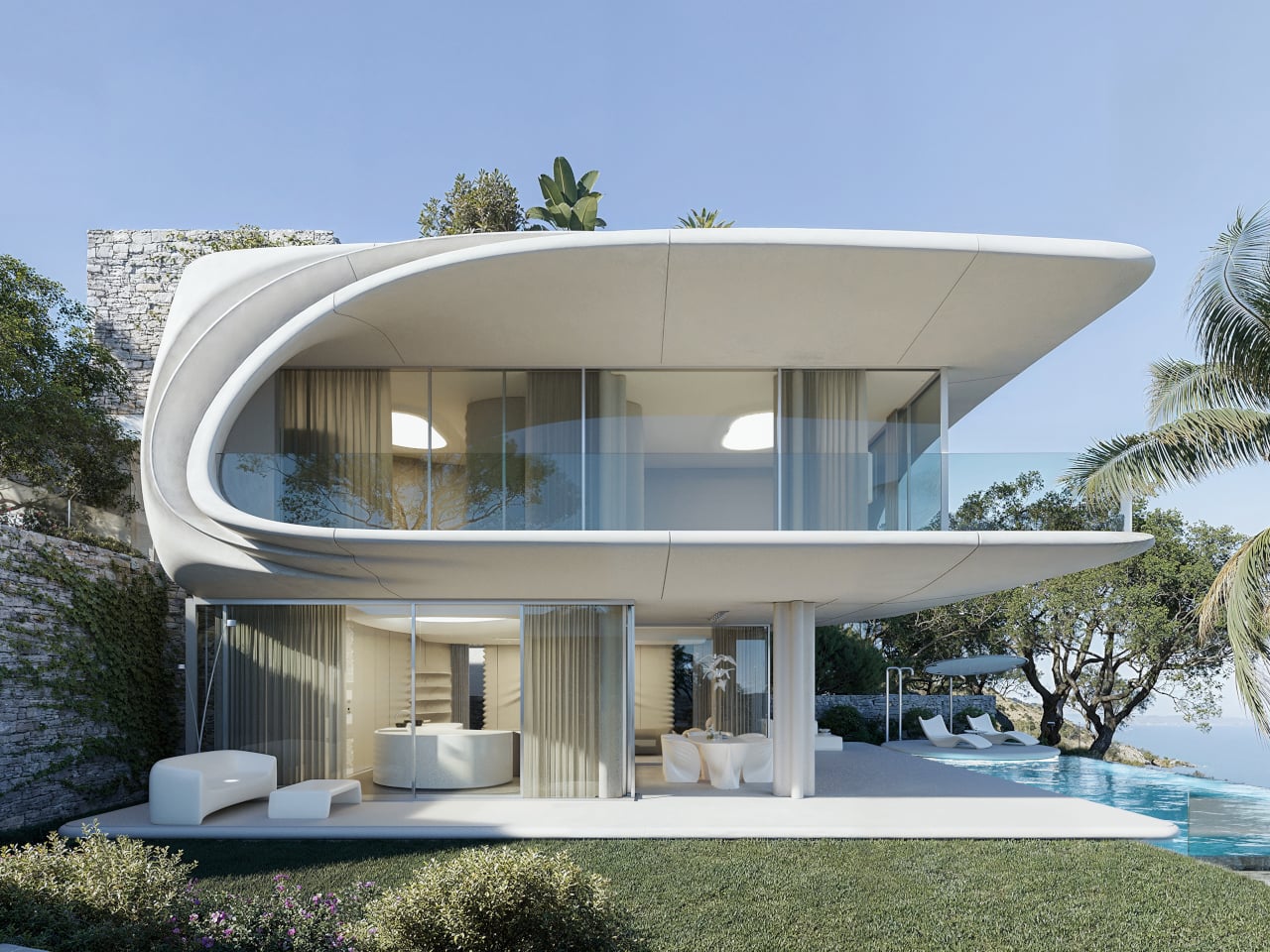
Perched on the hills above Marbella, PERLA is designed to choreograph sunlight as carefully as form. Conceived by STIPFOLD, the residence uses its sweeping, wave-like shell to frame and filter the Mediterranean light, and not simply open up to it. The dramatic overhang created by the curling upper floor casts measured shade across the terrace and glazing below, tempering the intensity of southern exposure while still allowing daylight to penetrate deep into the interiors. The white fibre concrete exterior amplifies brightness, reflecting light across its curved surfaces and subtly shifting in tone throughout the day.
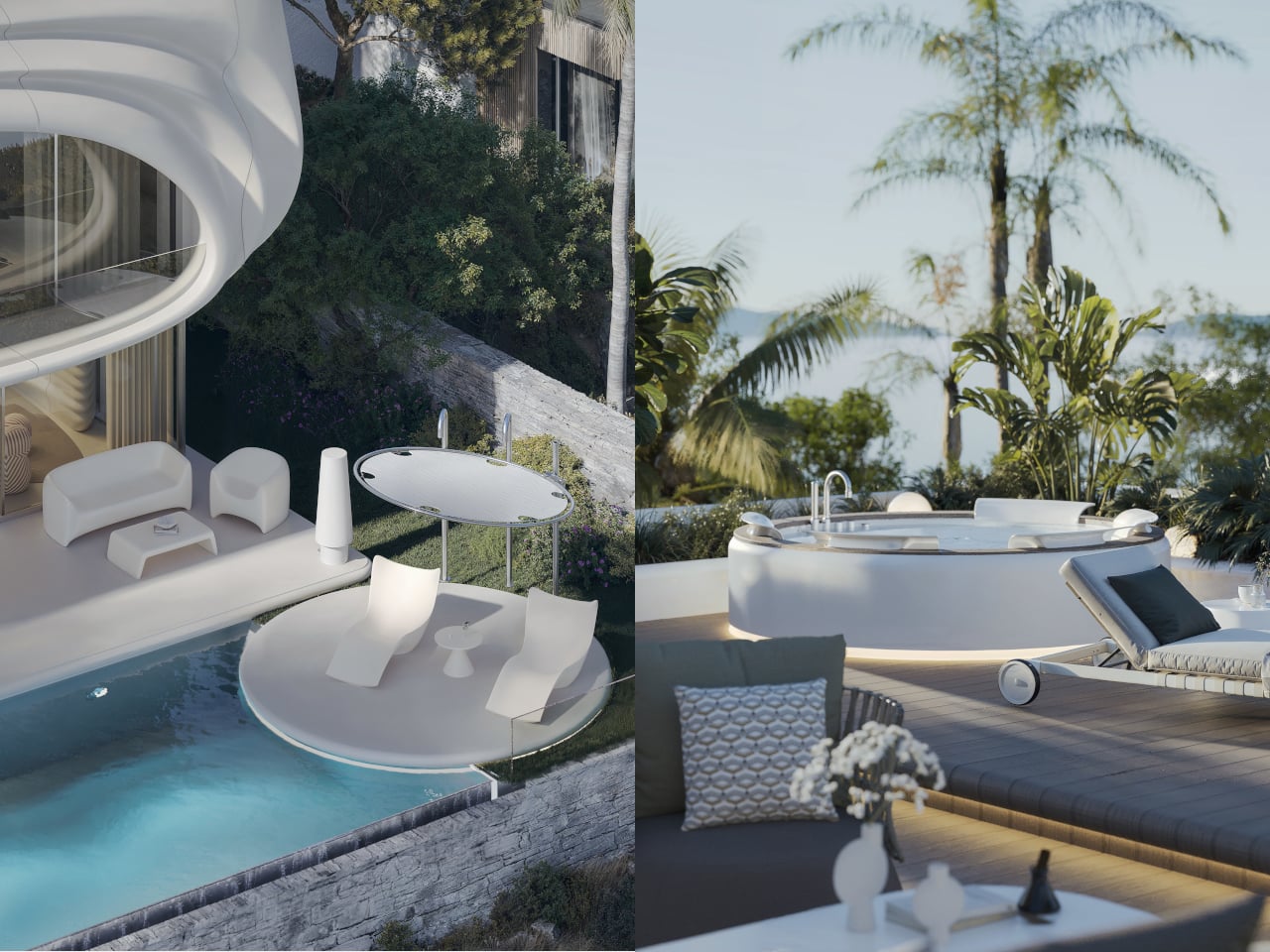
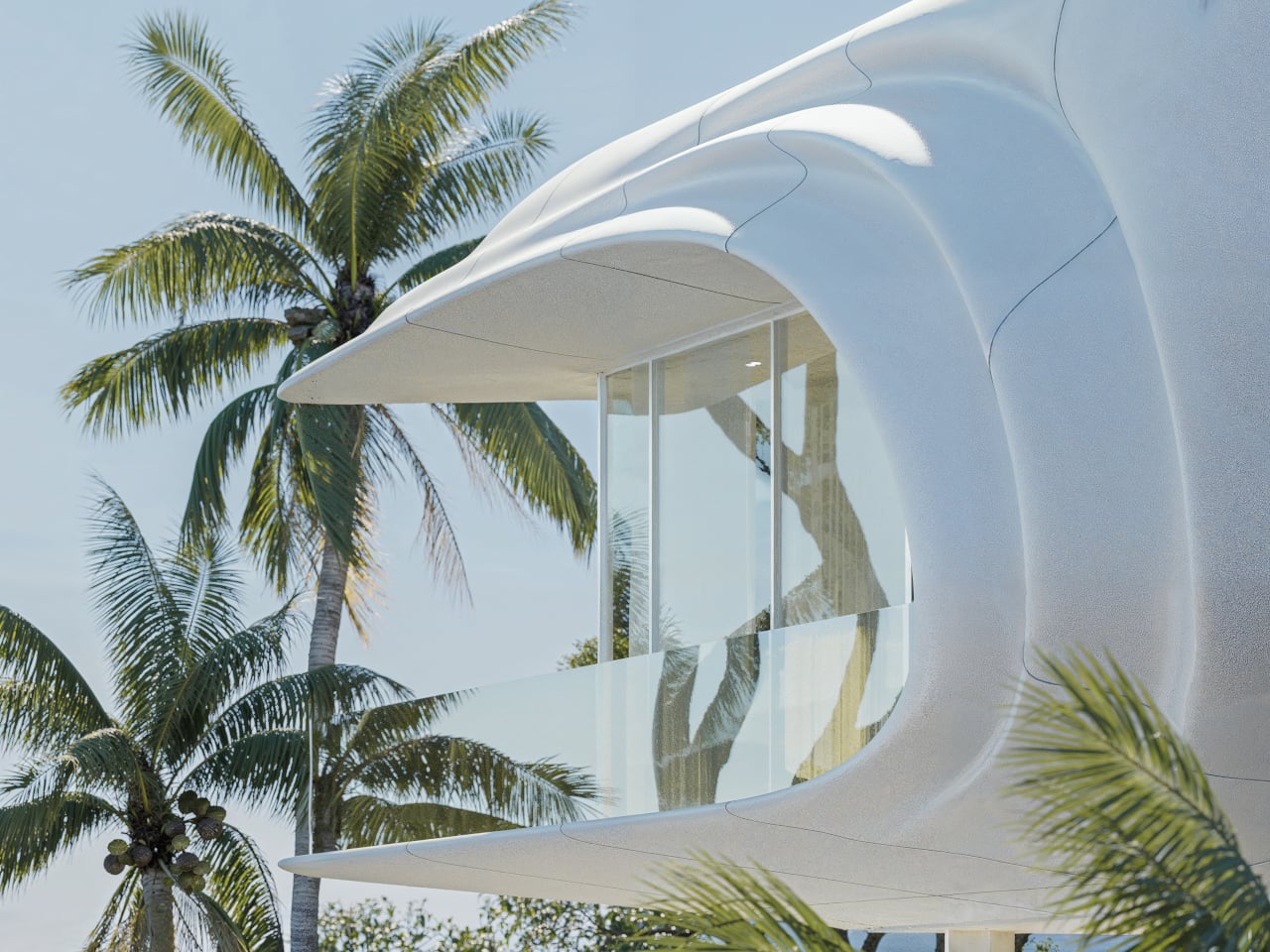
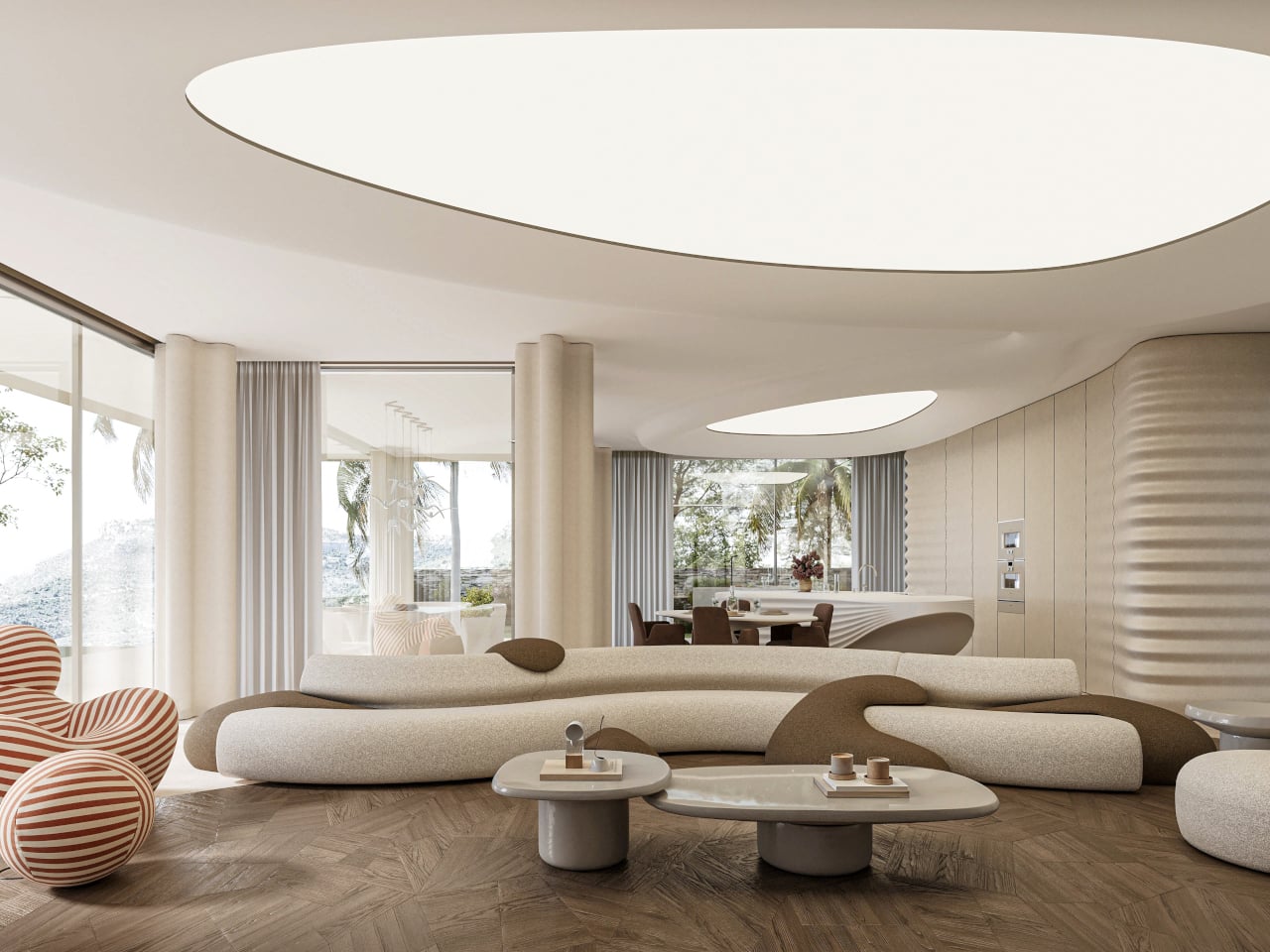
Inside, sunlight becomes a moving element within the architecture. Curved beige fibre concrete walls and gently undulating ceilings catch light differently as it travels across the rooms, creating soft gradients instead of harsh contrasts. The restrained palette of sand, white, and pale timber enhances this effect, allowing daylight to glide uninterrupted across surfaces. Rather than relying on ornament, the 400 m² home uses geometry to shape how light enters, diffuses, and settles while turning the interior into a calm, sun-washed environment that evolves from morning glare to evening glow.
3. The Beauty of the Exposed Frame
In sculpted homes, structure is not concealed behind layers of finish but is intentionally revealed. Dramatic cantilevers extend outward over slopes or water, creating a sense of suspension and boldness. Raw steel beams, concrete cores, and solid stone piers remain visible, allowing you to understand how the building carries its own weight.
You see the forces at play, the balance, the counterweight, and the support. The home communicates its logic openly, transforming engineering into visual poetry. Strength becomes part of the design language, where the exposed skeleton enhances stability and beauty.
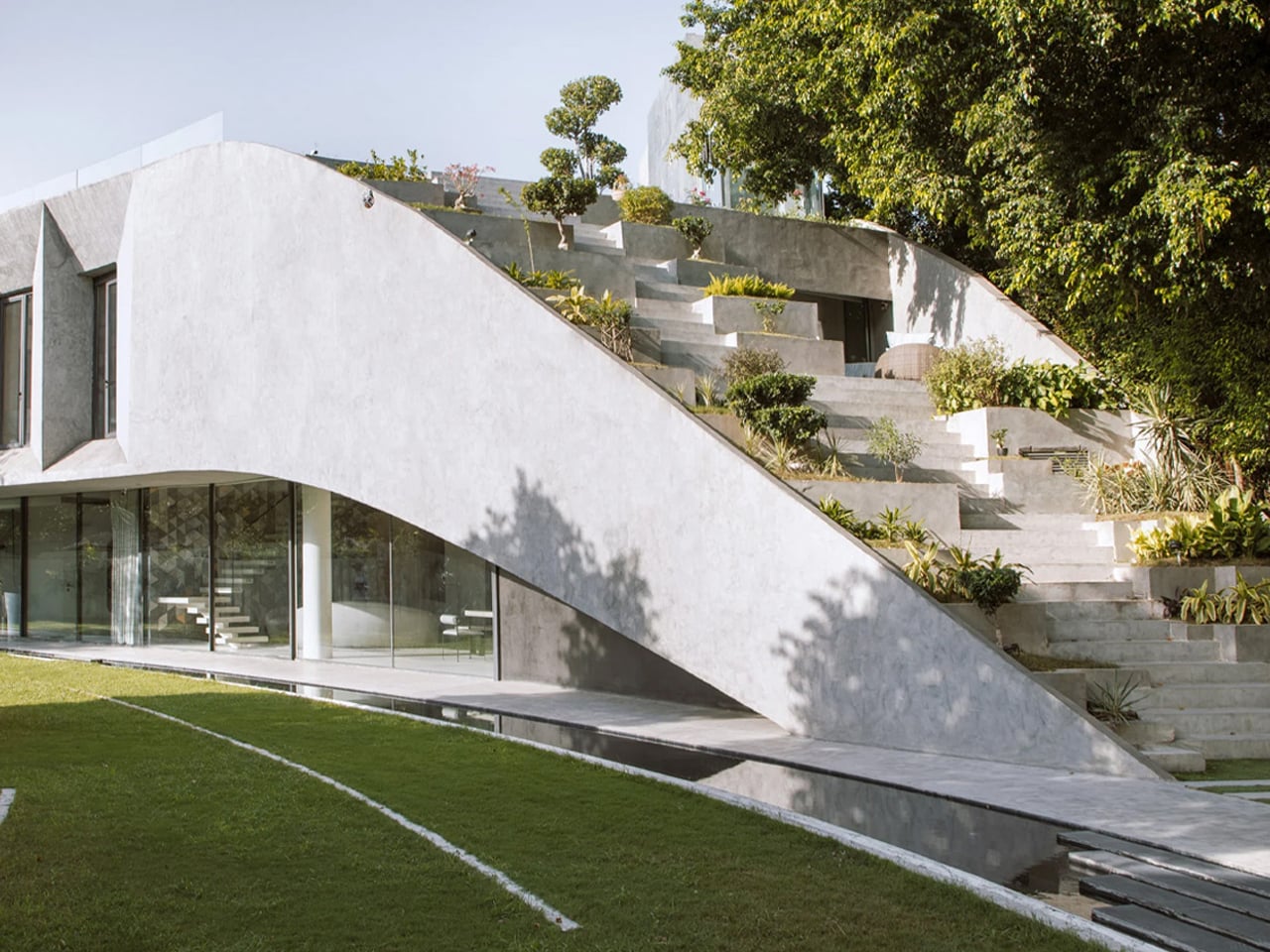
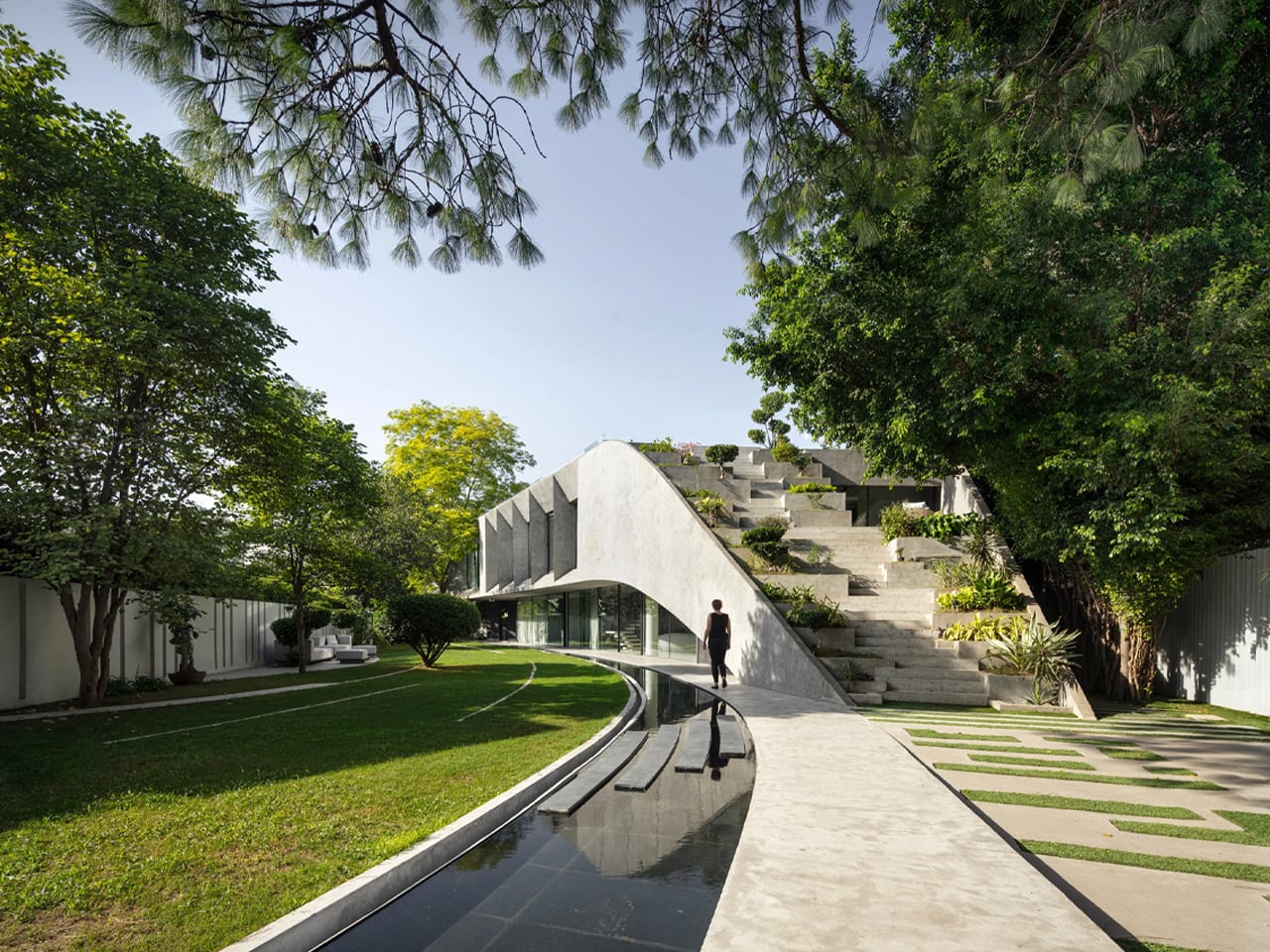
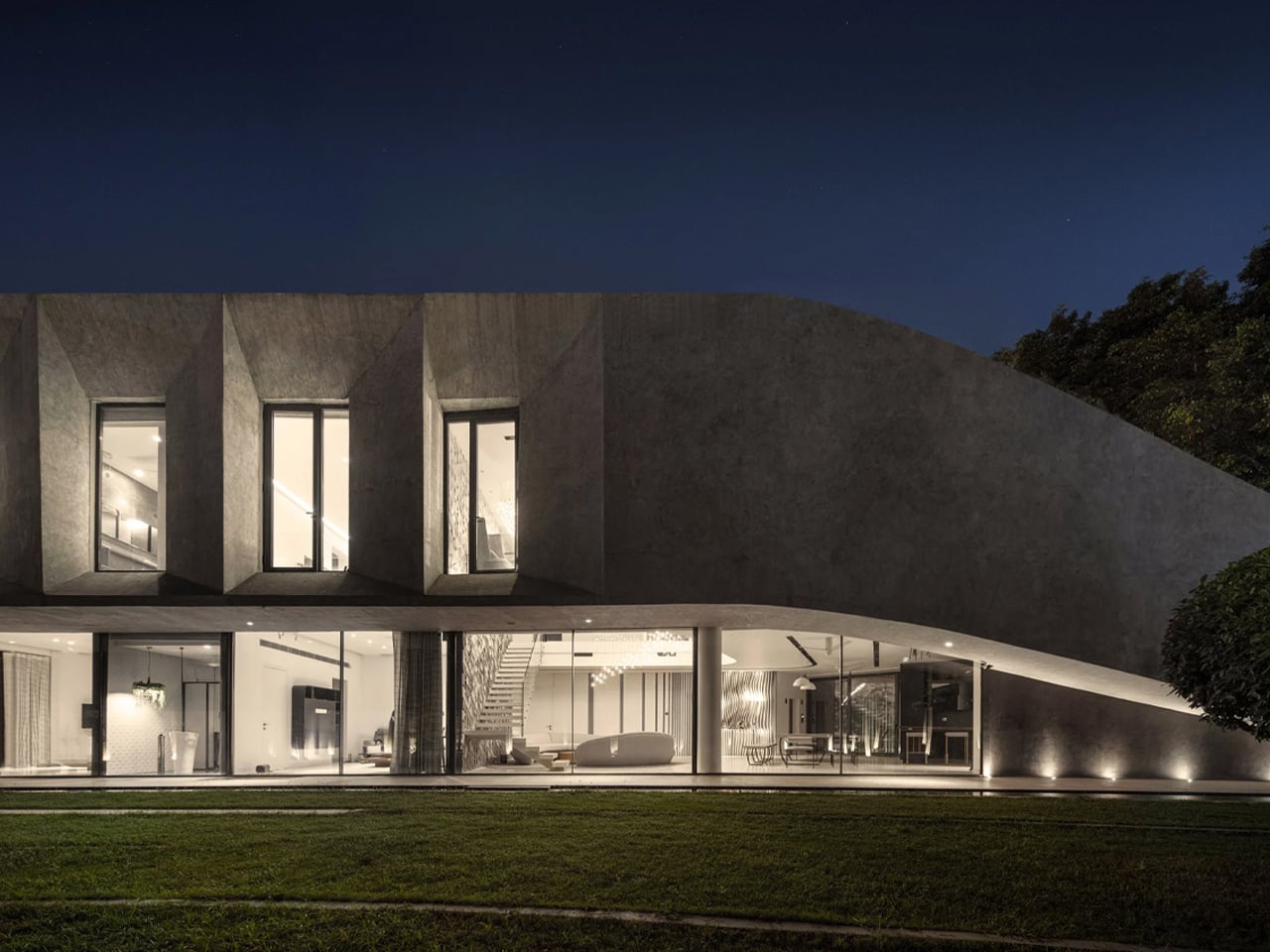
Tucked within the dense urban fabric of New Delhi, Villa KD45 is a striking concrete residence defined by its sweeping terraced roof that rises gently from the landscaped ground like a soft wave. Designed by Studio Symbiosis for a large joint family, the home occupies an angular plot bordered by neighboring villas on three sides. Its sculptural form and layered green roof give it a bold, almost brutalist presence while reinforcing a strong connection to nature. Conceived as an antidote to the growing divide between urban living and the natural environment, the house integrates generous gardens and carefully preserves the mature trees on site, which influenced its placement along the northeast edge of the property.
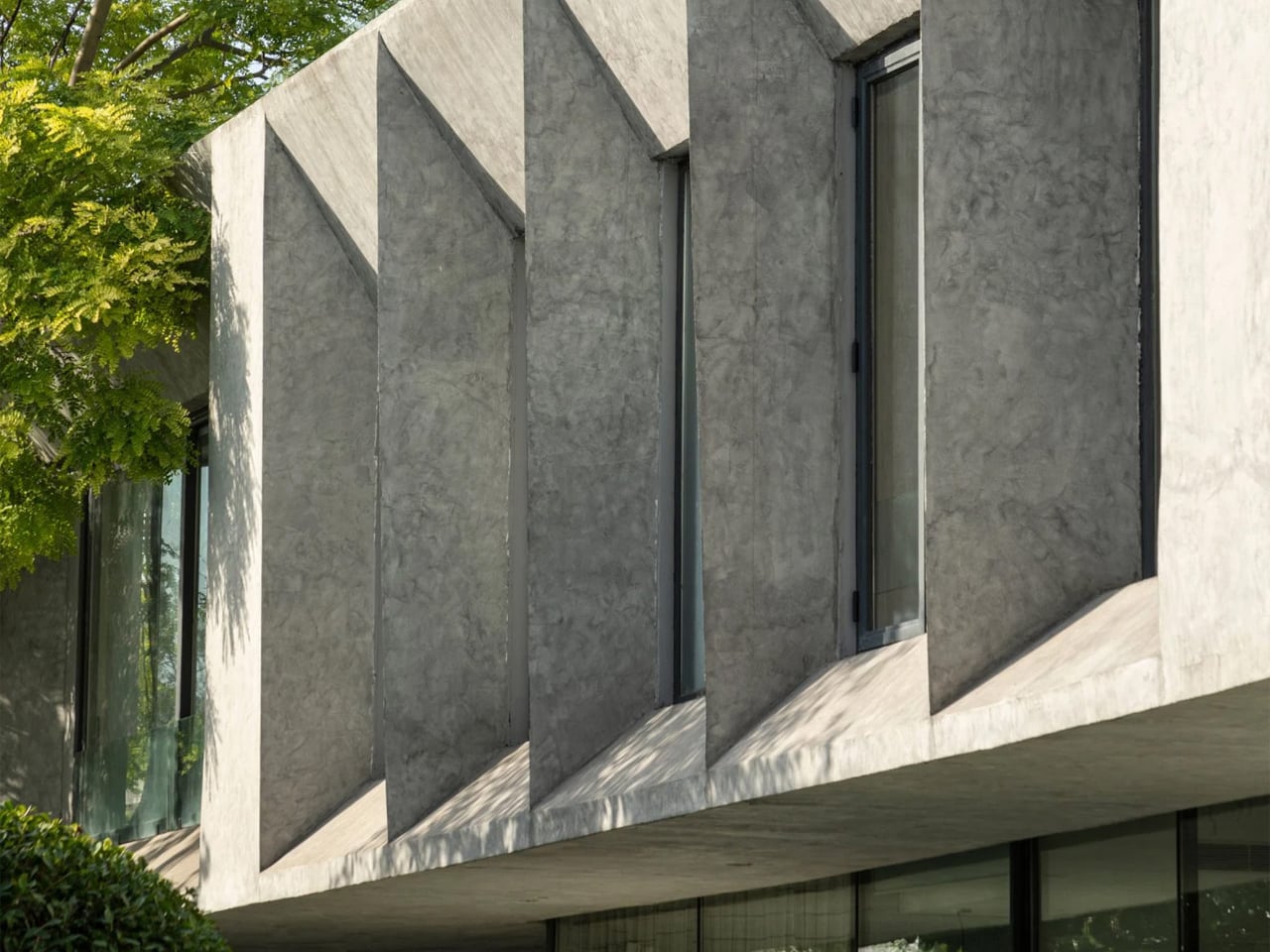
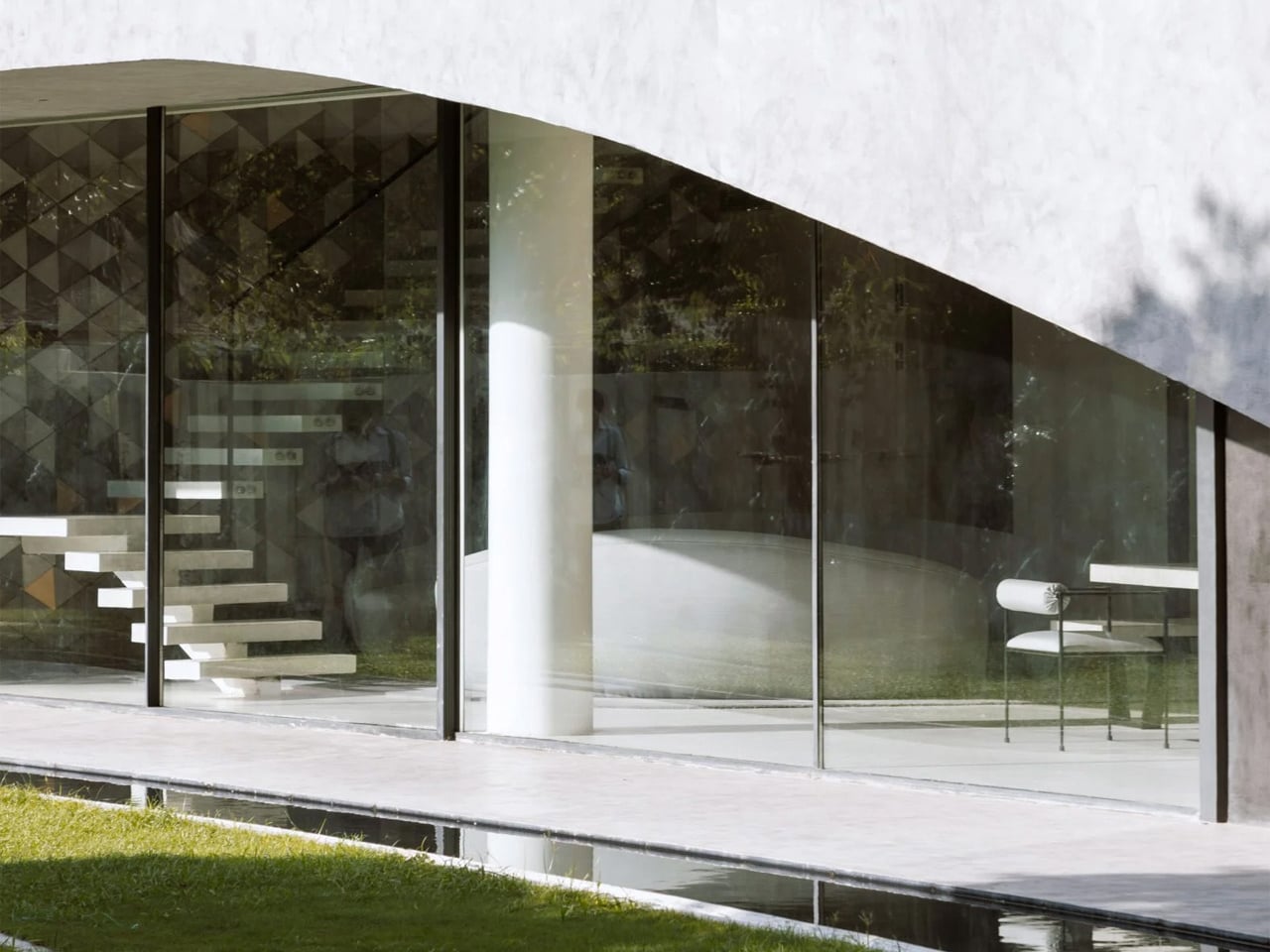
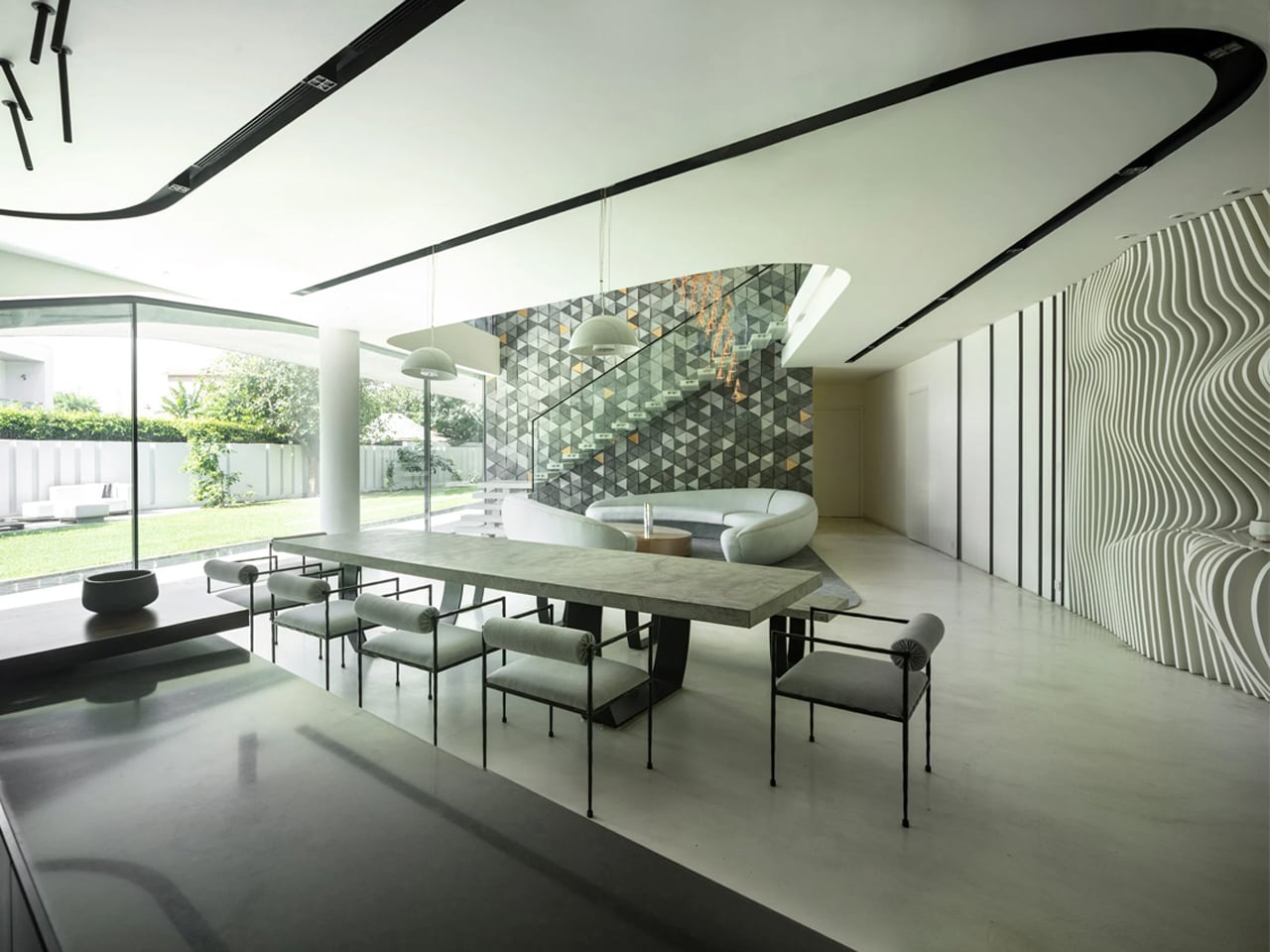
The cascading roof doubles as a stepped terrace dotted with concrete planters and landscaped pockets that overlook a nearby park. To combat Delhi’s intense summer heat, the ground floor is partially lowered while the upper level cantilevers outward to create shade. Angled window recesses reduce heat gain, and rooftop planting further cools the structure. Inside, a double-height kitchen, dining, and living area forms the heart of the home, opening to the garden through sliding doors. A sculptural floating staircase leads to a mezzanine with a glass balustrade, while a tucked-away swing seat overlooking the tree canopy offers a quiet retreat within the bustling city.
4. Designing Through Mono-Materiality
Additionally, in sculpted homes, material is not just a finish, as it becomes the guiding concept. Designers increasingly embrace mono-materiality, selecting one dominant substance such as rammed earth, white plaster, bamboo, or raw cedar, allowing it to define the exterior and interior surfaces. Walls, ceilings, and built-in elements emerge from the same tactile language, creating visual continuity and structural clarity.
This approach produces a deeply immersive atmosphere. The transition between the façade and the interior dissolves, and even the furniture feels integrated rather than added. You experience a cohesive environment where texture, tone, and temperature remain consistent, fostering calm, focus, and a quietly meditative sense of unity.
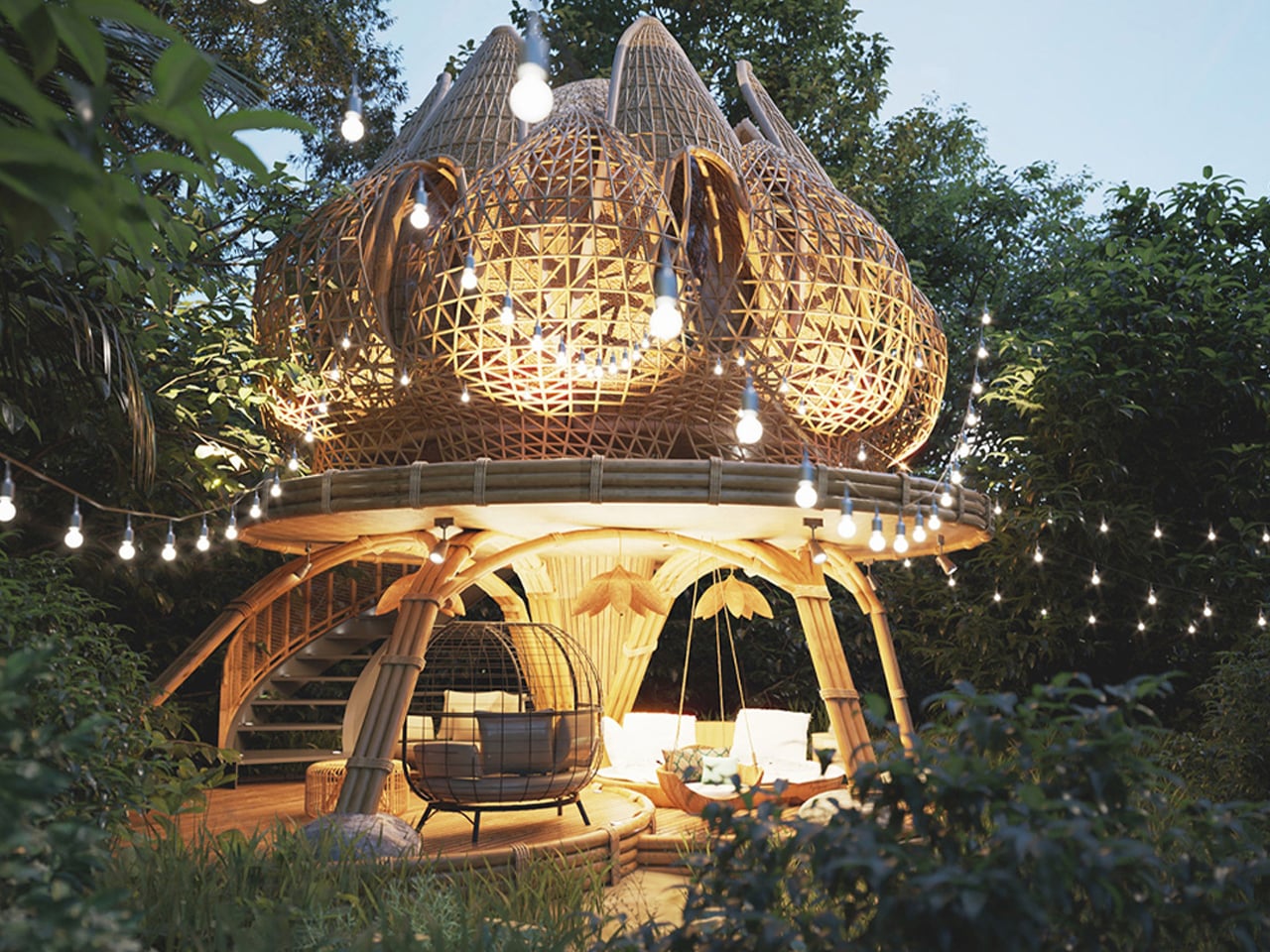
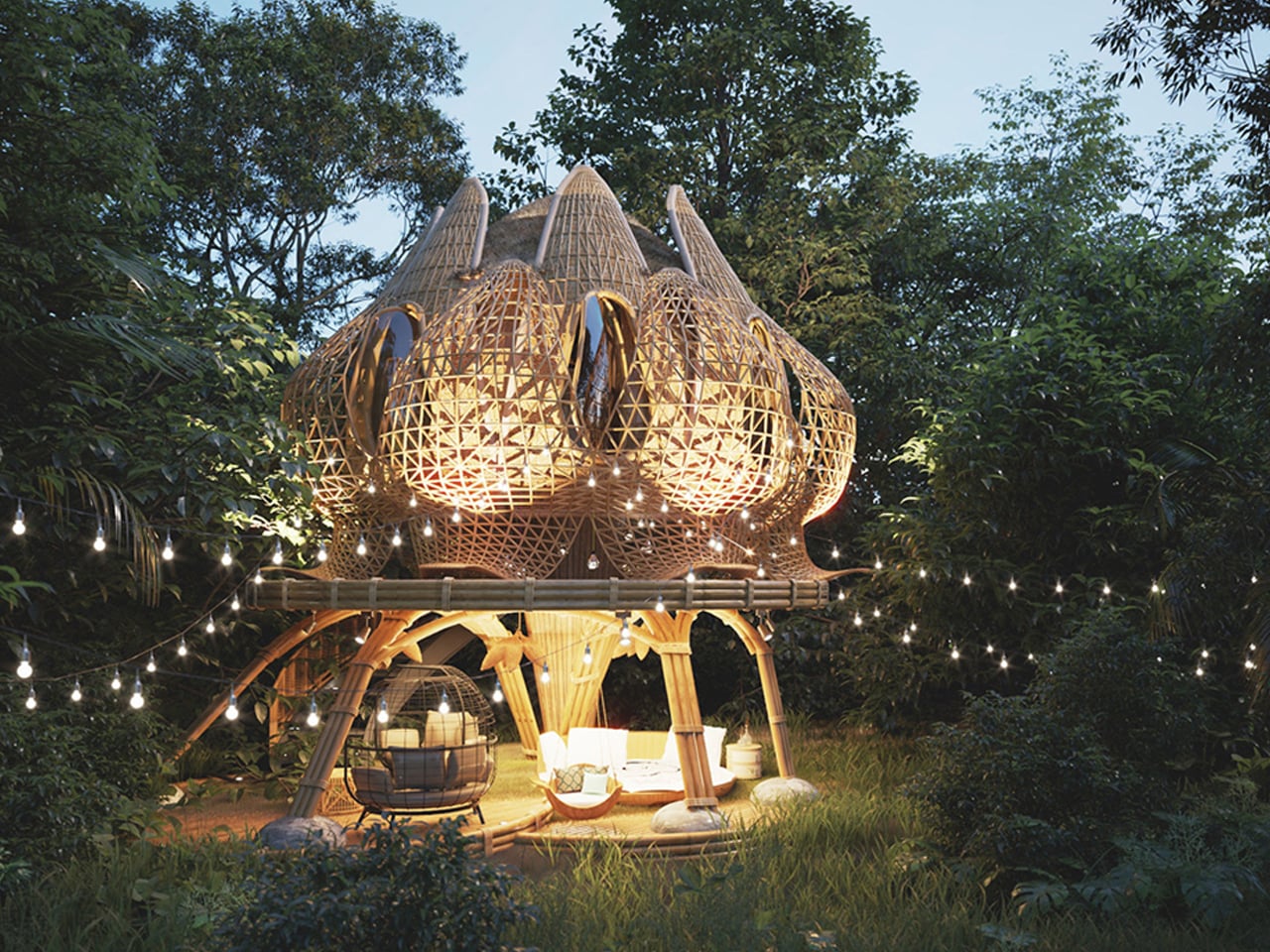
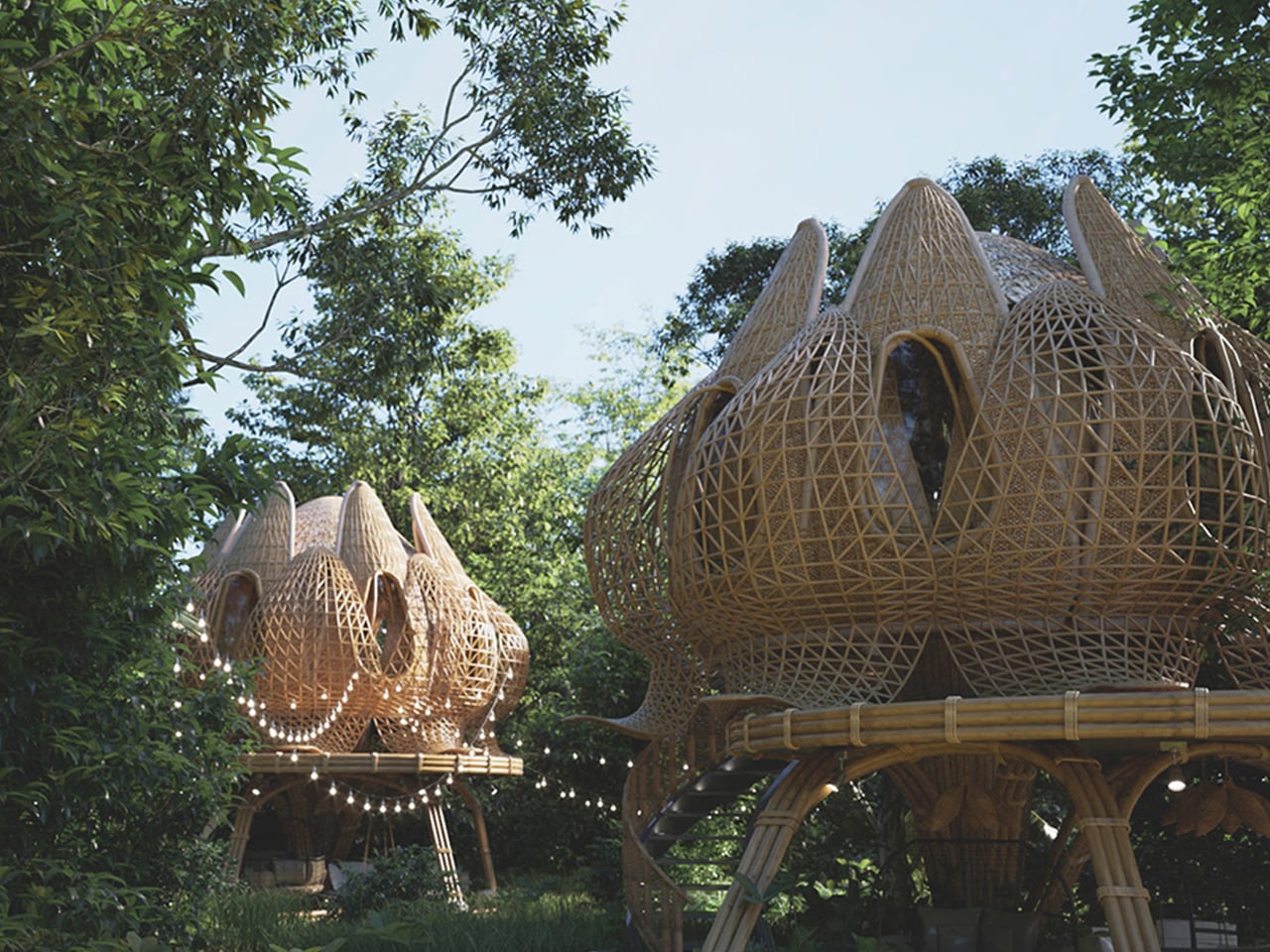
Designed by Thilina Liyanage, the Hideout Lotus Bamboo Villa is a conceptual retreat that explores bamboo as its primary and defining material. The entire structure, right from its elevated pillars to its intricate exterior skin, is imagined almost entirely in bamboo, celebrating the material’s strength, flexibility, and textural richness. Raised above the ground on clustered bamboo shafts, the single-storey villa creates a shaded communal deck below while supporting a lotus-inspired living space above. Even the sculptural form, resembling layered petals, is articulated through carefully interwoven bamboo elements.
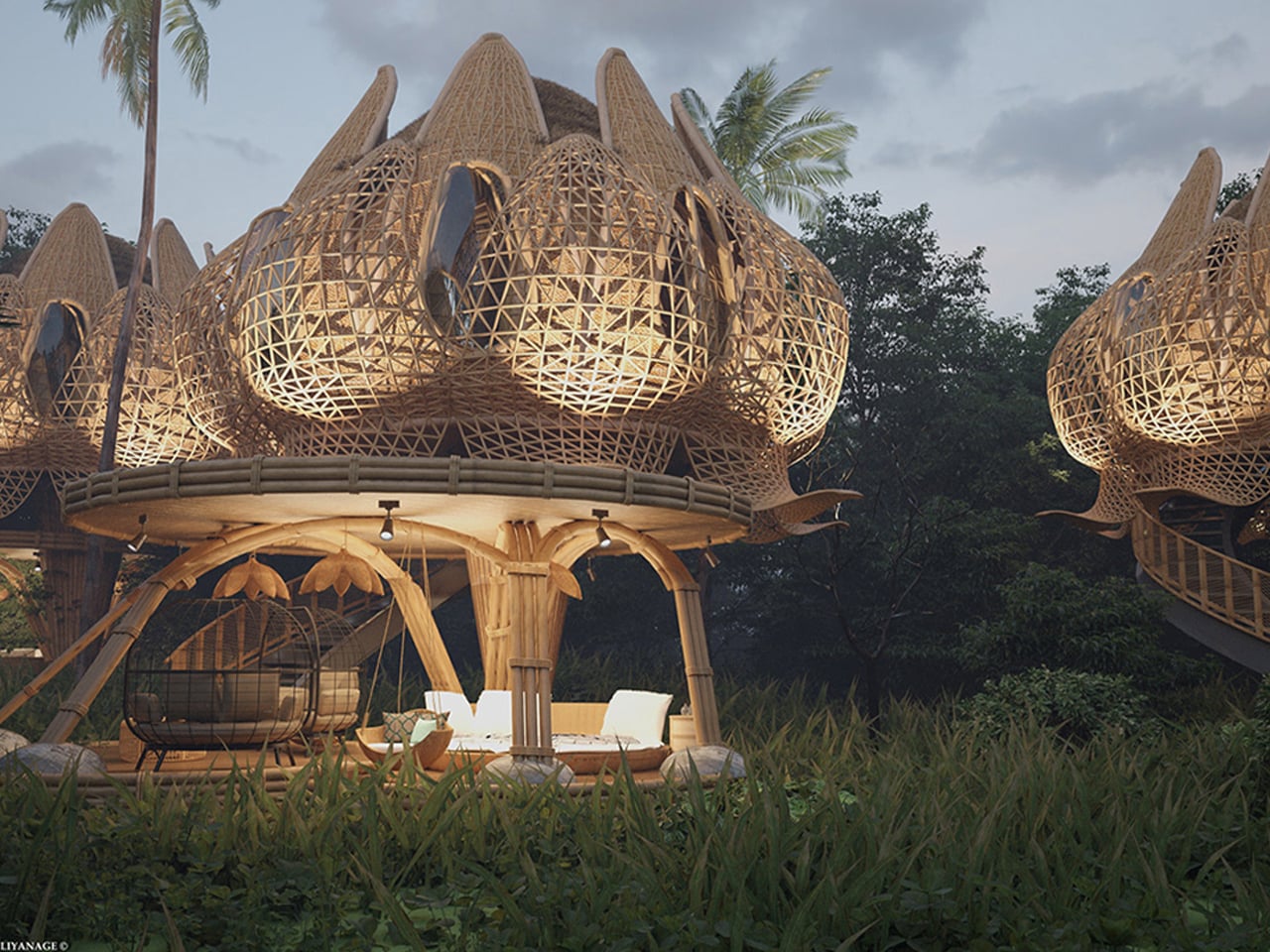
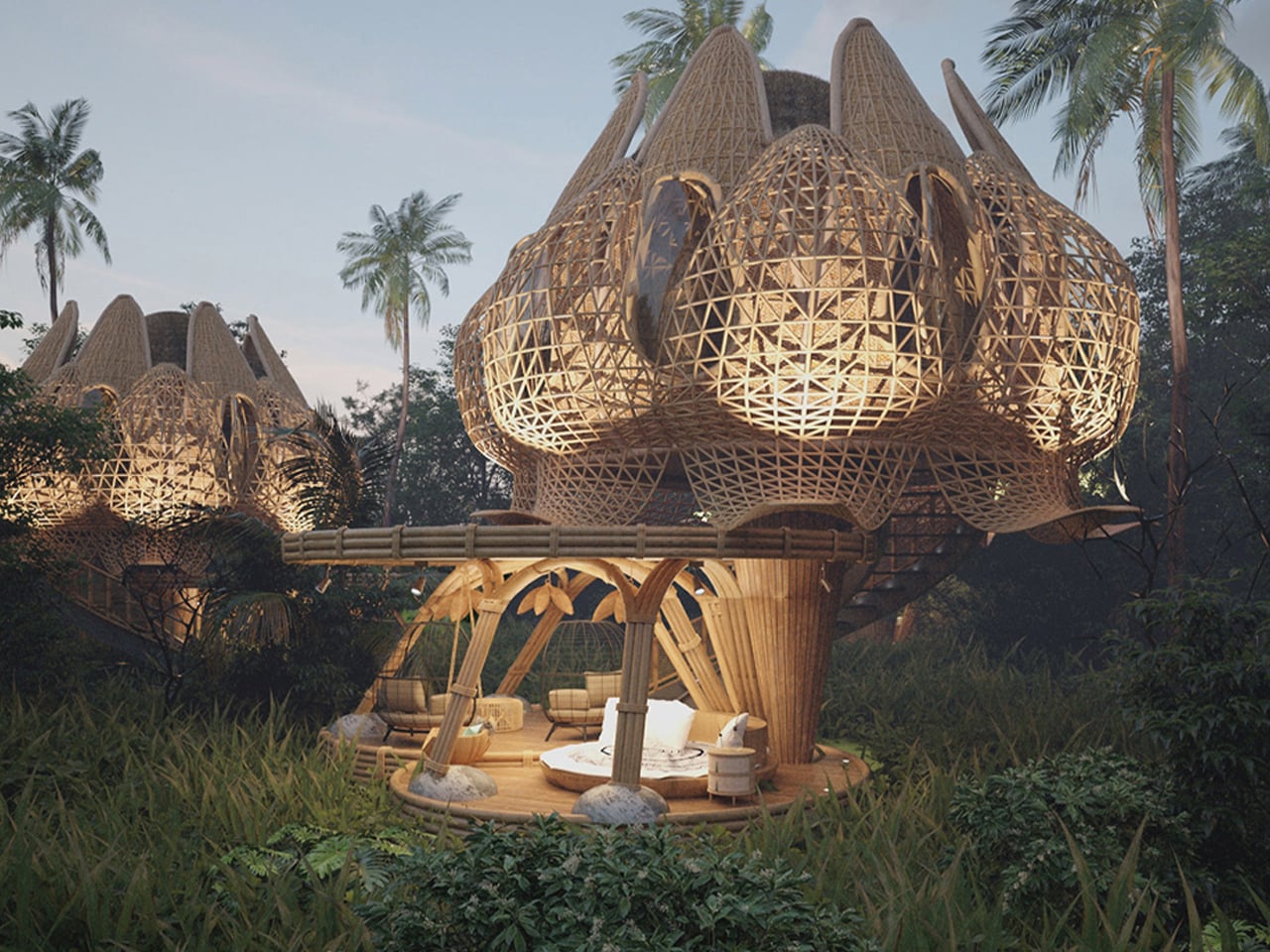
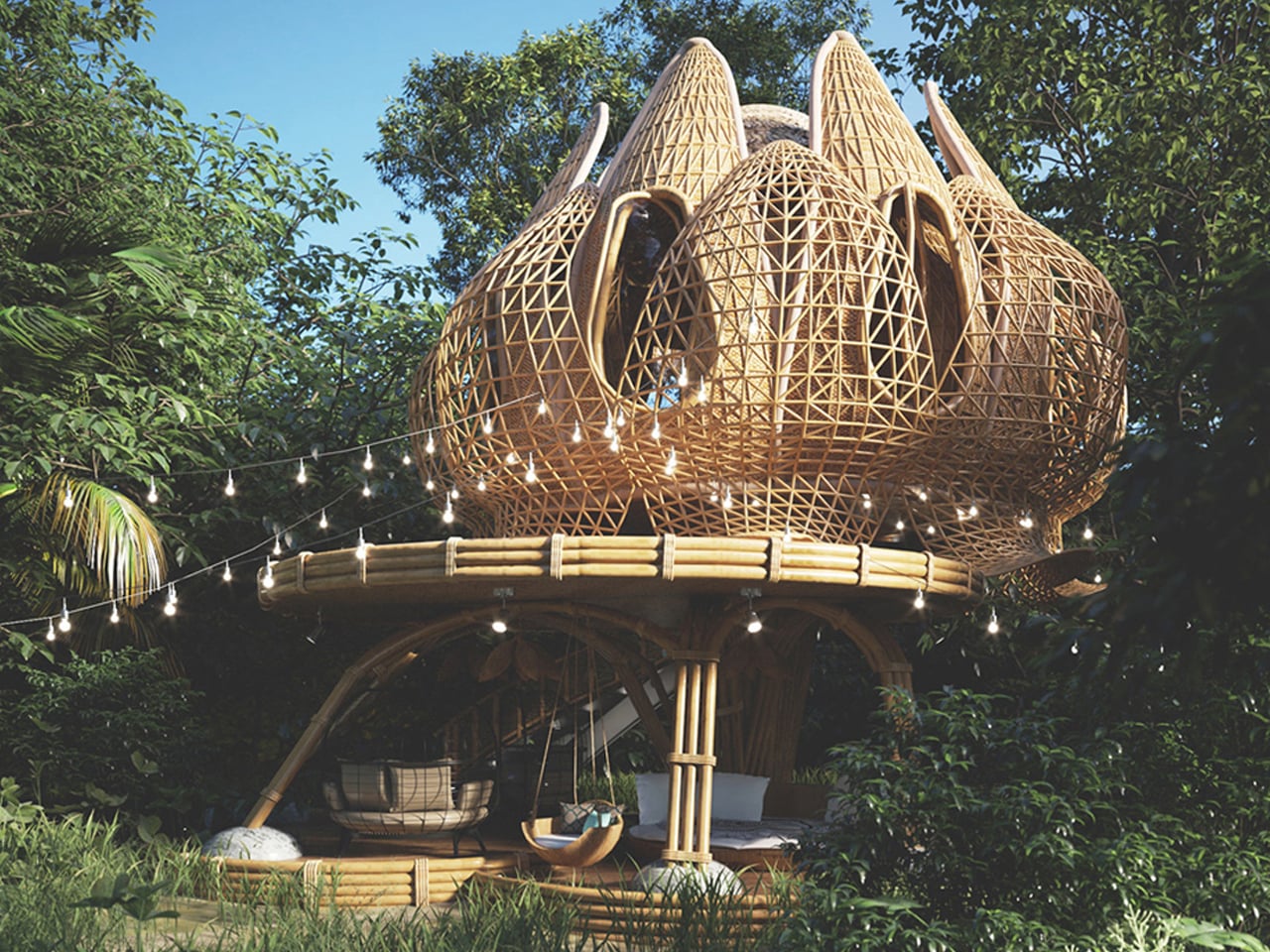
The upper volume is wrapped in a continuous bamboo lattice that acts as a façade and filter, softening views while maintaining ventilation. Flooring, structural members, screens, and detailing follow a unified bamboo language, creating cohesion across every surface. The curved edges of the villa extend like petals formed from bent and layered bamboo strips, demonstrating the material’s adaptability to fluid geometries.
5. Architecture in Dialogue with Nature
Sculpted homes emerge from a deep dialogue with their environment. The architecture responds to the land’s contours and character rather than overriding them with imposed geometry. A structure may be carved into limestone, anchored along a hillside, or wrapped in reflective surfaces that echo the surrounding forest. The architecture becomes a lens through which you experience terrain, light, and horizon.
This relationship is reciprocal. The house enhances views, channels breezes, and frames seasonal change, while the landscape lends character and emotional depth. Together, they form a balanced composition where built form and natural context strengthen one another.
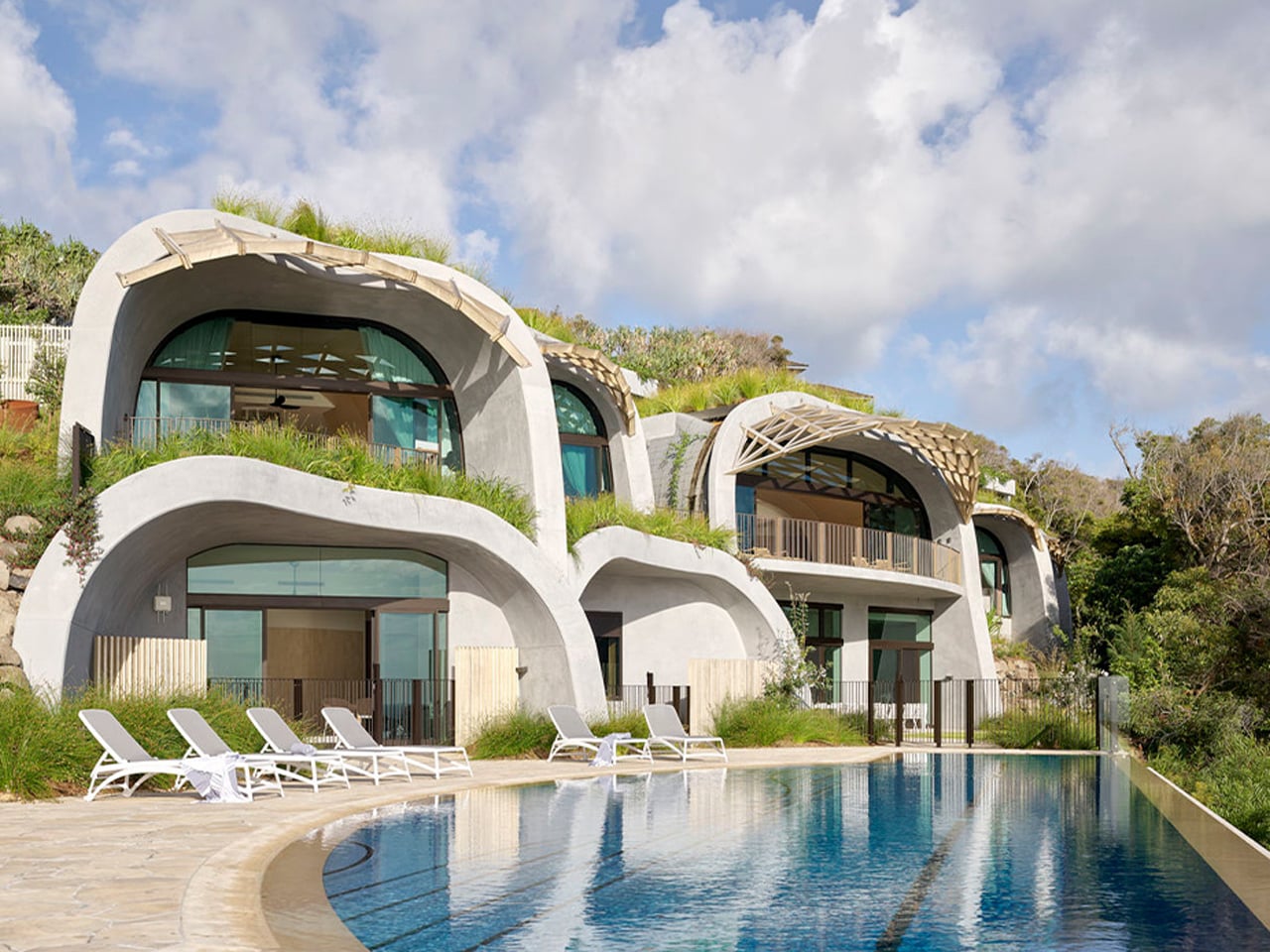
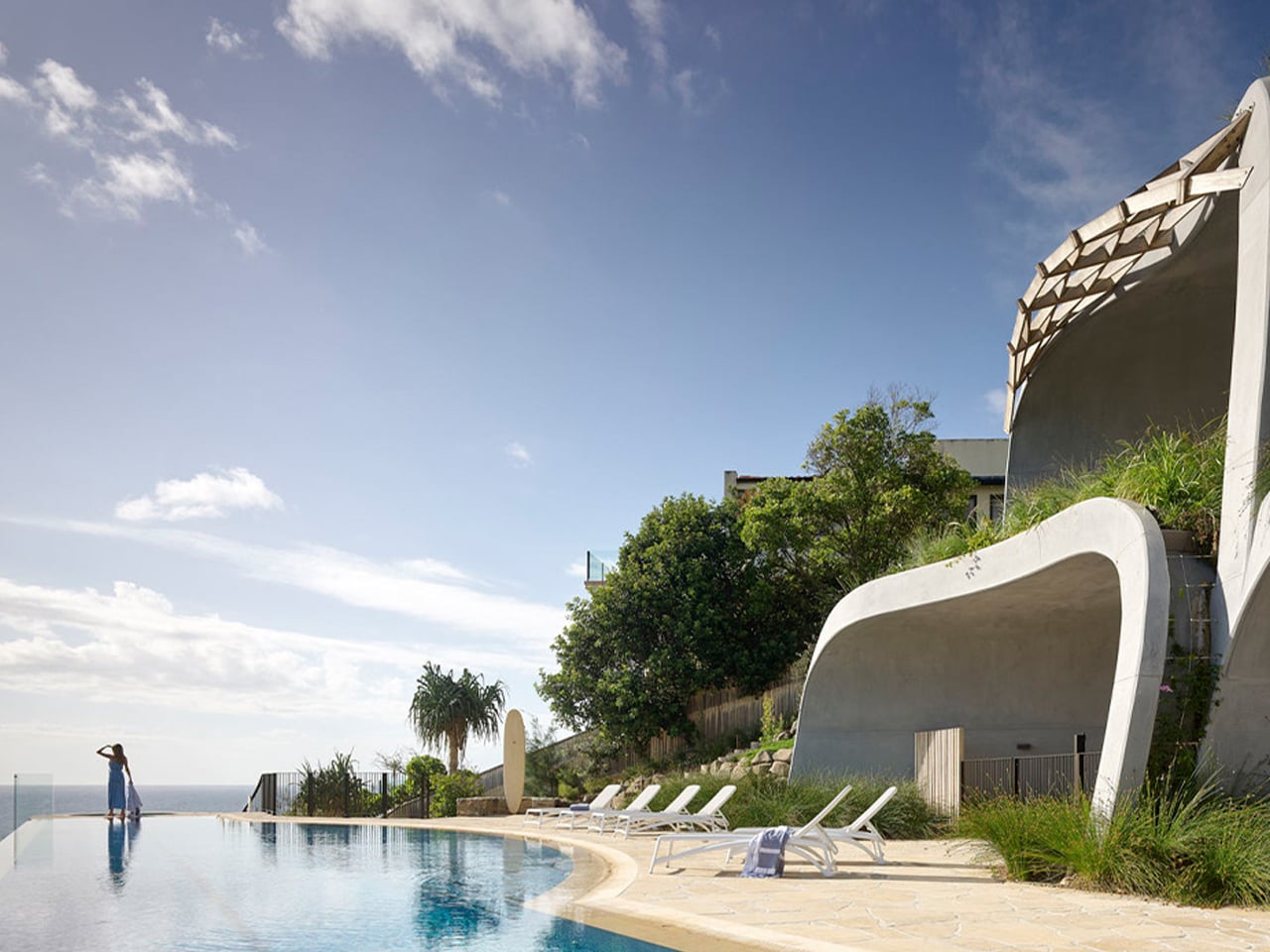
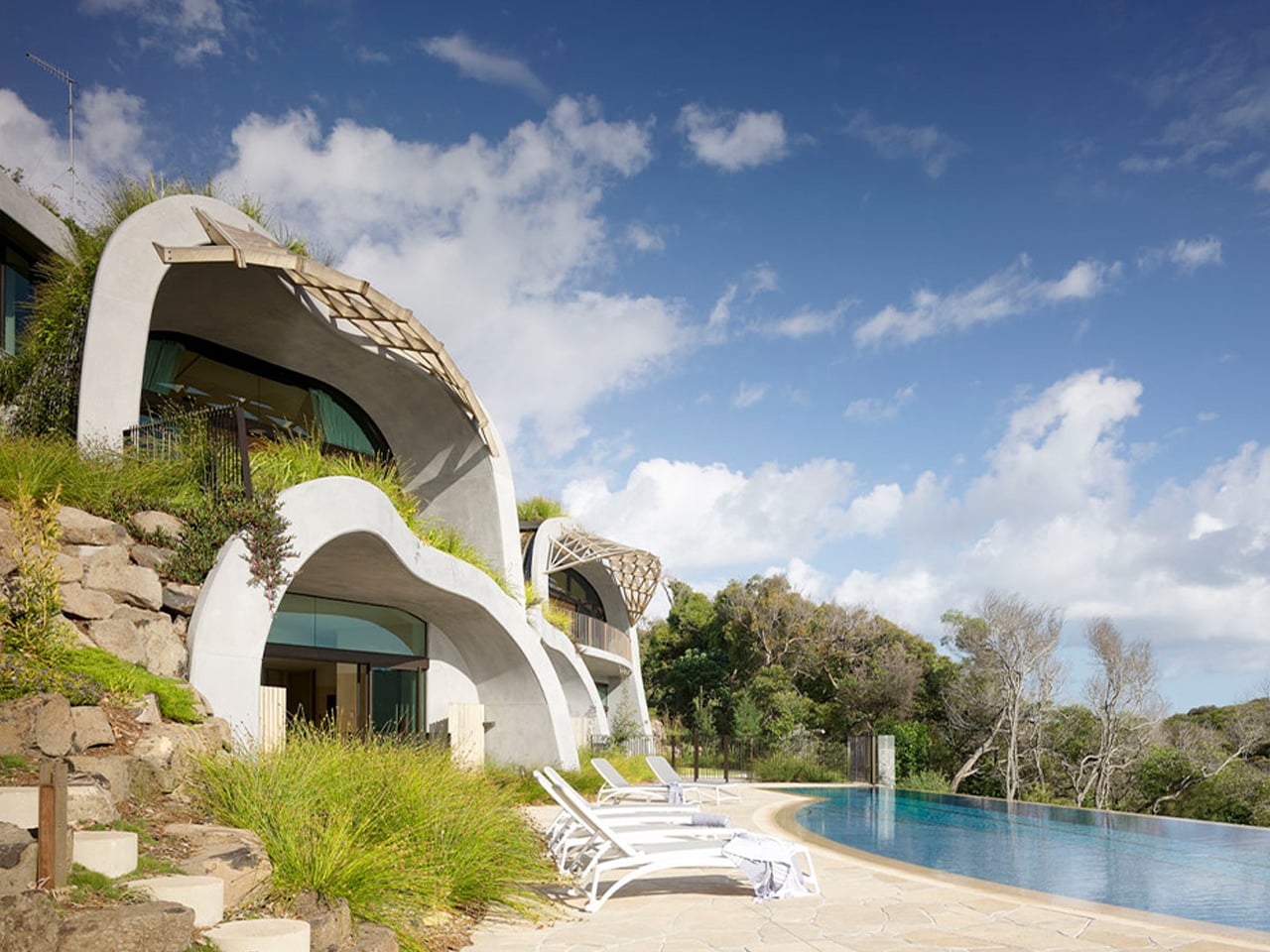
Set within the sandhills south of Noosa National Park, Domik House by Noel Robinson Architects is conceived as an extension of its coastal landscape. The residence rises through a series of stacked domes softened by lush green roofs, allowing the architecture to merge with the surrounding dunes and vegetation visually. Instead of sharp angles, the sculptural curves echo natural landforms, helping the structure settle gently into its environment while preserving the character of the site.
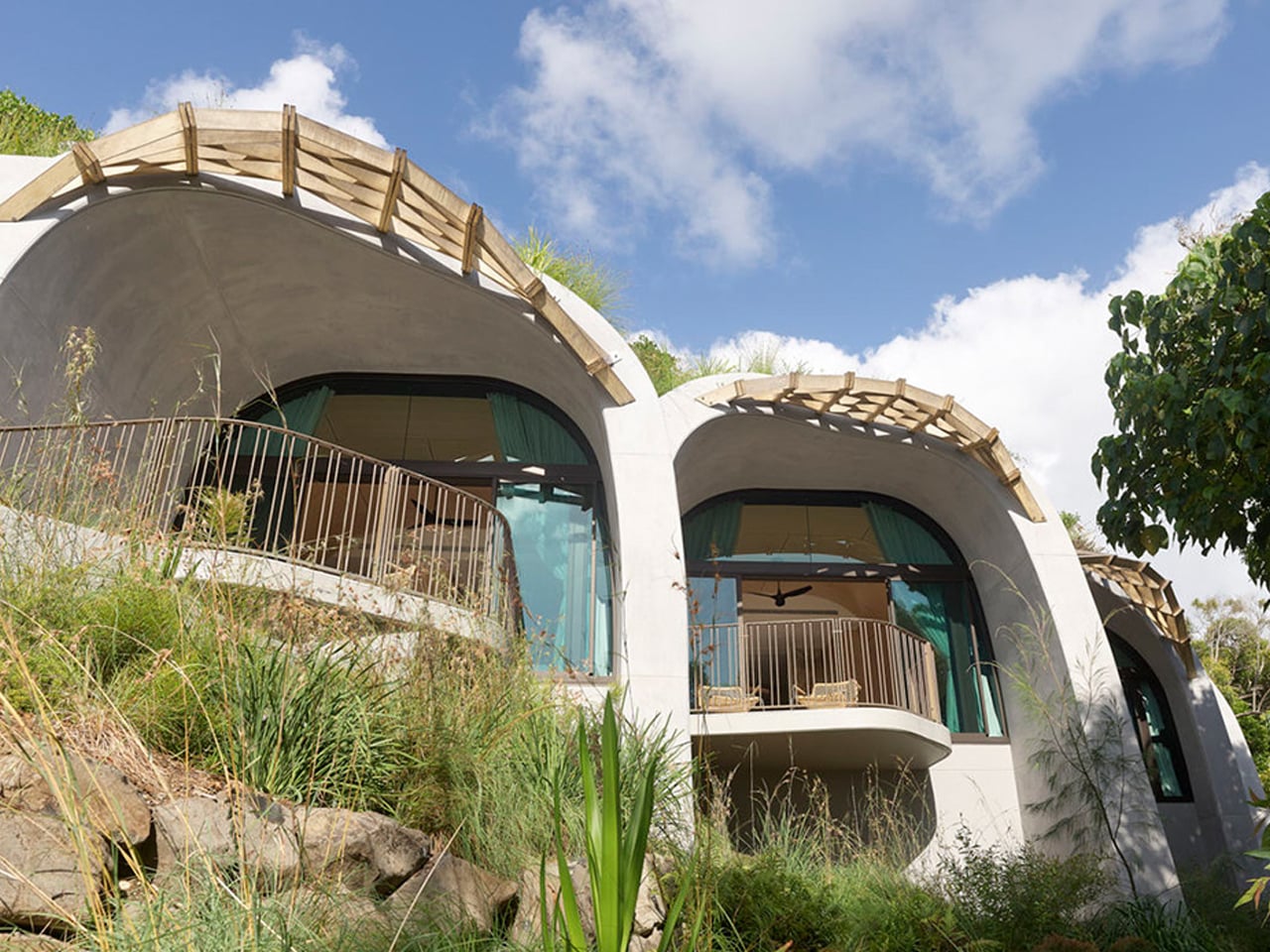
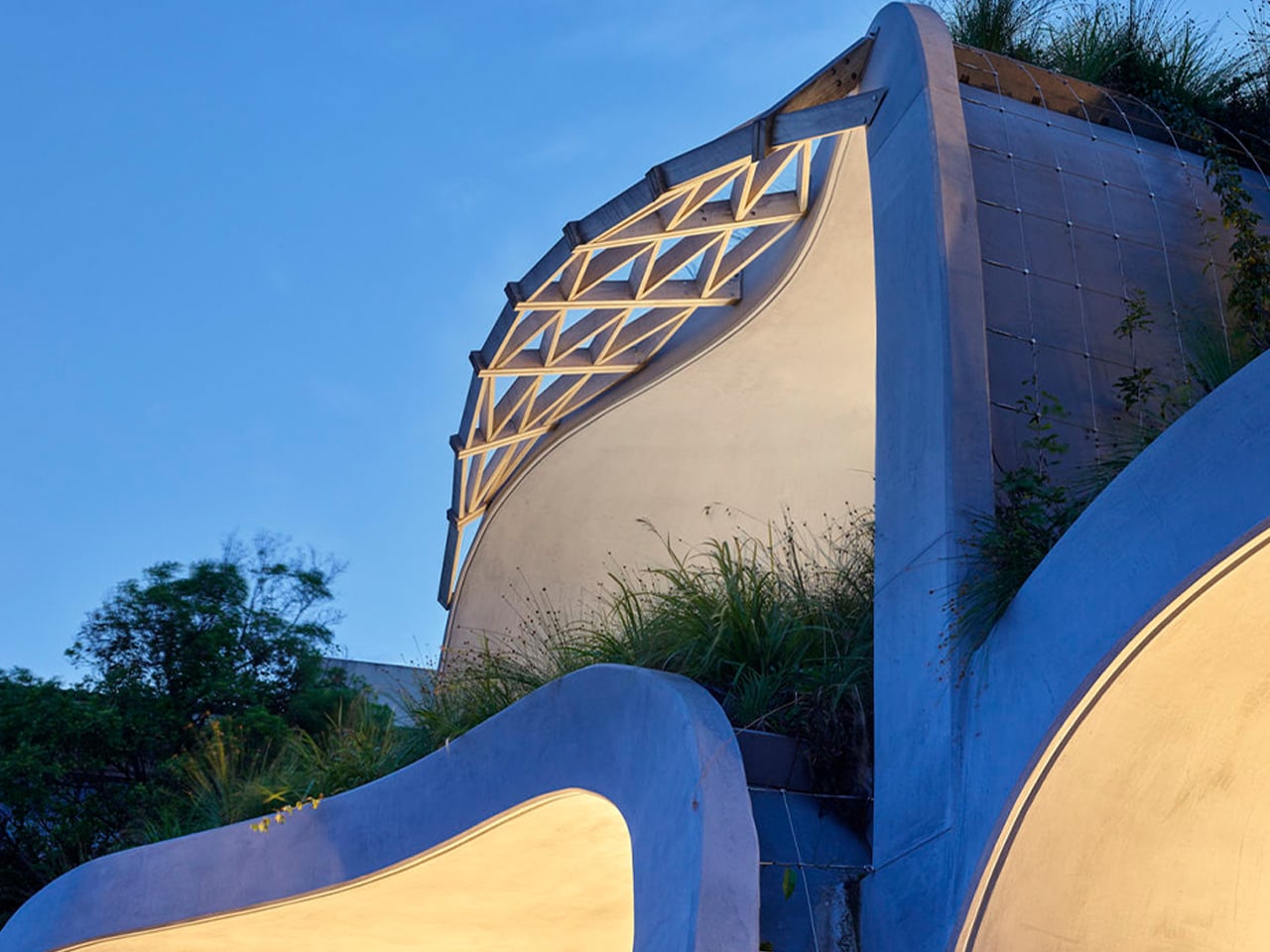
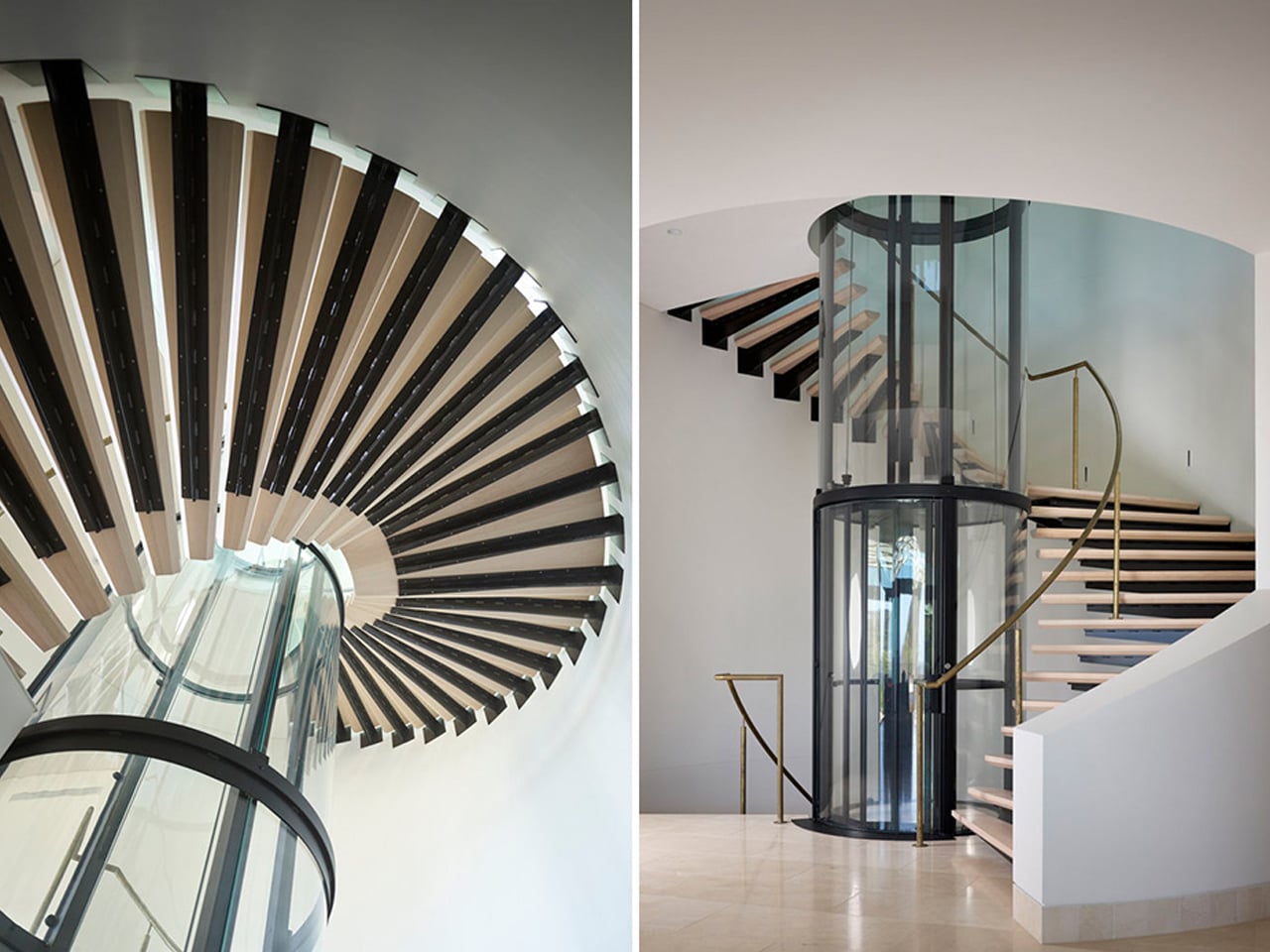
The integration extends beyond form into performance and materiality. Expansive openings encourage cross-ventilation and invite ocean breezes deep into the interiors. Rooftop solar panels with battery storage generate renewable energy on-site, while harvested rainwater is reused within the property. Hempcrete internal walls provide natural insulation and acoustic comfort, reinforcing the home’s low-impact approach. Concrete arches reduce structural bulk, enabling open, airy interiors that remain visually and physically connected to the outdoors, ensuring the house feels embedded within its landscape.
Sculpted homes redefine domestic living by merging engineering precision with artistic intent. Through fluid forms, exposed structure, and deep contextual sensitivity, they transform shelter into experience. When you embrace curve, light, and landscape, home becomes more than protection; it becomes a daily source of inspiration, reflection, and emotional renewal.
The post 5 Homes With No Straight Lines That Look Like Nature Designed Them first appeared on Yanko Design.
from Yanko Design


0 Comments