I spend a lot of time in cities. Airports, subway stations, coffee shop benches, those weird little plazas that exist between office buildings where nobody actually looks at each other. And every single time, I notice the same thing: we’ve gotten very good at designing spaces for bodies, and very bad at designing them for people.
That’s the gap Bahar Aryana is trying to close with Spore, a student project that recently earned recognition in the interaction design space, and one I genuinely haven’t stopped thinking about since I came across it.
Designer: Bahar Aryana
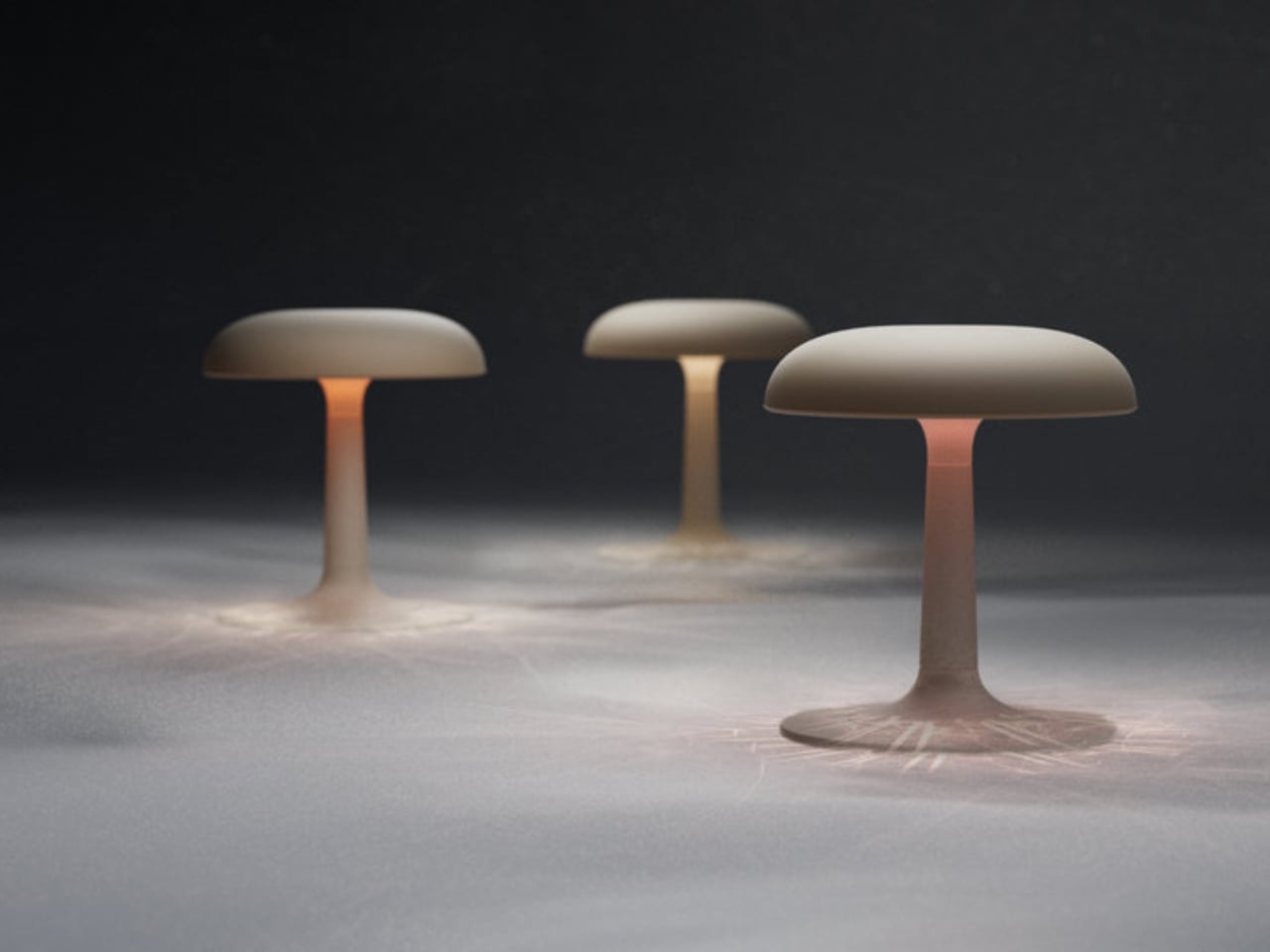
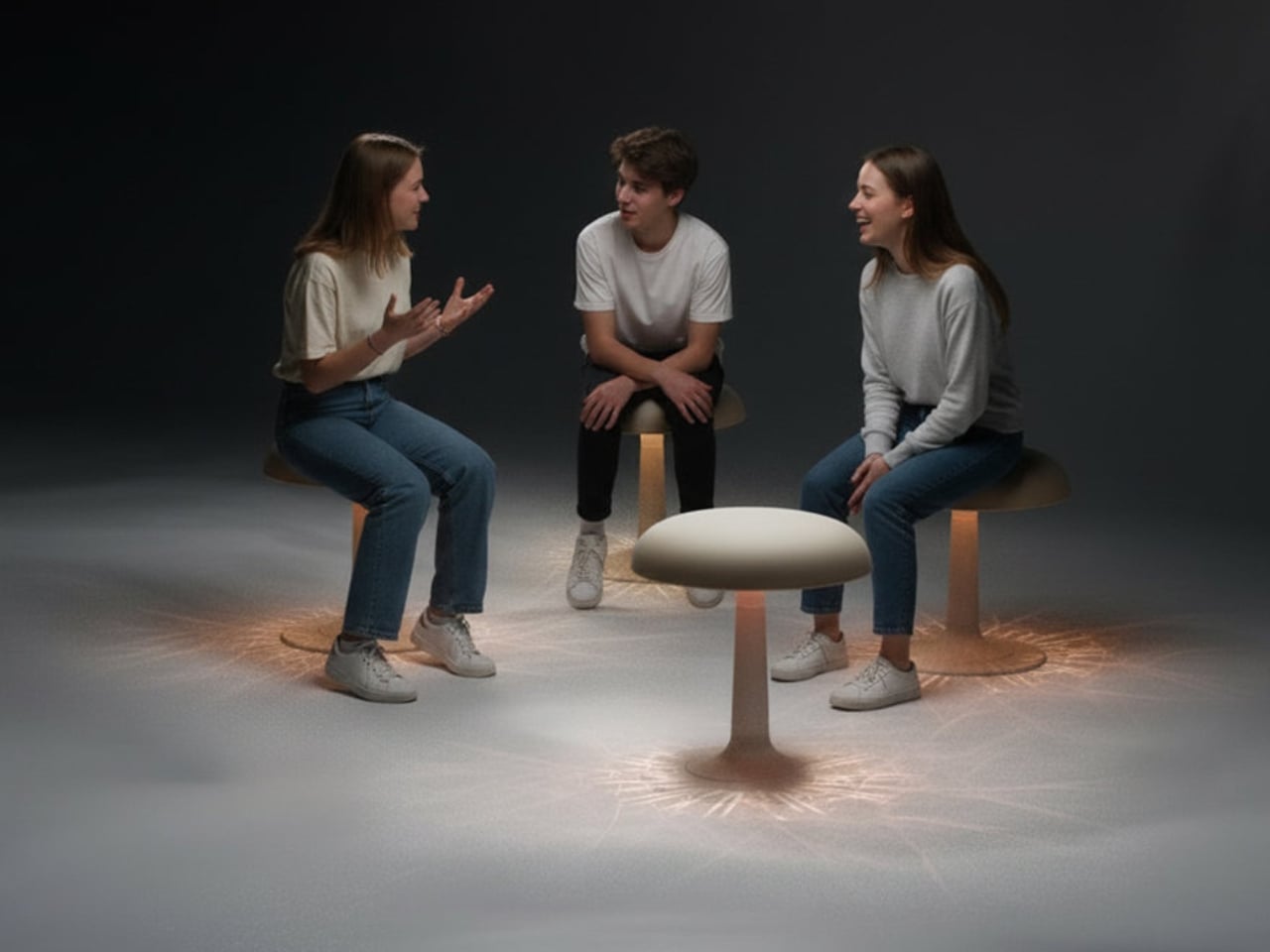
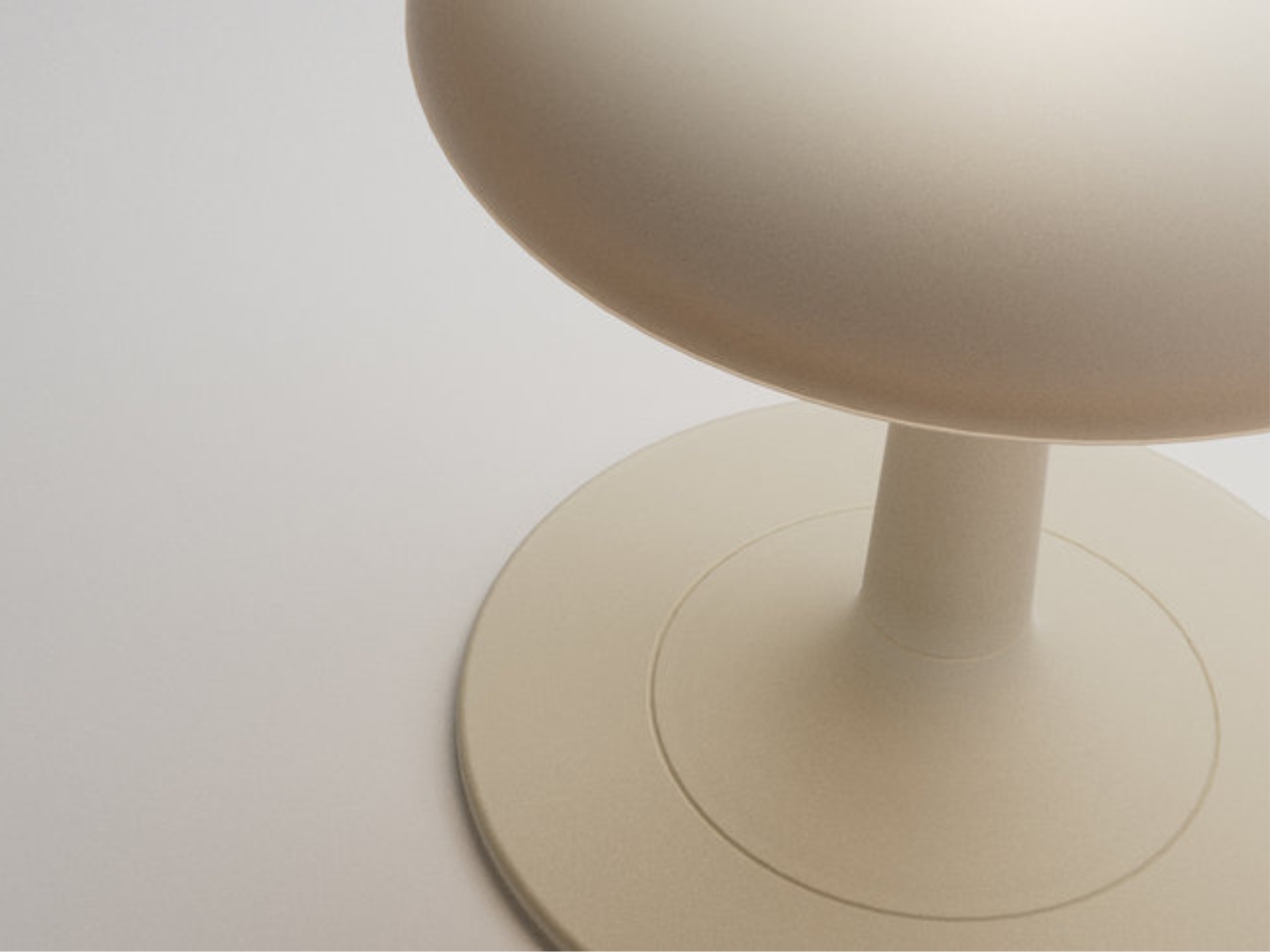
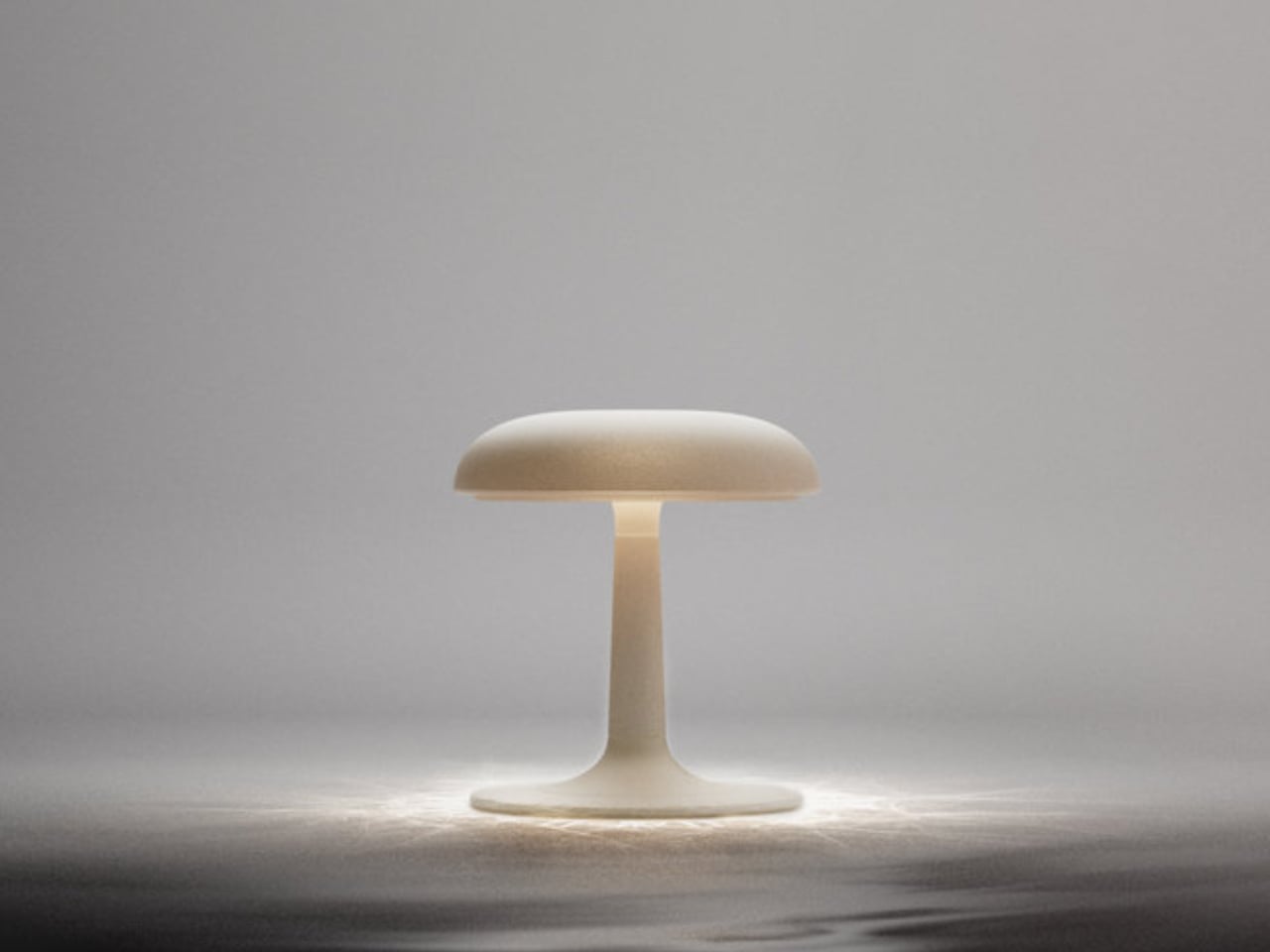
Spore is, on the surface, a seating network. A set of stool-lights, technically. But what makes it compelling isn’t the form, it’s the behavior. Each stool is embedded with pressure and capacitive touch sensors that map the way a person sits. When someone settles in, the stool begins to glow. It reads your posture, your weight distribution, your physical presence, and it responds with light. Then, if someone sits at a nearby Spore stool, something unexpected happens: they synchronize. The lighting across both stools begins to pulse together, a slow warm amber glow that ties two strangers into a shared sensory experience without either of them saying a word.
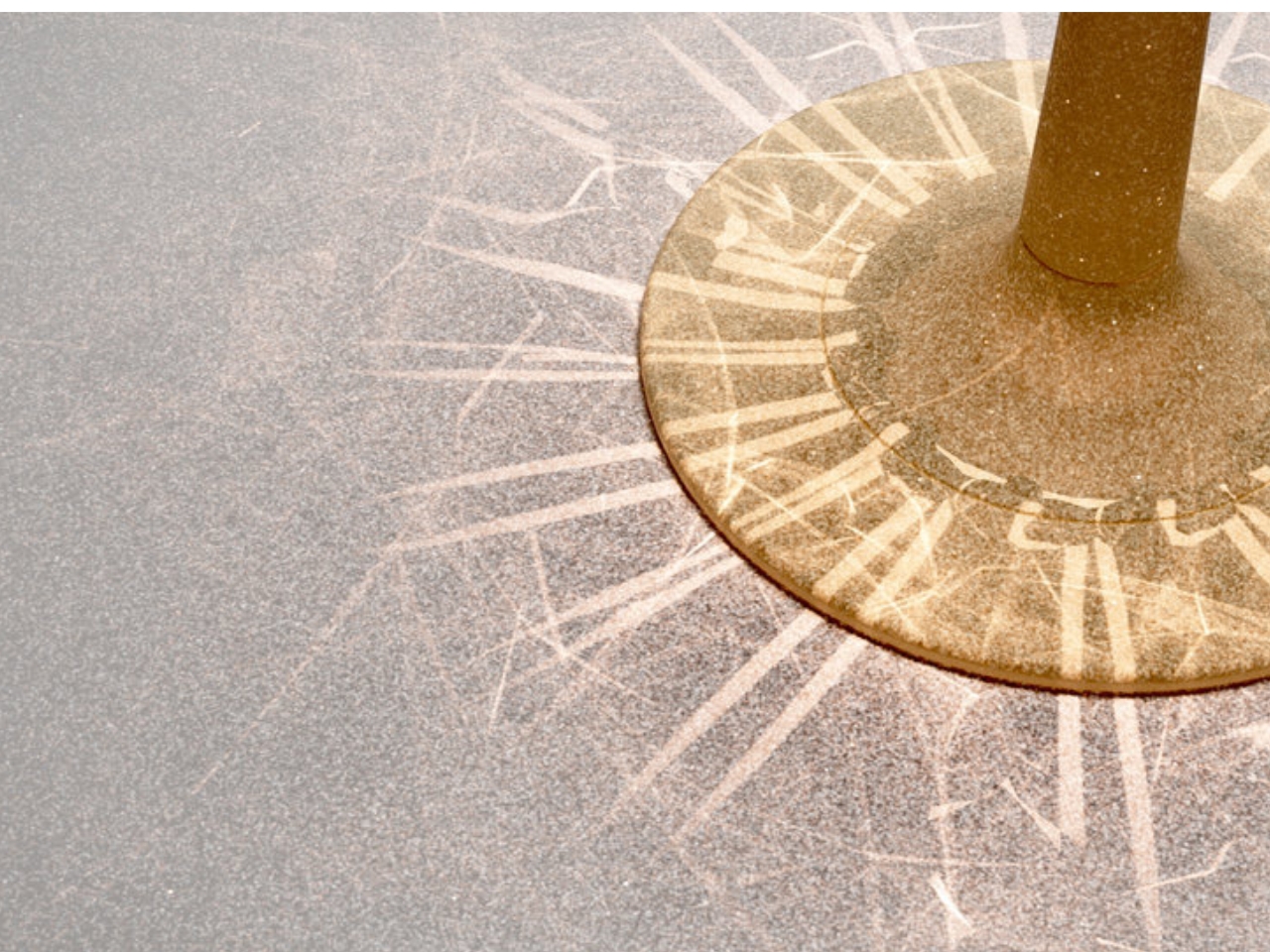
The concept is lifted directly from mycelium, the underground fungal network that connects trees in a forest, allowing them to share nutrients and information across vast distances. It’s a design metaphor that’s been floating around the cultural conversation for a while now, thanks in part to documentaries and the general rise of nature-as-inspiration thinking. But Aryana doesn’t just borrow the metaphor. She uses it structurally. The idea that two separate, self-contained beings can be quietly linked through an invisible network, made visible only through light, is exactly how mycelium works. The translation feels earned.
Spore’s real bet is on non-verbal communication, and that’s where the idea earns its keep. We’re so conditioned to think that connection requires effort, that it needs an introduction or a screen or at least eye contact. Spore suggests something quieter. That two people can share a moment, acknowledge each other’s existence, and feel slightly less alone in the middle of a city, all because a stool noticed they were both sitting down. It doesn’t force anything. It just opens a door.
That restraint is where good interaction design lives, and it’s harder to achieve than it looks. Plenty of “smart” furniture concepts collapse under the weight of their own features, too many sensors, too much data, too much demand on the user to understand what’s happening. Spore sidesteps all of that by keeping the interaction instinctive. You sit. The light changes. You notice the person next to you is glowing the same color. That’s it. The simplicity is the point.
I’ll also say this: the timing matters. Urban loneliness has become one of those issues that shows up in public health conversations now, which is a sign of how serious it’s gotten. Cities are denser than ever, but connection in them often feels more transactional and less organic. Spore doesn’t pretend to solve that in any sweeping way. But it does offer a model for how designed environments could at least stop making things worse, how furniture could be neutral rather than indifferent, sensory rather than sterile.
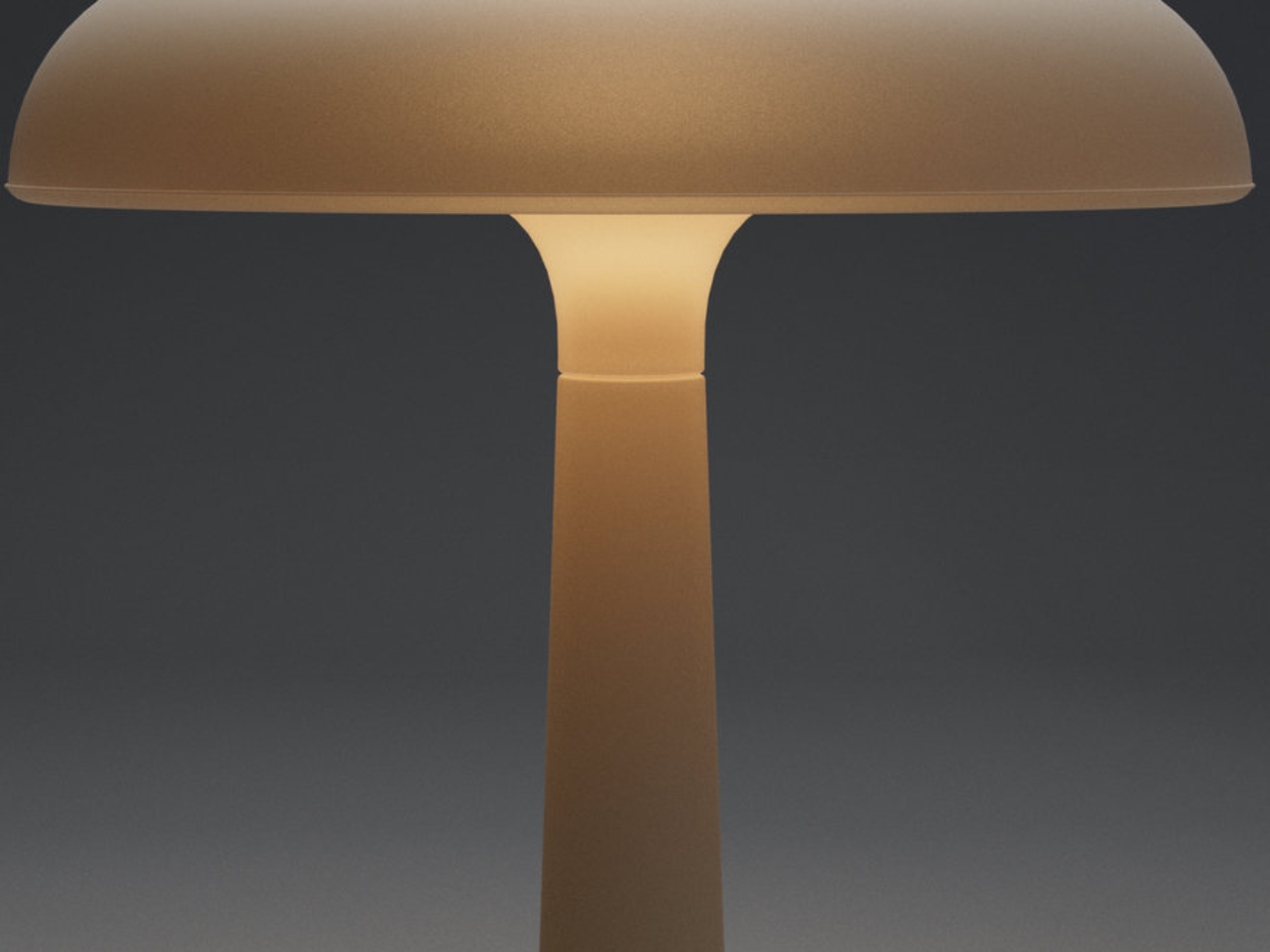
Aryana is a student, which means Spore is still a concept. It hasn’t been tested at scale, and the jump from prototype to real public infrastructure is not a small one. But some of the most important design conversations start exactly here, with a single idea that reframes what a familiar object is capable of. A stool is a stool until someone decides it could be something more. Spore makes the case that public furniture doesn’t have to be passive, that the spaces between strangers don’t have to feel so empty, and that maybe the forest has been doing something right all along.
The post A Student Designed Stools That Glow When Strangers Connect first appeared on Yanko Design.
from Yanko Design



0 Comments