
If you’ve never thought about bacteria as a design material before, Cenit might be the thing that changes that for you. The latest lighting collection from the collaboration between biotechnology company Polybion and Mexico-based design studio Natural Urbano is doing something genuinely different from what most lighting brands are doing right now, and it’s worth paying attention to.
To understand Cenit, you have to know a little about what came before it. Lapso was their first major collaboration: a sculptural pendant lamp handcrafted from five sheets of cultivated bacterial cellulose, a translucent, flexible material called Celium that Polybion grows using bacteria. Not synthetically manufactured. Not extracted from a forest. Grown, from bacteria, using agricultural waste. Lapso was already a bold statement when it debuted at the London Design Festival in 2025. Each lamp came with a certificate of authenticity and a two-month production lead time, because you can’t rush biology.
Designers: Polybion x Natural Urbano
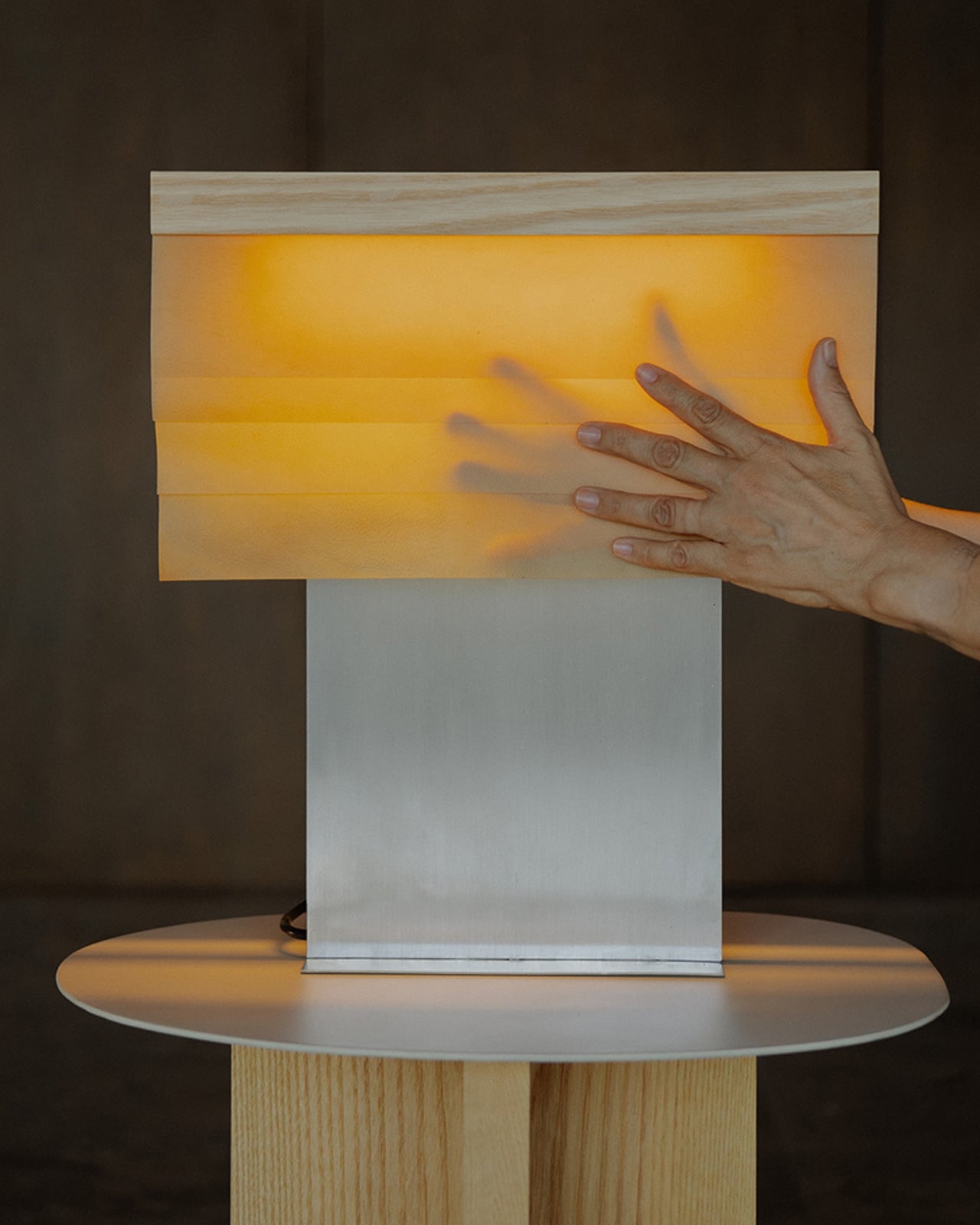
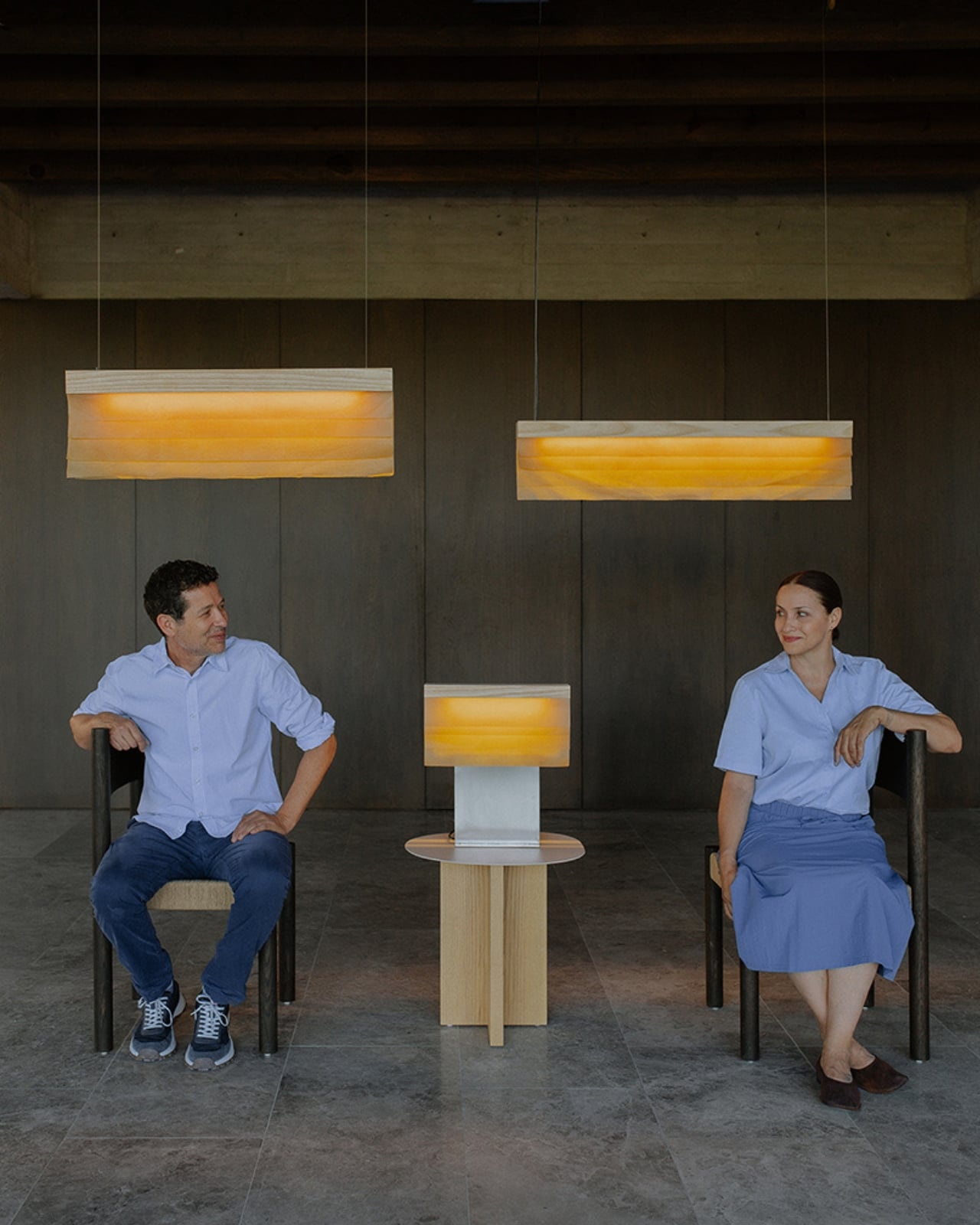
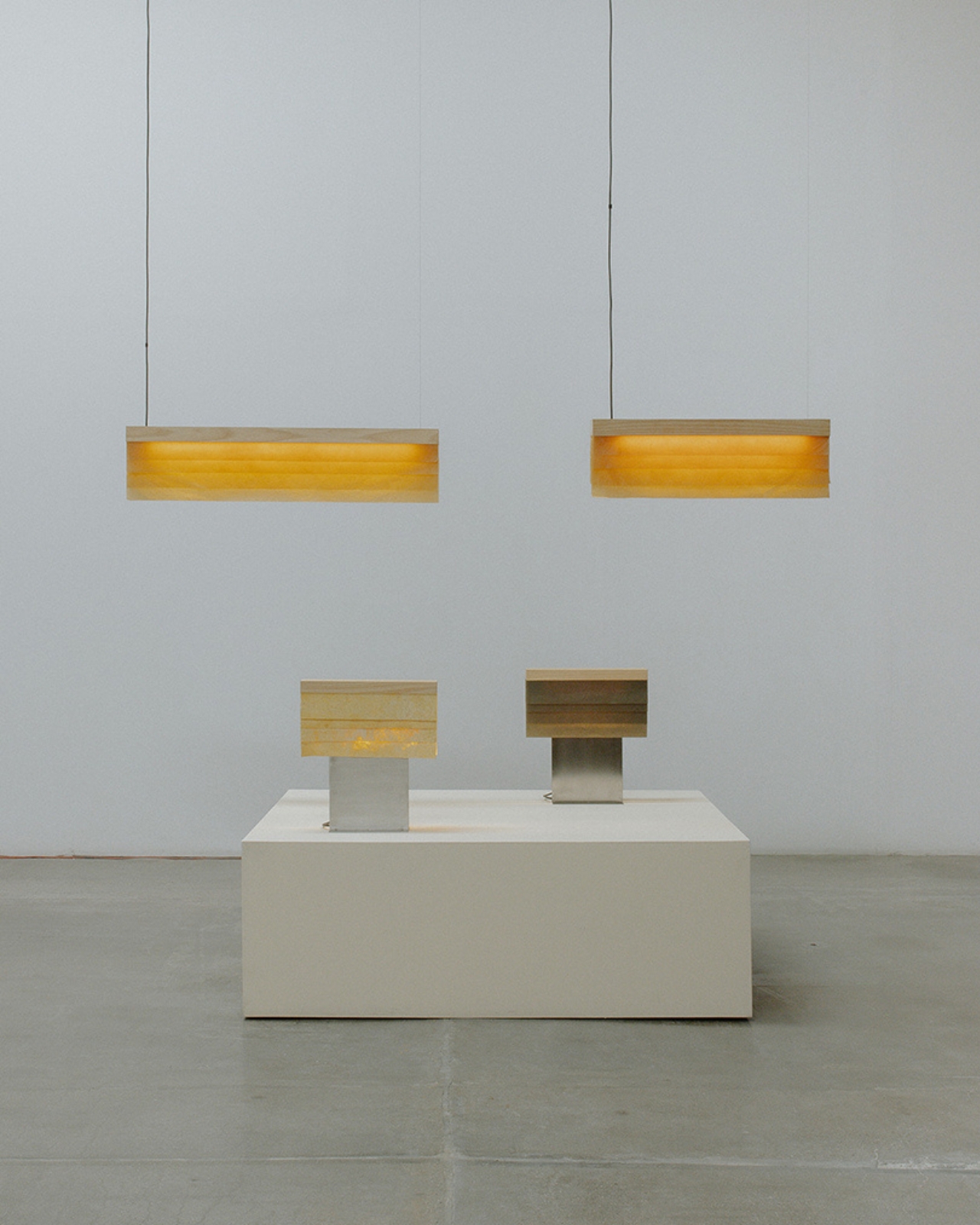
Cenit follows that same philosophy but takes it further. For the first time, the duo has combined Celium with natural ash wood and stainless steel, bringing the material into a more structured, versatile family of lighting objects. The collection comes in both pendant and table formats, which is a smart move that Lapso didn’t make. Lapso was undeniably sculptural, a piece you’d plan a room around. Cenit feels like it wants to live with you in your home across different spaces and moods, without demanding all the attention in the room.
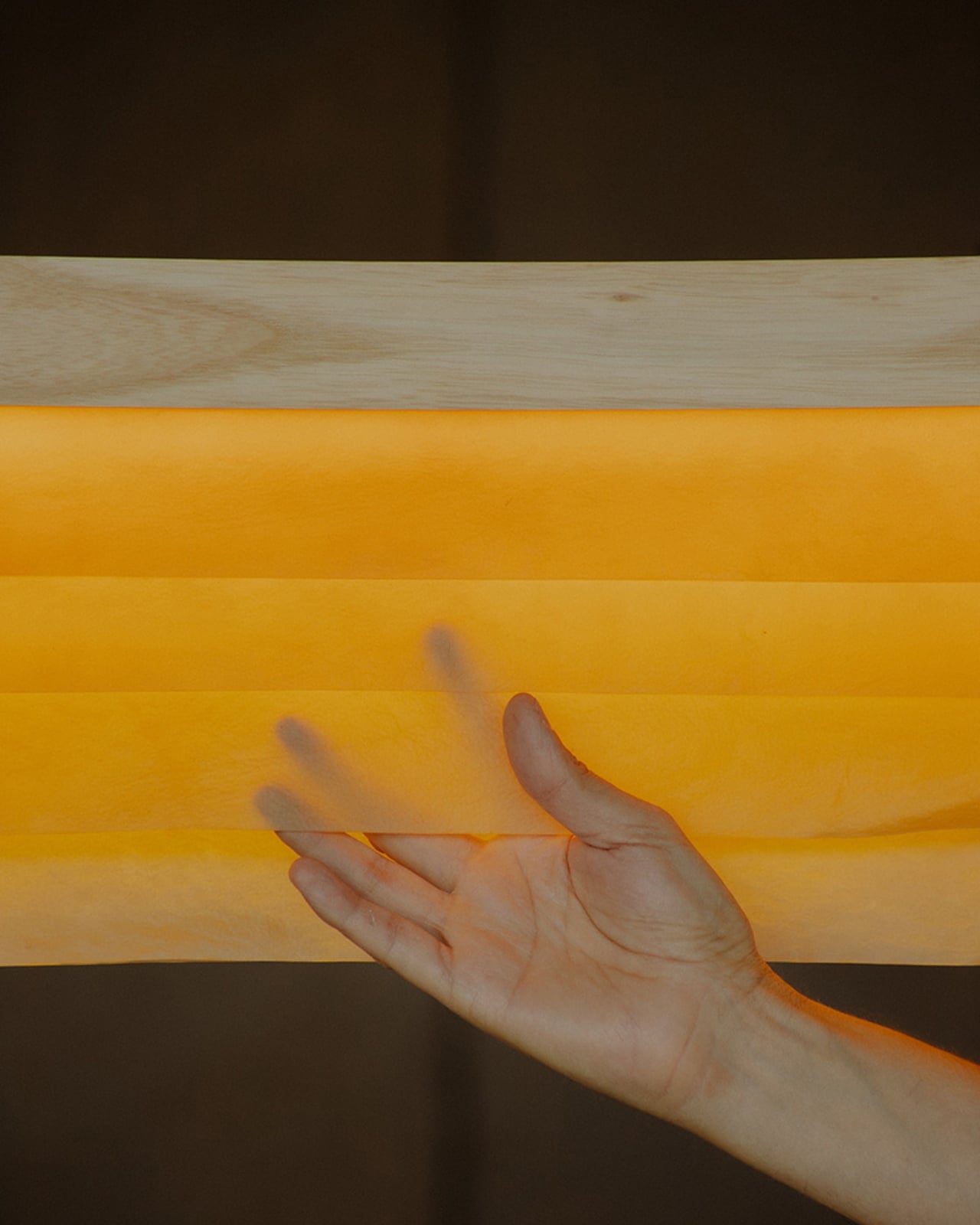
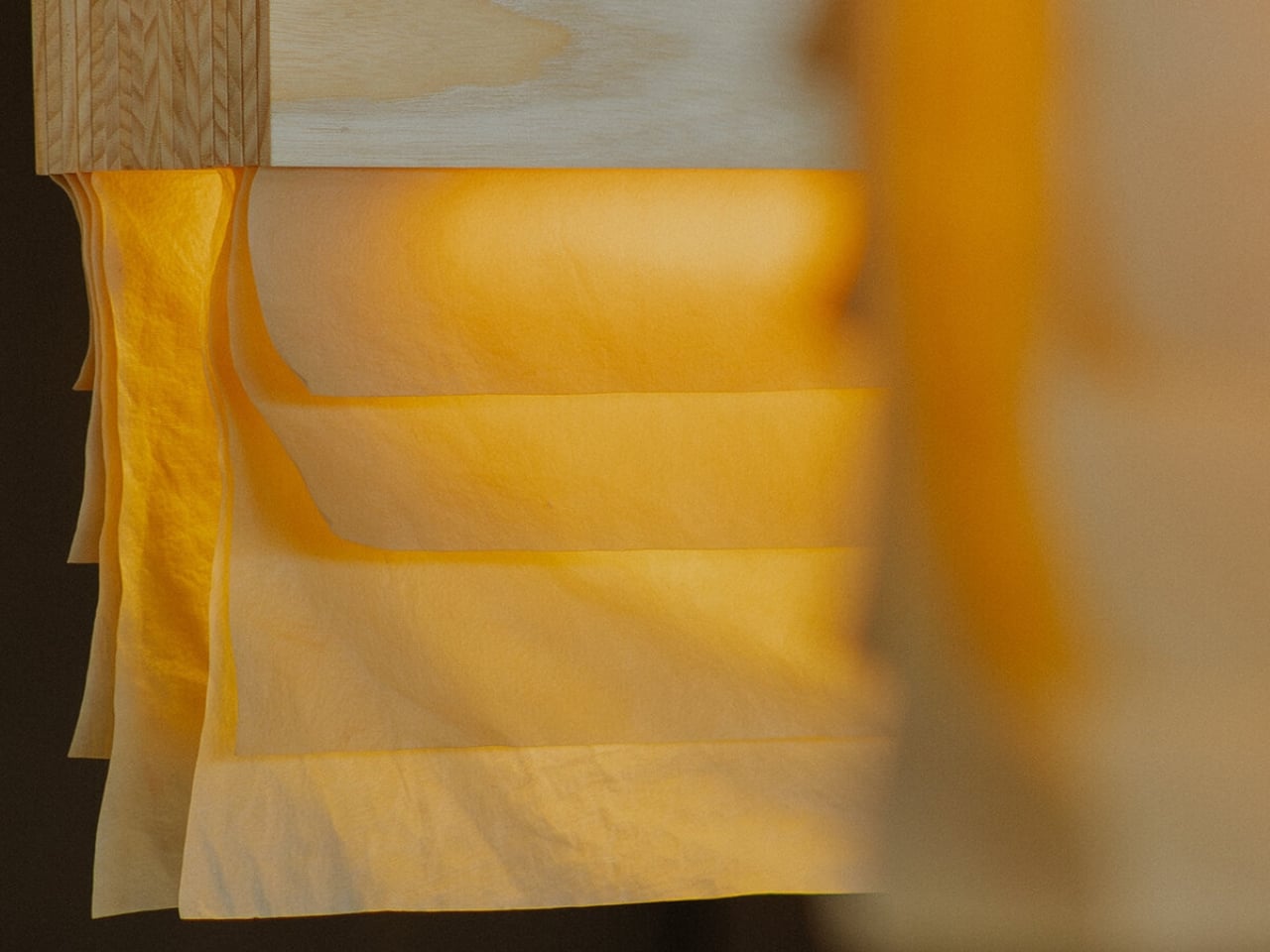
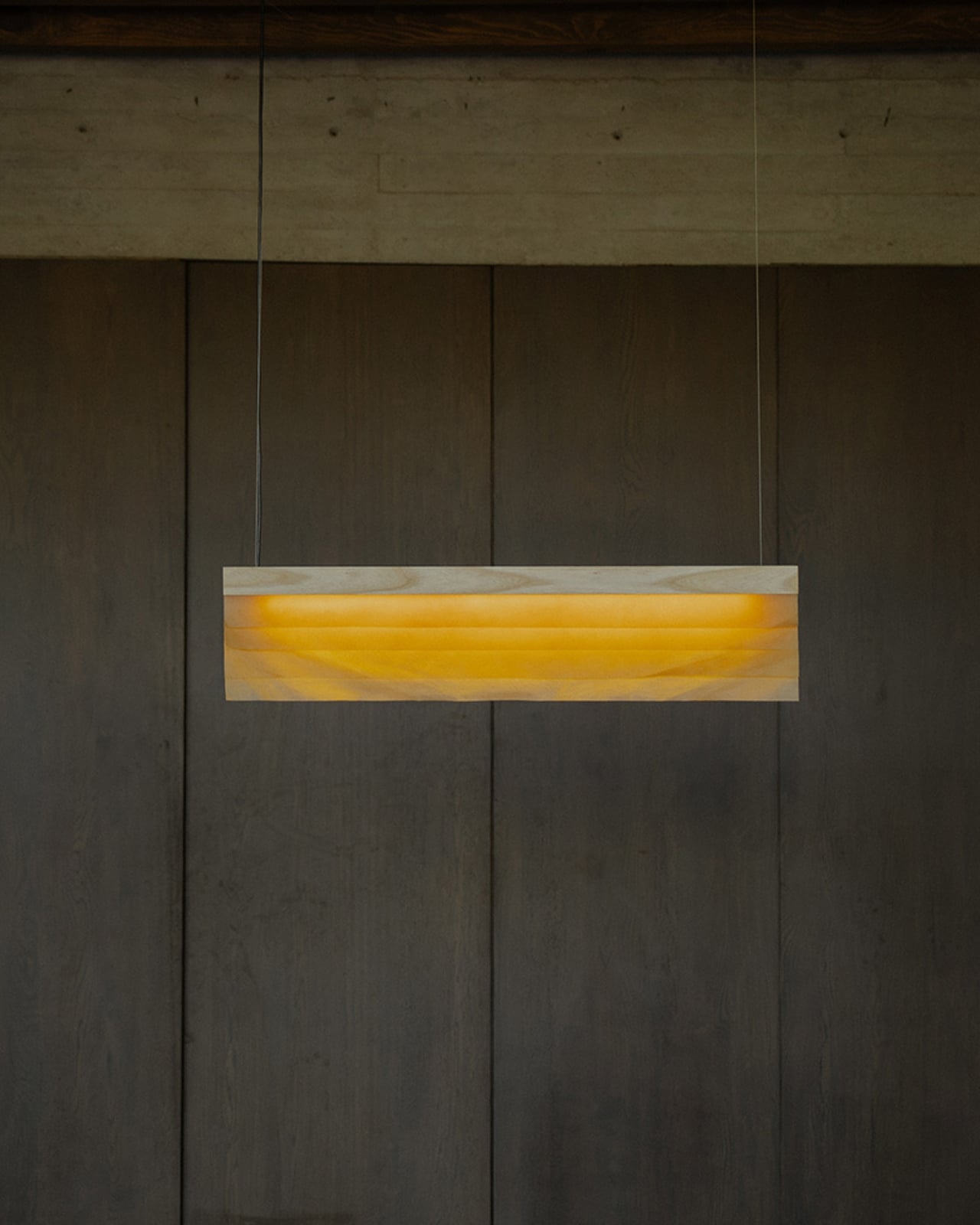
The specific variant used here is Celium Manto, layered in a way that calls to mind the gradients of a horizon. The collection’s name, Cenit, means zenith in Spanish, the highest point in the sky, and the visual reference lands. When light passes through the layered cellulose, it does something that no synthetic material can fully replicate. It glows with an organic warmth, the kind you usually only get from paper or natural stone, but lighter and more alive-feeling.
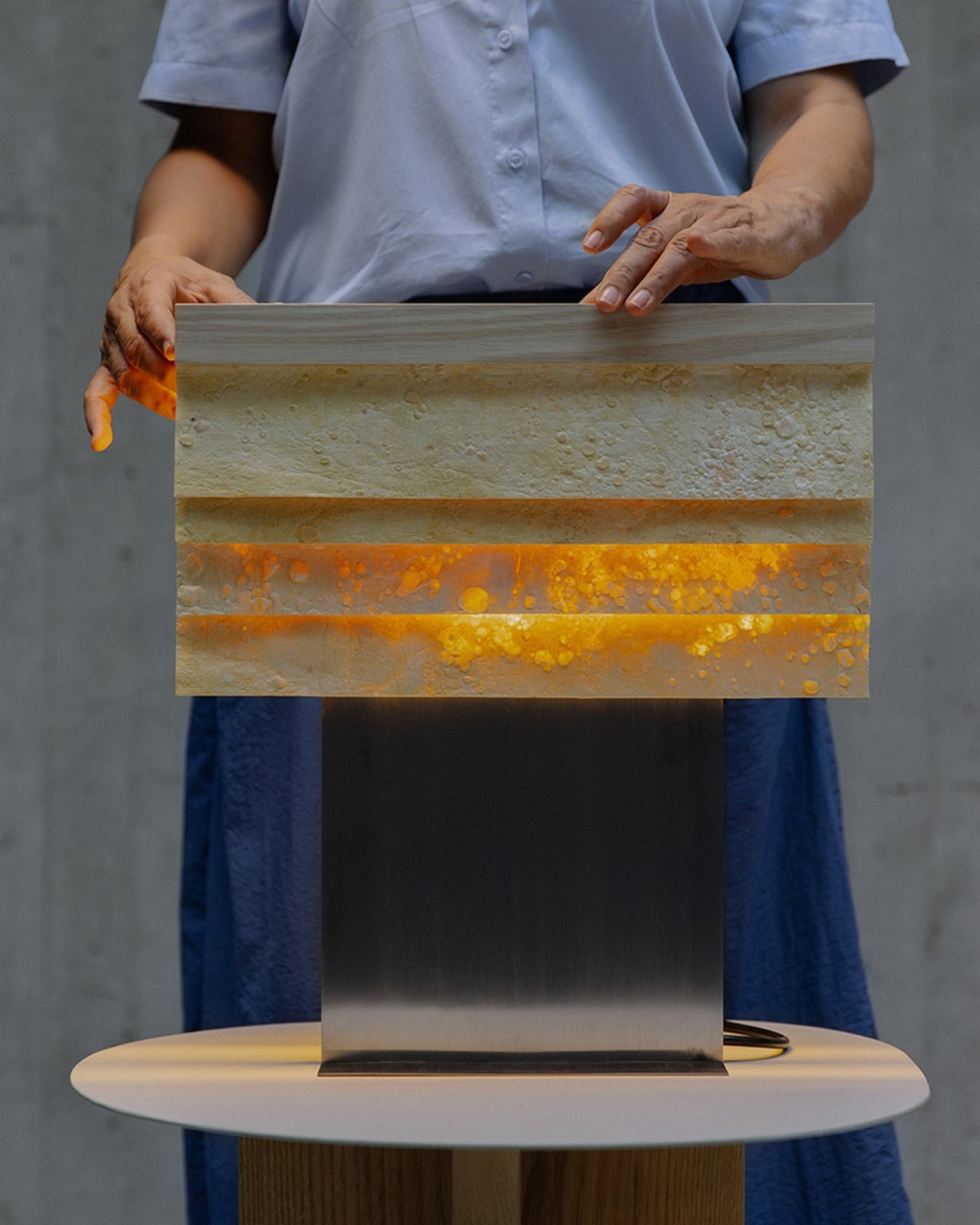
A lot of sustainable design still requires us to compromise somewhere. Rougher edges. Less refined finishes. A feeling that the eco-credentials come at the cost of beauty. Cenit does not ask that of you. The combination of ash and Celium Manto is genuinely beautiful, in a way that’s considered and deliberate rather than rustic or raw. The stainless steel elements give it structure without weight. The ash brings warmth without heaviness. And the cellulose does what it always does in Polybion’s hands: it makes you stop and look.
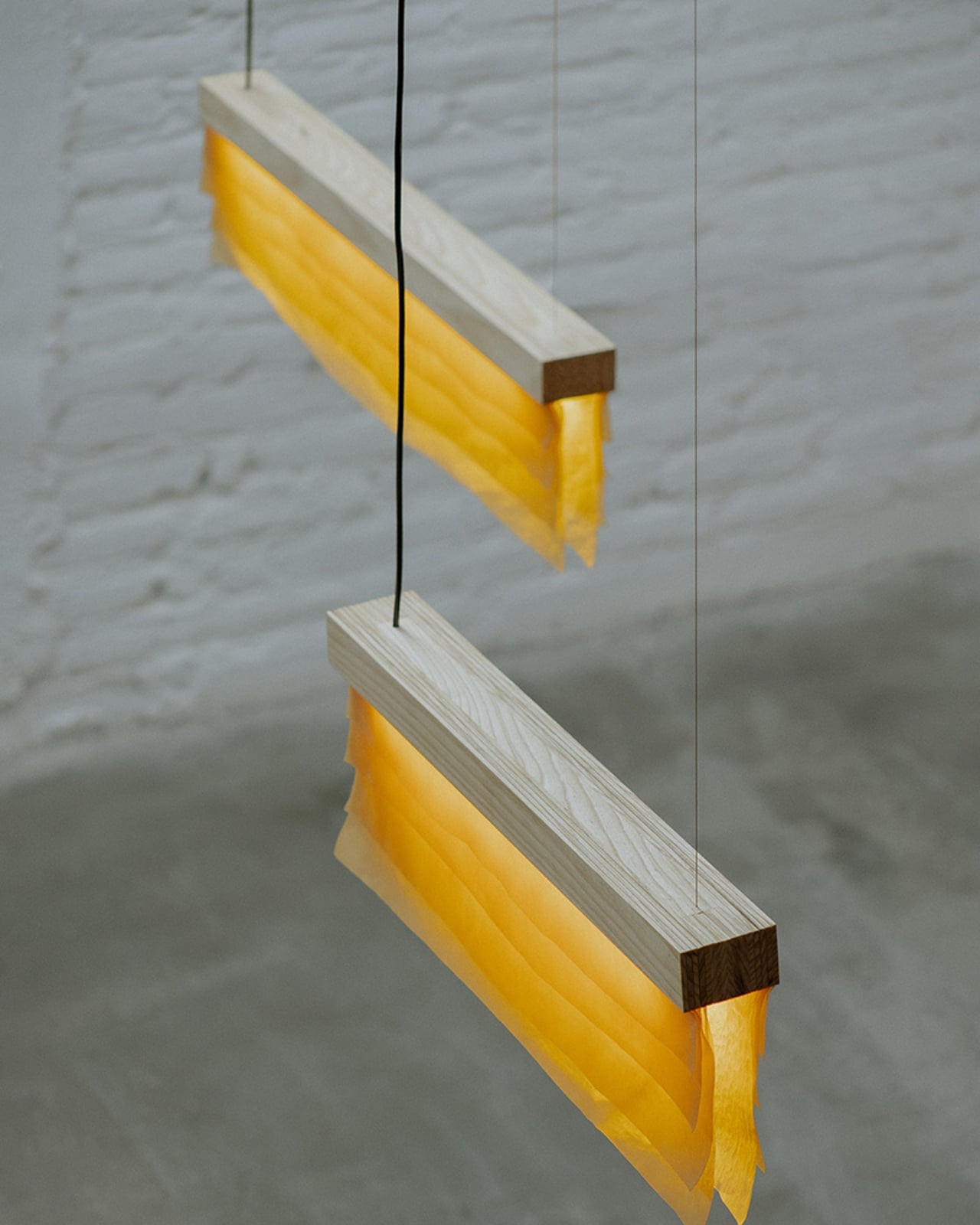
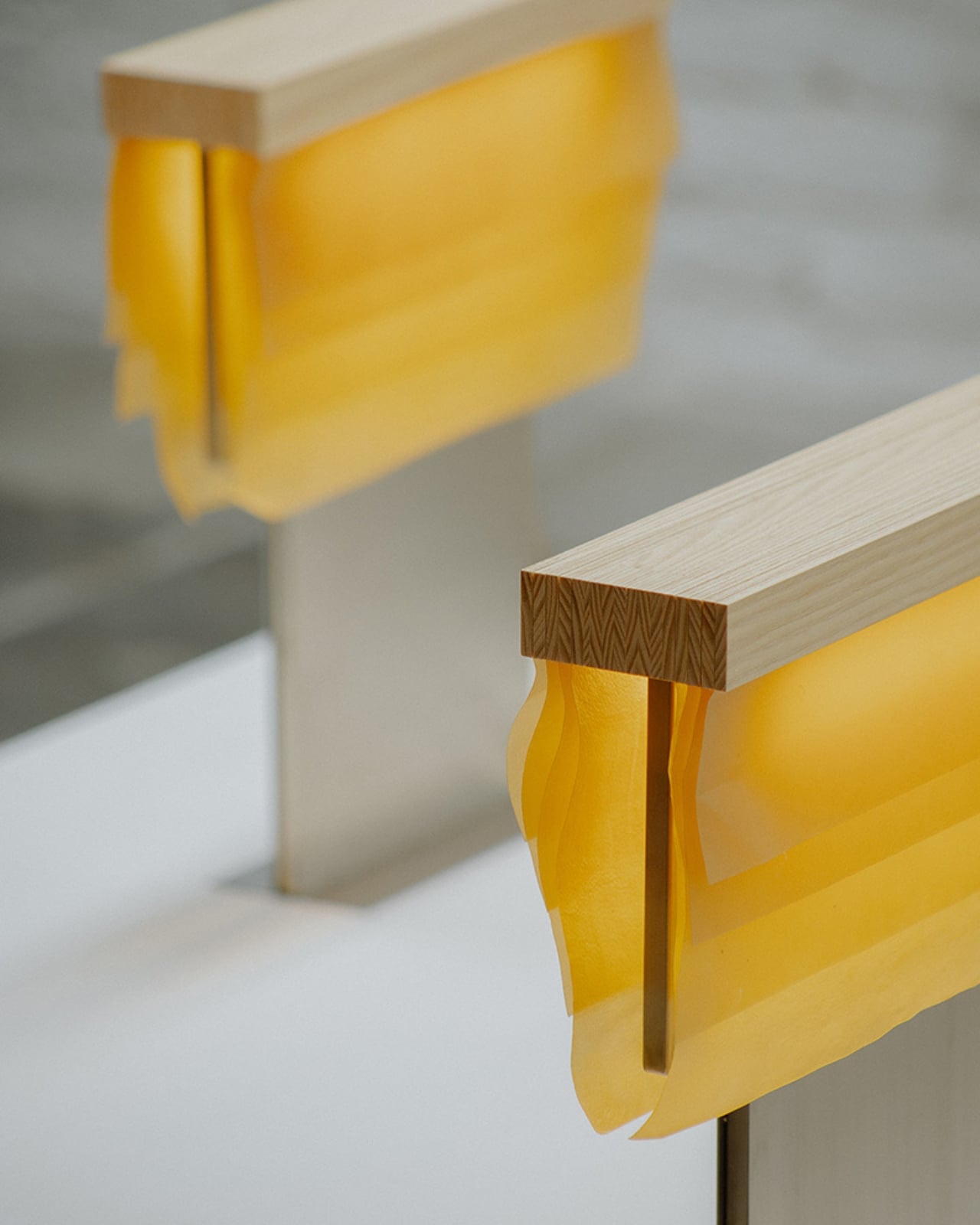
Beyond the material, what makes this collaboration particularly interesting is where it’s coming from. Natural Urbano, founded by Sebastián Beltrán and Lorena Márquez, and Polybion, based in Guanajuato, are actively positioning Mexico as a place where design and biotechnology meet at a serious, global level. That’s not a small thing. The conversation about sustainable and biofabricated design has historically centered on European studios and Scandinavian minimalism. Watching a Mexican collaboration work at this level, with this degree of craft and material innovation, feels significant.

The pendant and table formats in Cenit also suggest that Polybion and Natural Urbano are thinking about a longer game. Moving from a collectible sculptural piece like Lapso into a more scalable, multi-format collection points to the kind of ambition that doesn’t just want to make a beautiful object. It wants to change what beautiful objects are made from, and it’s doing that without sacrificing the craft or the story behind the material.
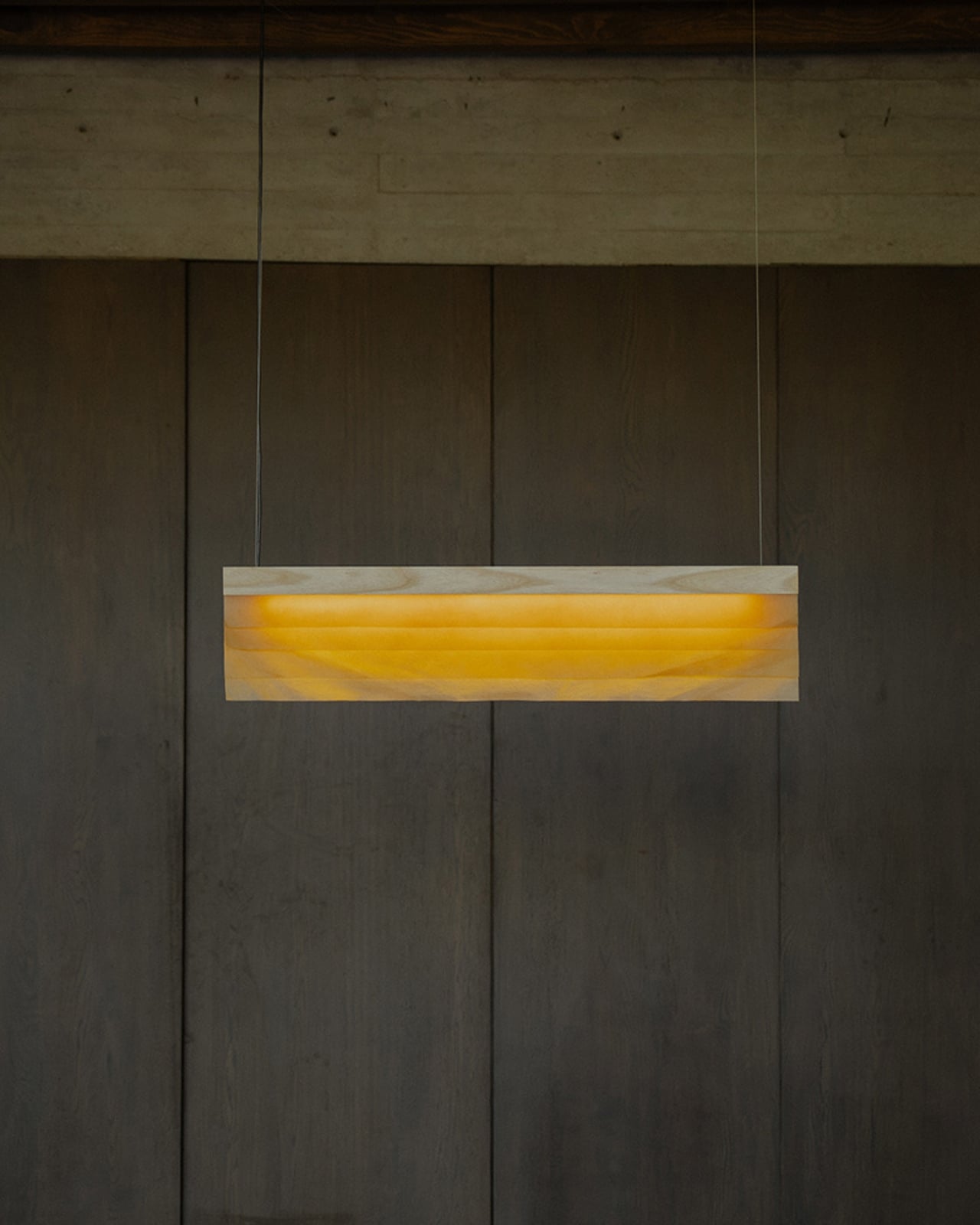
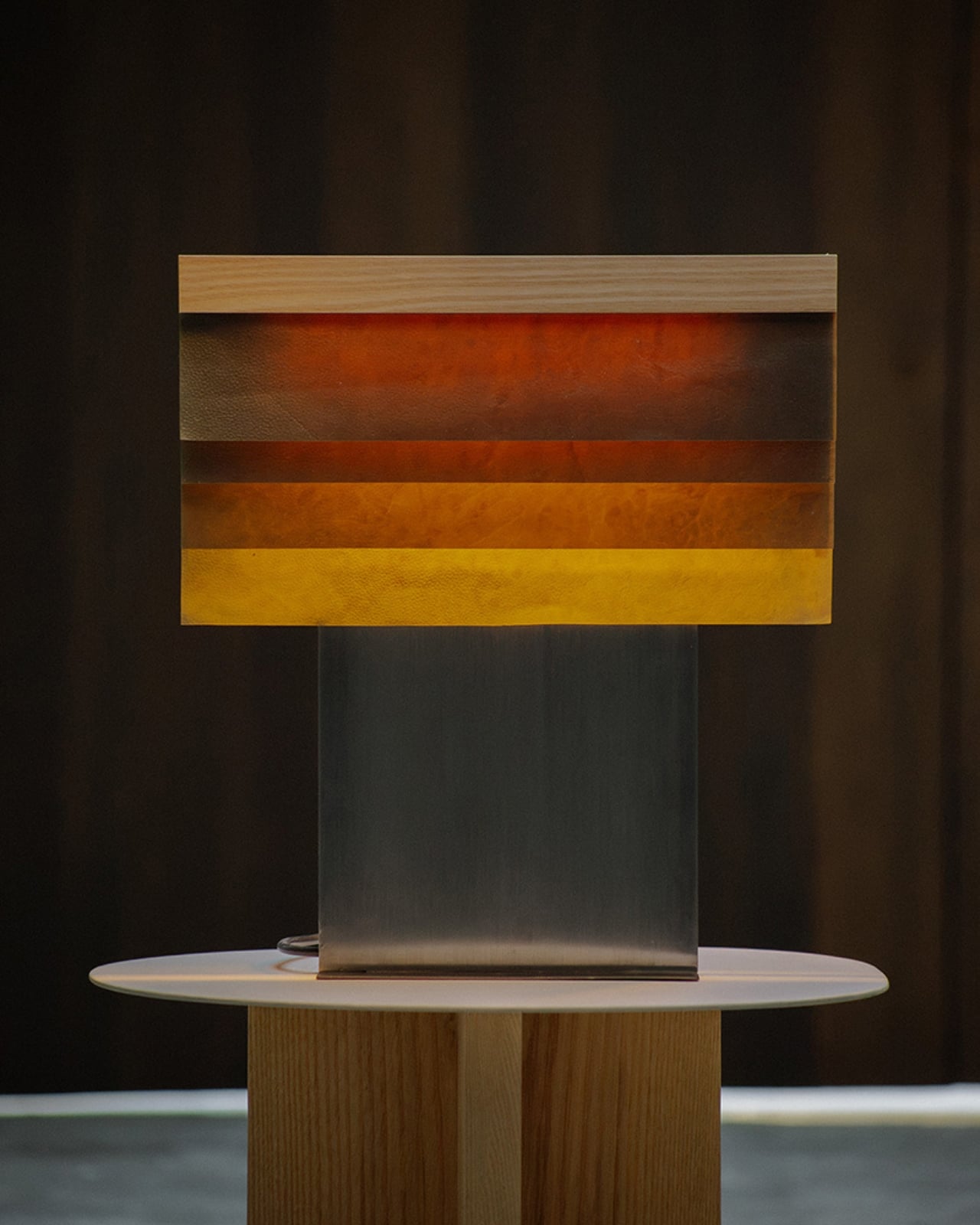
Biofabricated materials are still a niche, but collections like Cenit make the niche feel a lot less obscure. When something looks this considered and lives this comfortably in a real interior, it becomes a lot easier to imagine a future where Celium shows up in more homes, more spaces, more everyday things. Cenit is the kind of work that makes you want to ask more questions about what your objects are made of, and that, as far as I’m concerned, is exactly what good design is supposed to do.
The post Meet The Lamp That’s Actually Grown, Not Made first appeared on Yanko Design.
from Yanko Design



0 Comments