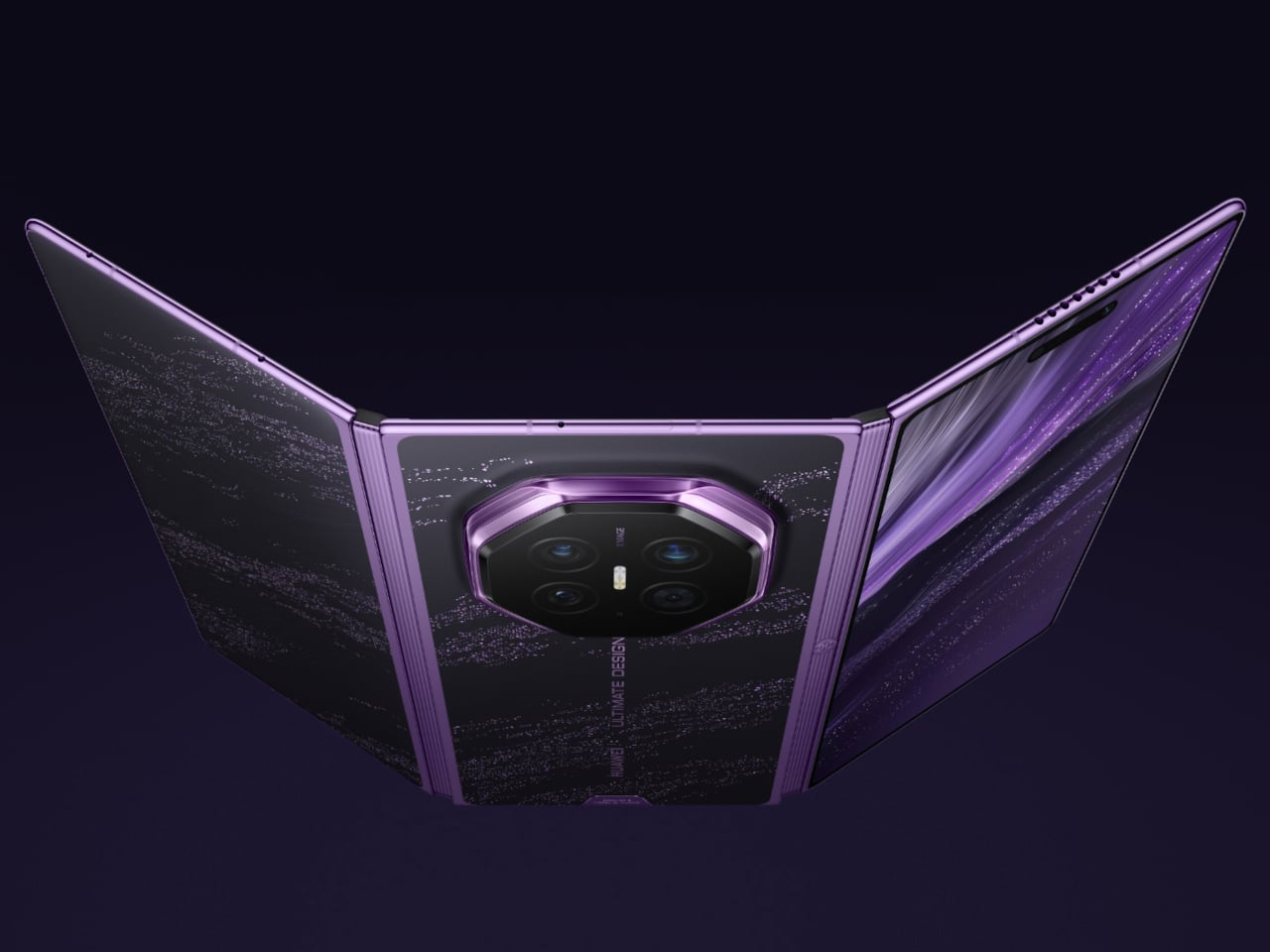
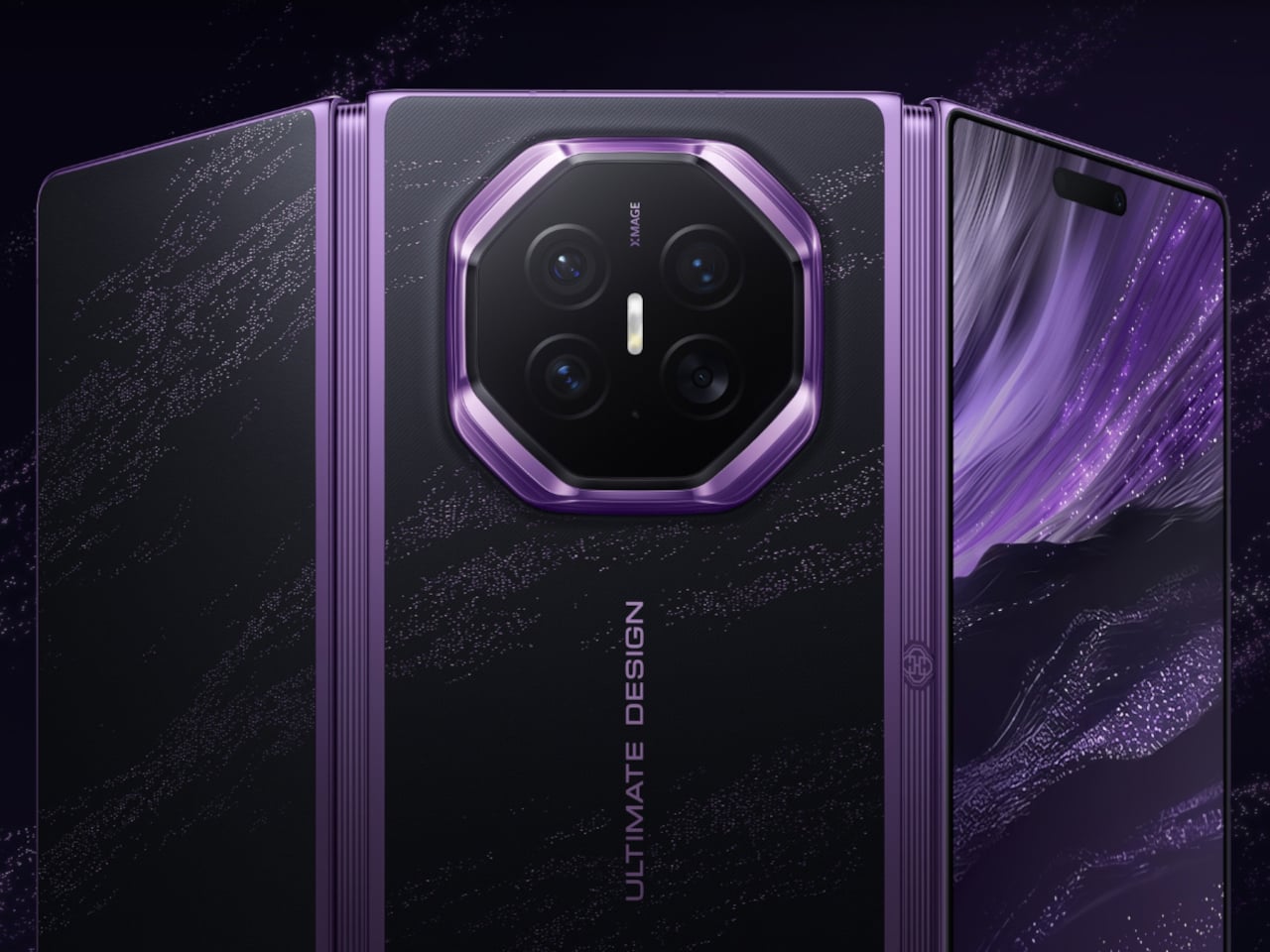
Huawei’s original tri-fold phone made headlines for unfolding into a tablet, but closing it back down left one part of the flexible screen exposed to scratches and pocket grit. The Mate XT 2 Ultimate Design fixes that flaw at the architecture level, not with a case. Instead of the old zigzag fold, a new wing-style hinge tucks both sides of the screen inward, so every part of the display faces itself once it’s closed.
That trick rests on a second-generation hinge system built around a dual-axis wing structure and an industry-first connecting-rod synchronization mechanism, keeping both folding axes moving in perfect step. The load-bearing core uses 2,400 MPa steel arranged in a five-arm arc, an upgrade that pushes overall impact resistance up 100 percent and drop resistance up 90 percent compared to the outgoing model.
Designer: Huawei
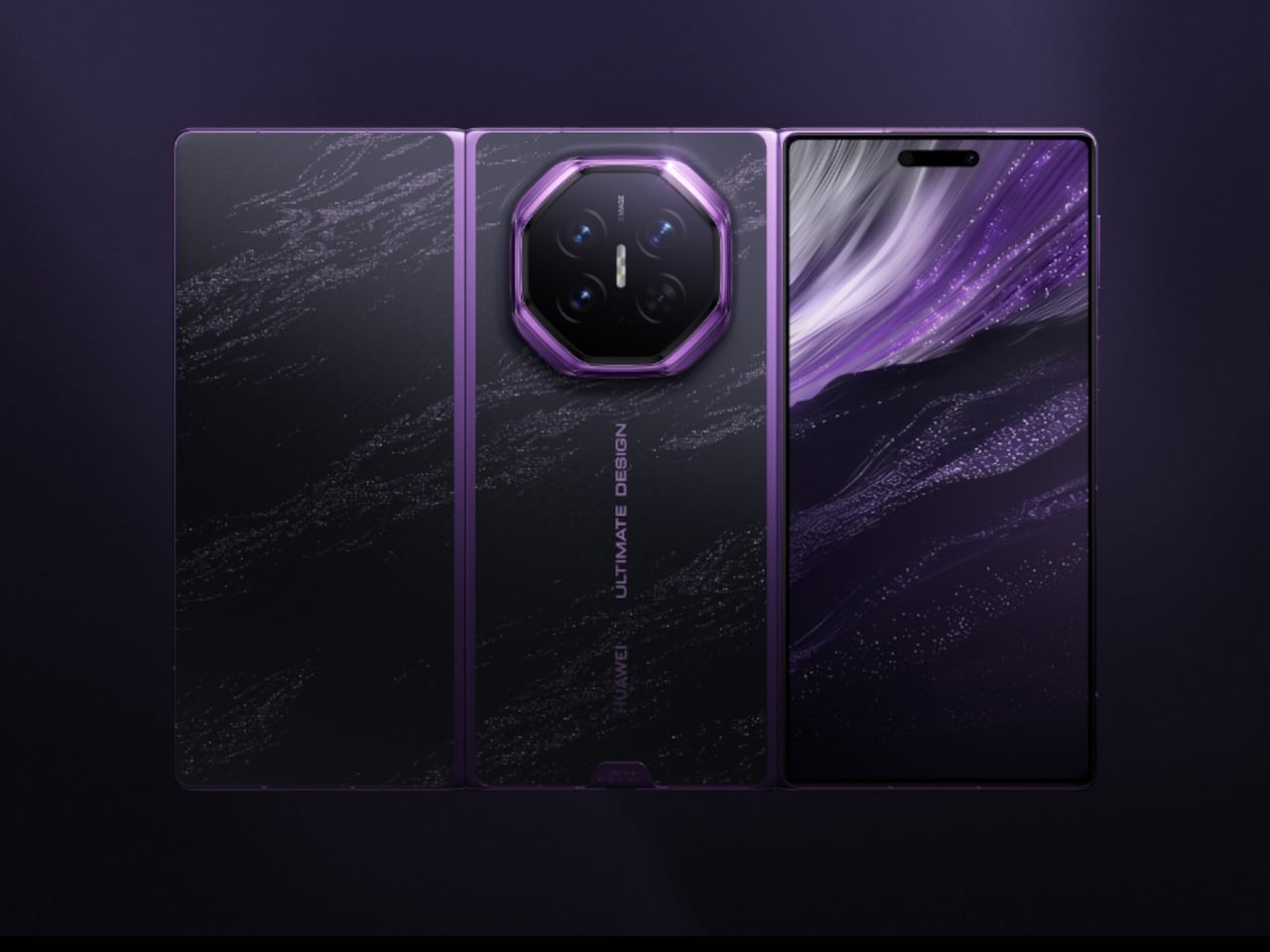
Unfold it fully, and a 10.2-inch 3K OLED panel spreads out at a 90Hz refresh rate, easily the largest screen tri-fold owners have gotten yet. Keep it folded and a 6.5-inch cover display takes over instead, running at 120Hz with peak brightness reaching 6,500 nits. Switching between the two feels less like opening a phone and more like choosing between a notebook and a full tablet.
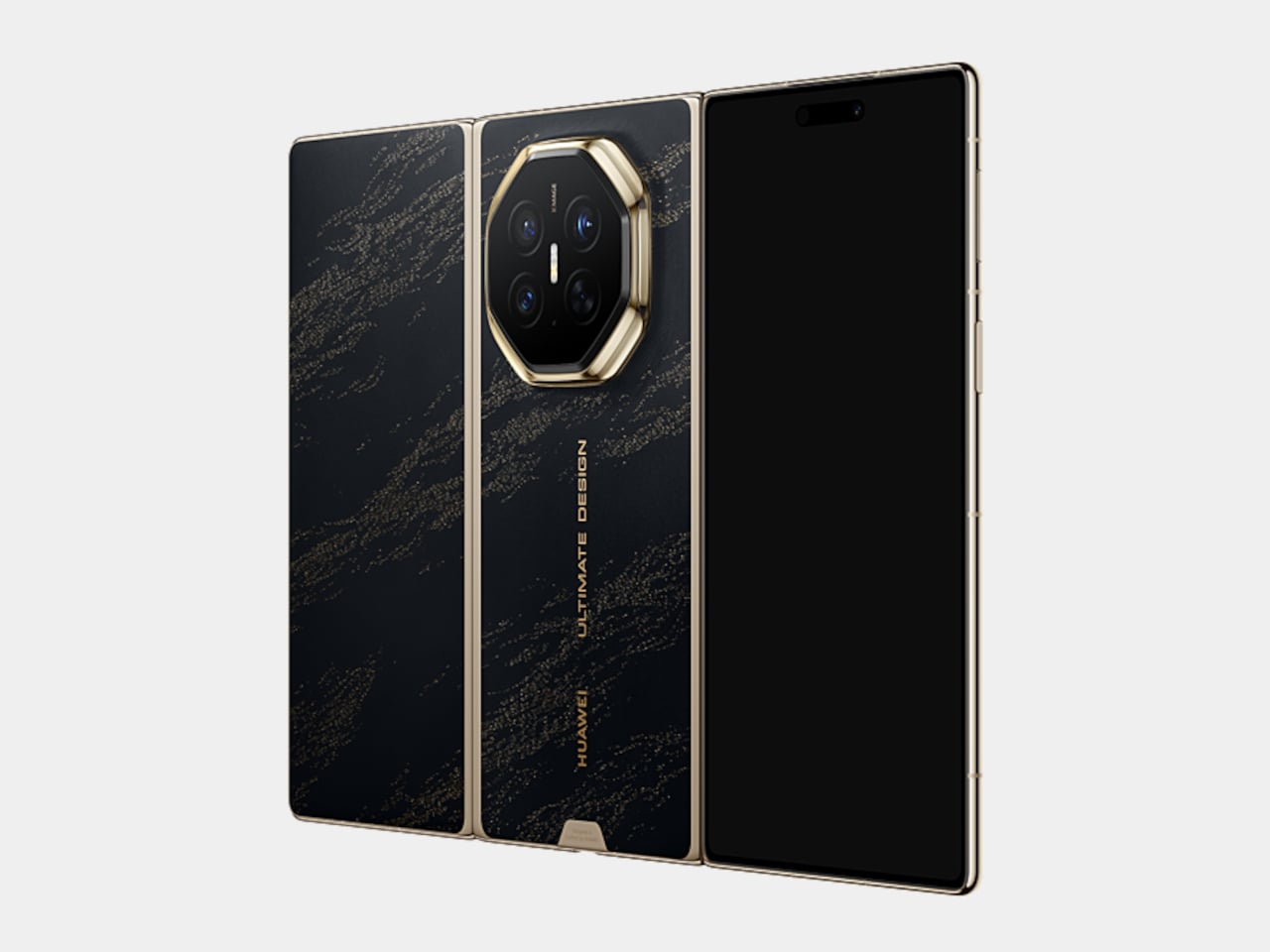
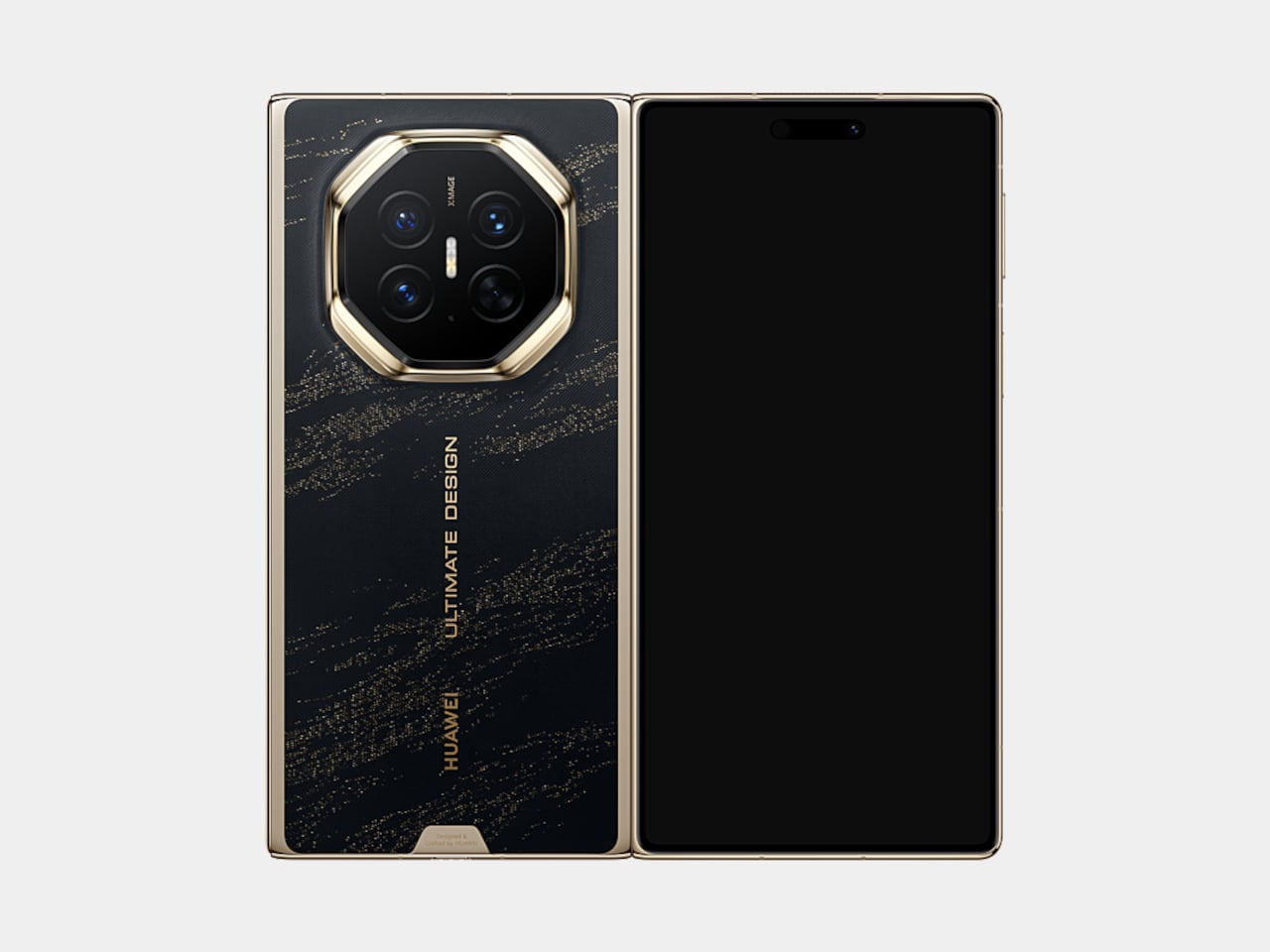
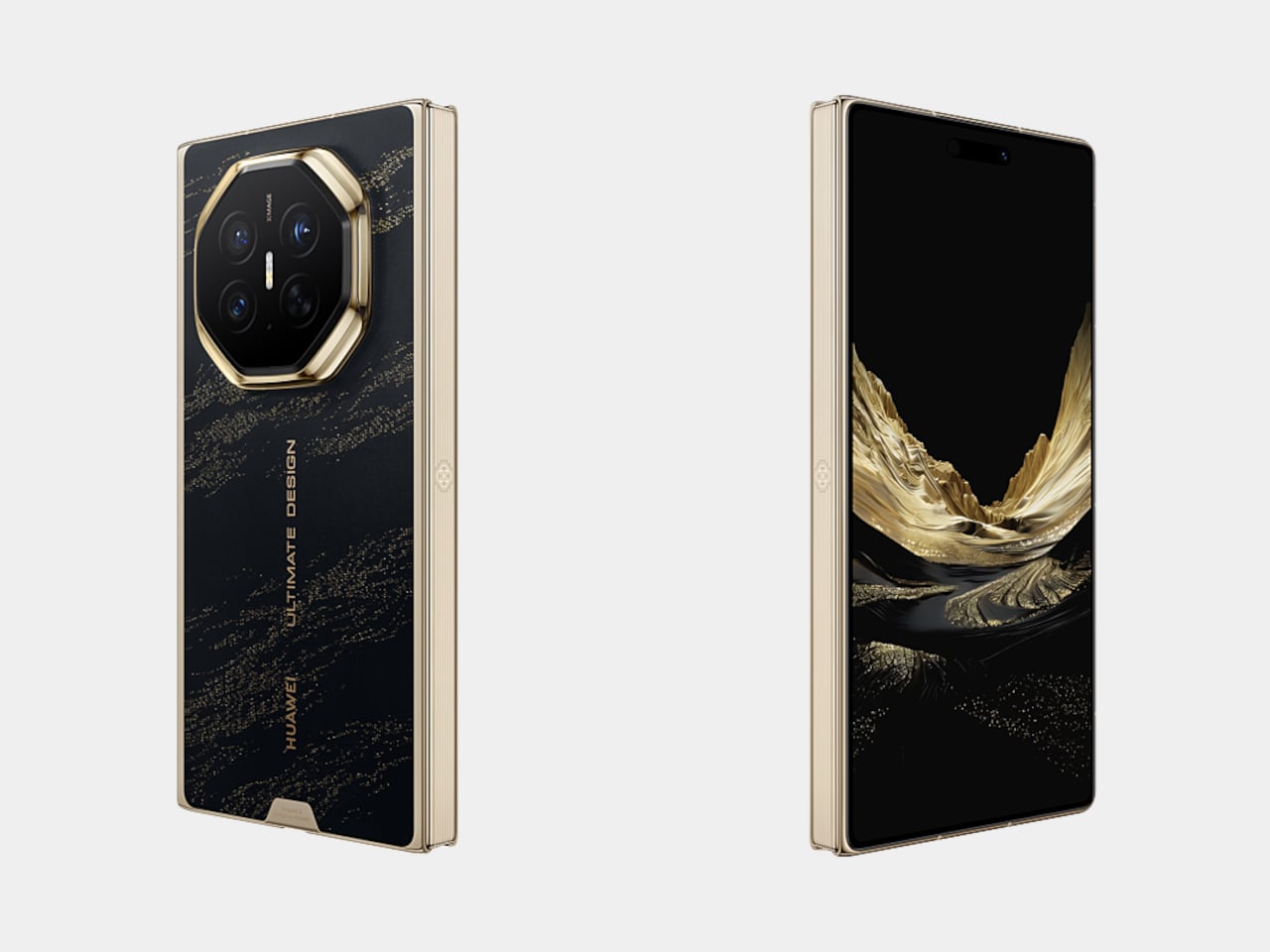
A hardware privacy mode sits at the center of that inner display too, using an independent dual-pixel design that narrows the viewing cone from the sides while keeping the view sharp head-on. A double tap on the cover screen or a dedicated shortcut key switches it on, so a crowded train seat or an open-plan desk doesn’t turn into a screen-sharing session anyone asked for.

Protection extends to the materials themselves. The cover glass gets a Kunlun treatment that survives 30 times more drops and 16 times more scratches than ordinary glass, while the inner screen layers ultra-thin aerospace-grade steel and carbon fiber beneath the display for 200 percent better impact resistance. Over 120 sealing points across the body also make this the first tri-fold rated IP58 and IP59 for dust and water.
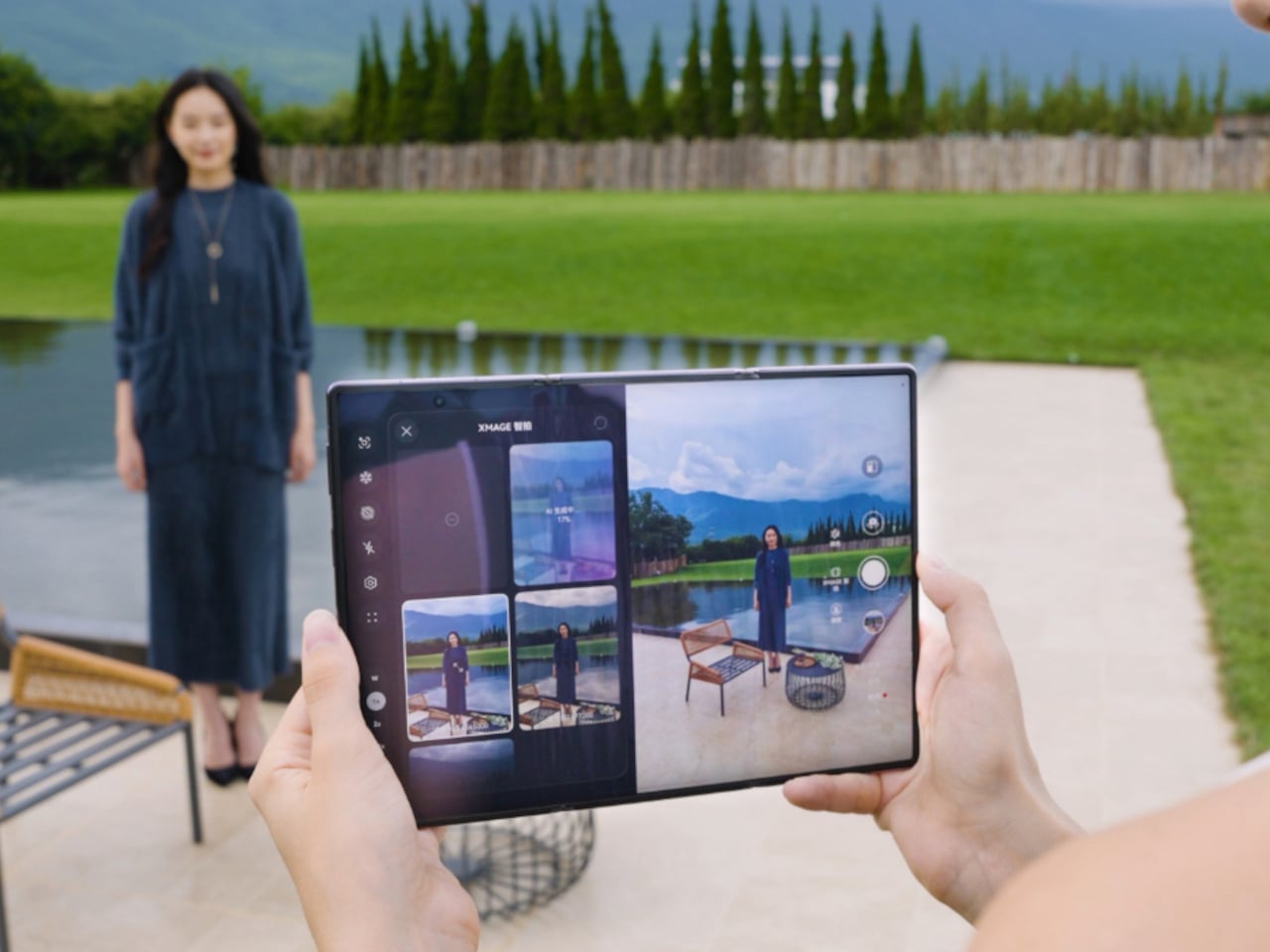
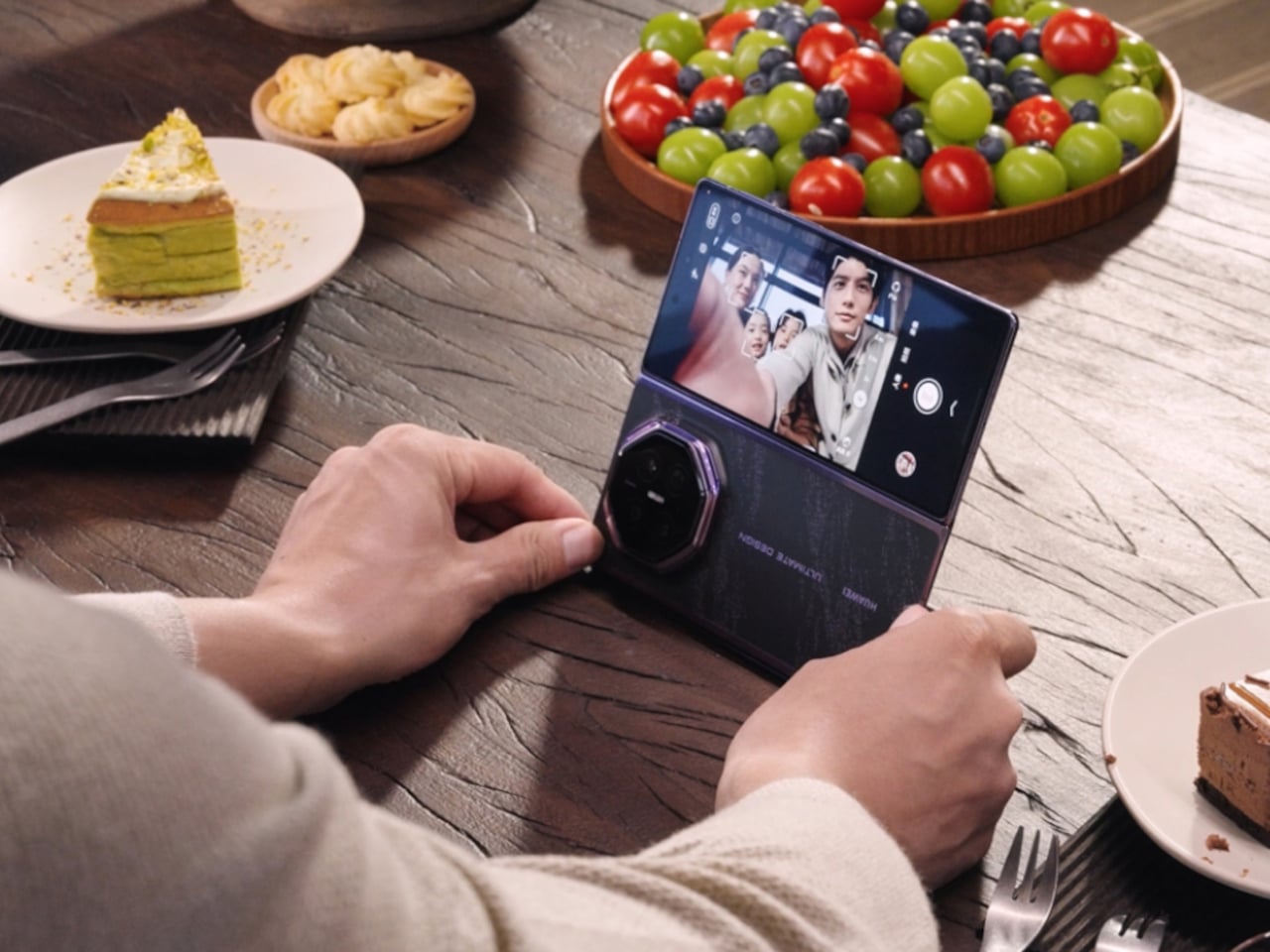
The rear camera module carries the distinctive octagon shape that Huawei’s flagships have been sporting for quite some time now. Underneath sit a 50MP main sensor with a variable aperture, a 40MP ultra-wide lens, and a 50MP periscope telephoto capable of 100x digital zoom. A third-generation color engine tunes the results for tones that hold up without heavy editing.
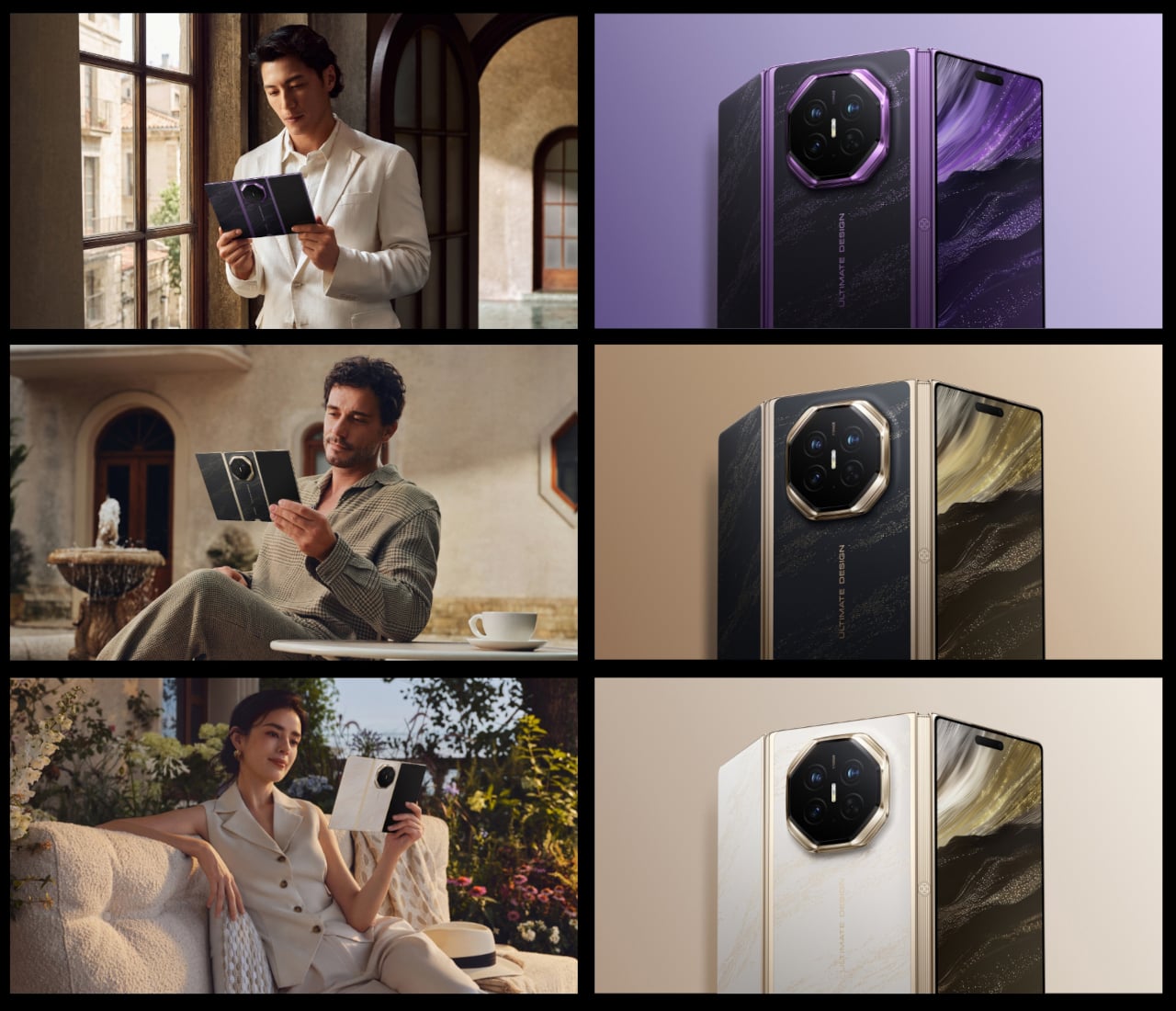
Powering all of it is the Kirin 9050 Pro, built on Huawei’s LogicFolding architecture rather than a conventional layout, which the company says raises transistor density by 53.5 percent and clock speeds by 12.7 percent. HarmonyOS 7 takes advantage of the extra room by running three apps side by side on the unfolded display, treating the tri-fold shape as a genuine workspace instead of a novelty.
None of this bulks up the phone the way its spec sheet suggests. A 5,600mAh battery charges at 66W over a cable or 50W wirelessly, and the whole device still folds down to 12.3mm while weighing 299 grams. Pricing starts at CNY 19,999 (approximately $2,800) in China, climbing to CNY 29,999 (approximately $4,200) for the privacy-screen version bundled with a stylus.
The post Huawei Finally Fixed the One Flaw That Followed Its Tri-Fold Phone first appeared on Yanko Design.
from Yanko Design



0 Comments