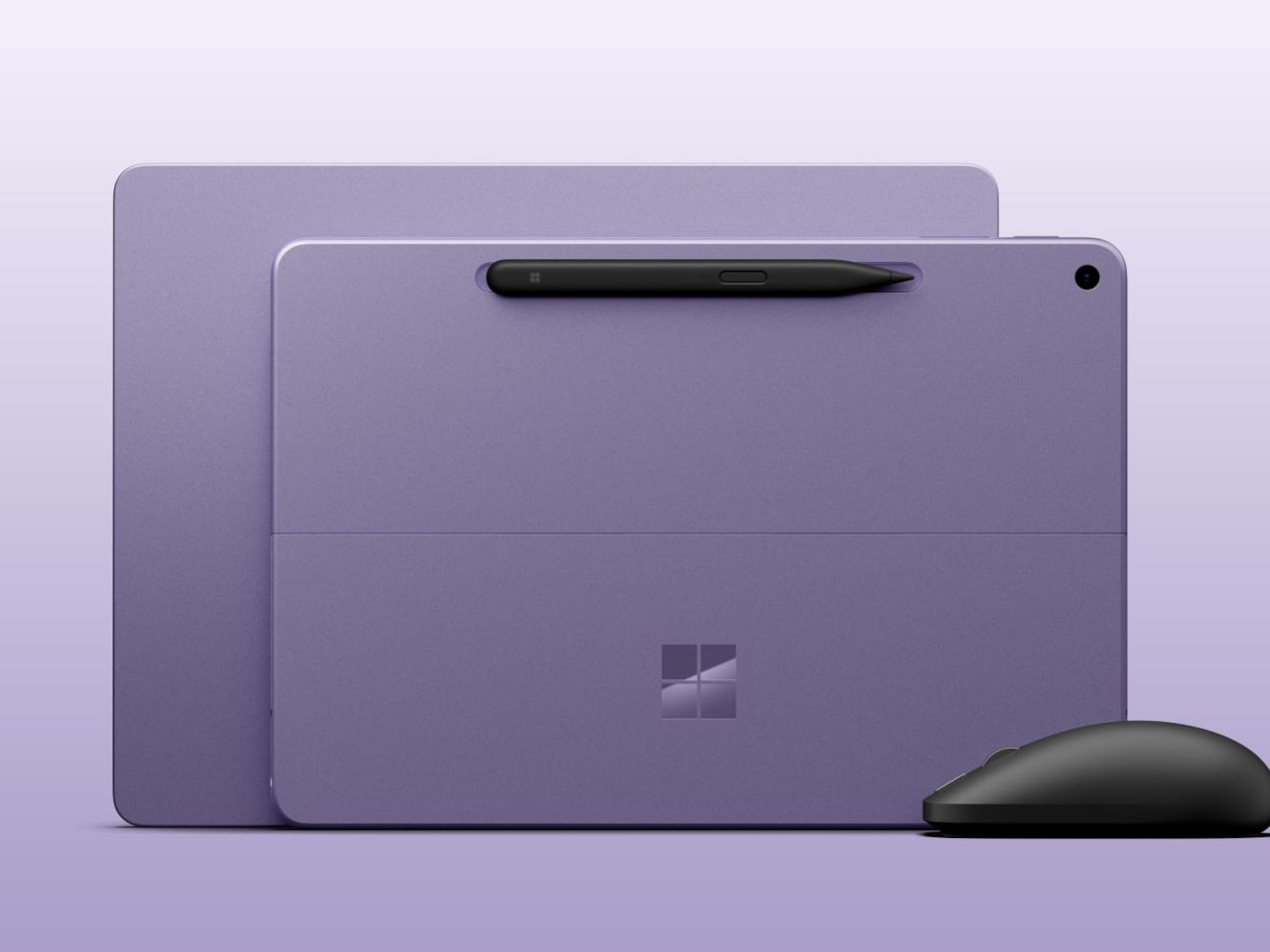
Tech companies test colors the way restaurants test seasonal menu items, quietly, without much commitment, ready to pull them the moment sales dip. Purple laptops have a well-documented habit of disappearing after one product cycle, treated as a marketing flourish rather than a real option. Microsoft’s new Surface Pro 12-inch didn’t get that memo, and Violet is back for a second round, sitting right next to Black and Platinum like it’s always belonged there.
That decision matters more than a simple colorway refresh might suggest. Thin, light ARM-powered computers have spent years arguing their case through spec sheets and battery charts, rarely through how they actually look sitting on a desk. Keeping an unconventional color alive into a second generation signals that Microsoft sees Surface Pro’s audience as people who want a personal object, not just a workstation that happens to be portable enough to carry around.
Designer: Microsoft
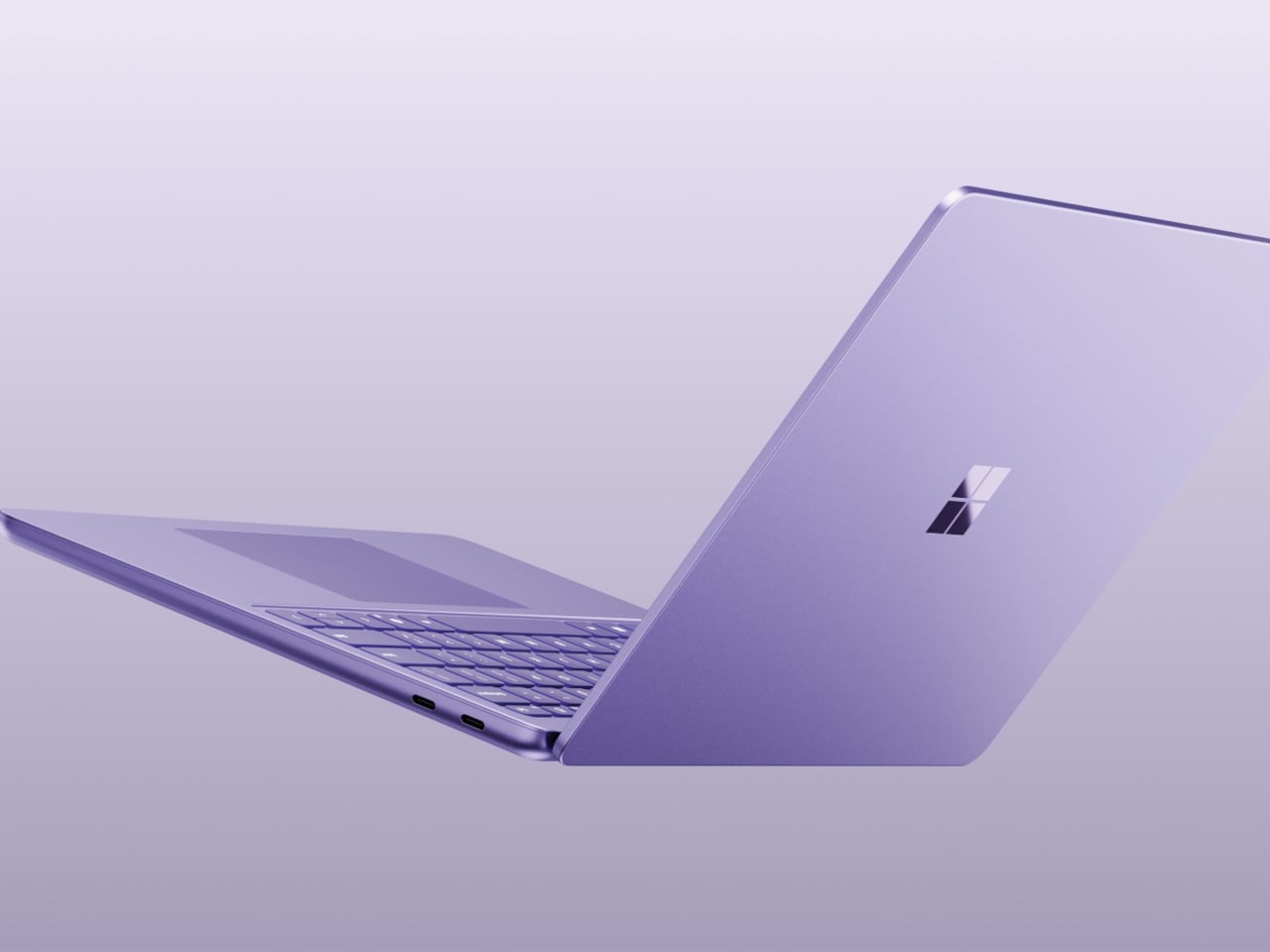
The Surface Laptop 13-inch picks up its own version of that same instinct, adding a new Black finish this generation rather than leaving the lineup untouched. Paired with Violet’s return on the Pro, the two devices read less like a spec bump and more like a coordinated argument that thin-and-light Windows hardware doesn’t need to hide behind gray and silver anymore. It’s the same instinct driving Apple’s increasingly colorful MacBook lineup, arriving here in a slightly different shade.
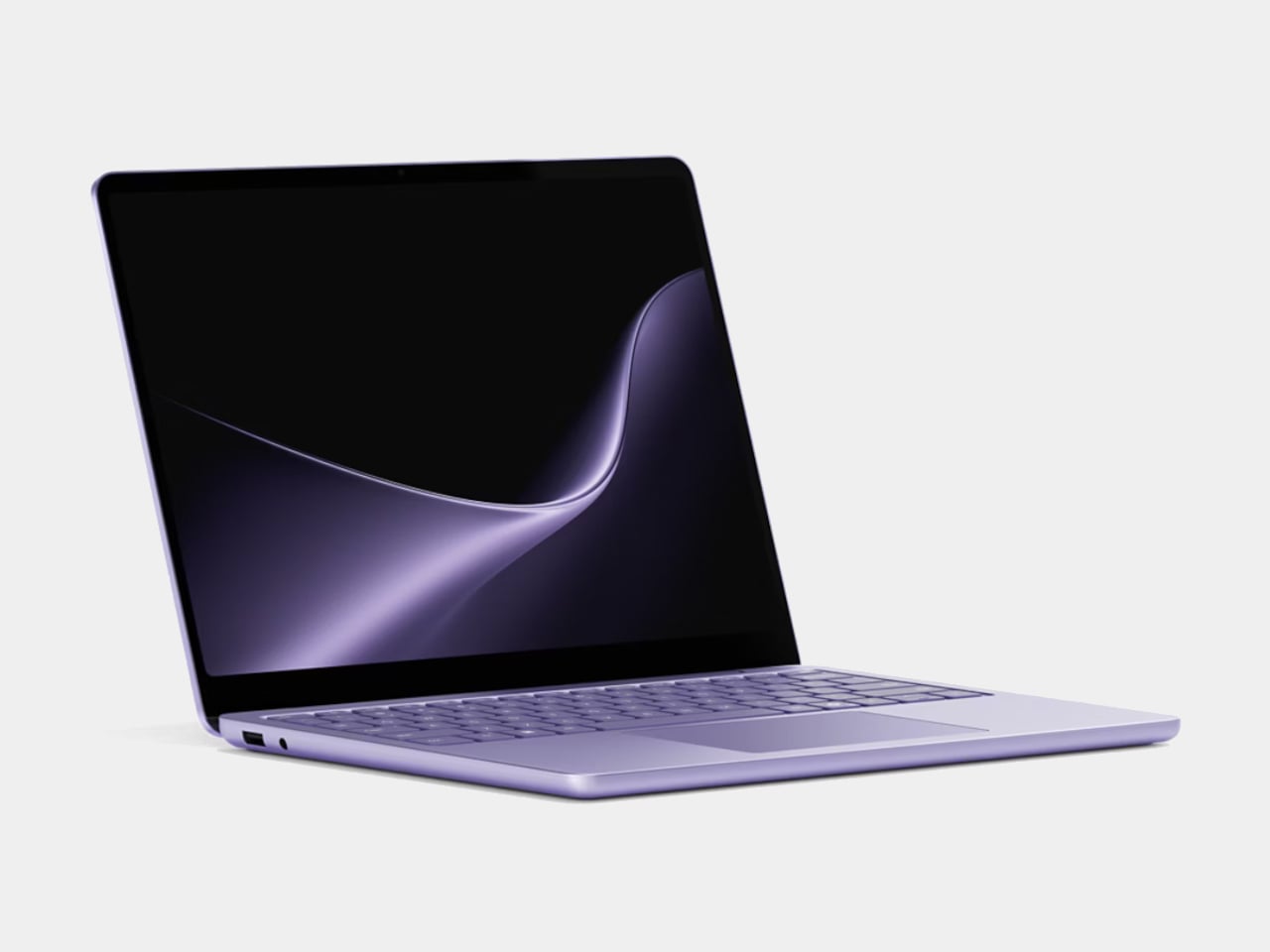
Underneath that color story sits a chip that’s quietly doing more legitimizing work than any past Snapdragon generation. The Snapdragon X2 Plus processor powers both machines, and Microsoft’s own pitch leans hard into what that architecture unlocks for on-device AI, work that runs locally instead of bouncing to a cloud server first. Lower latency, less dependence on a constant connection, and less of a user’s data leaving the machine at all are the actual selling points buried under the marketing language.
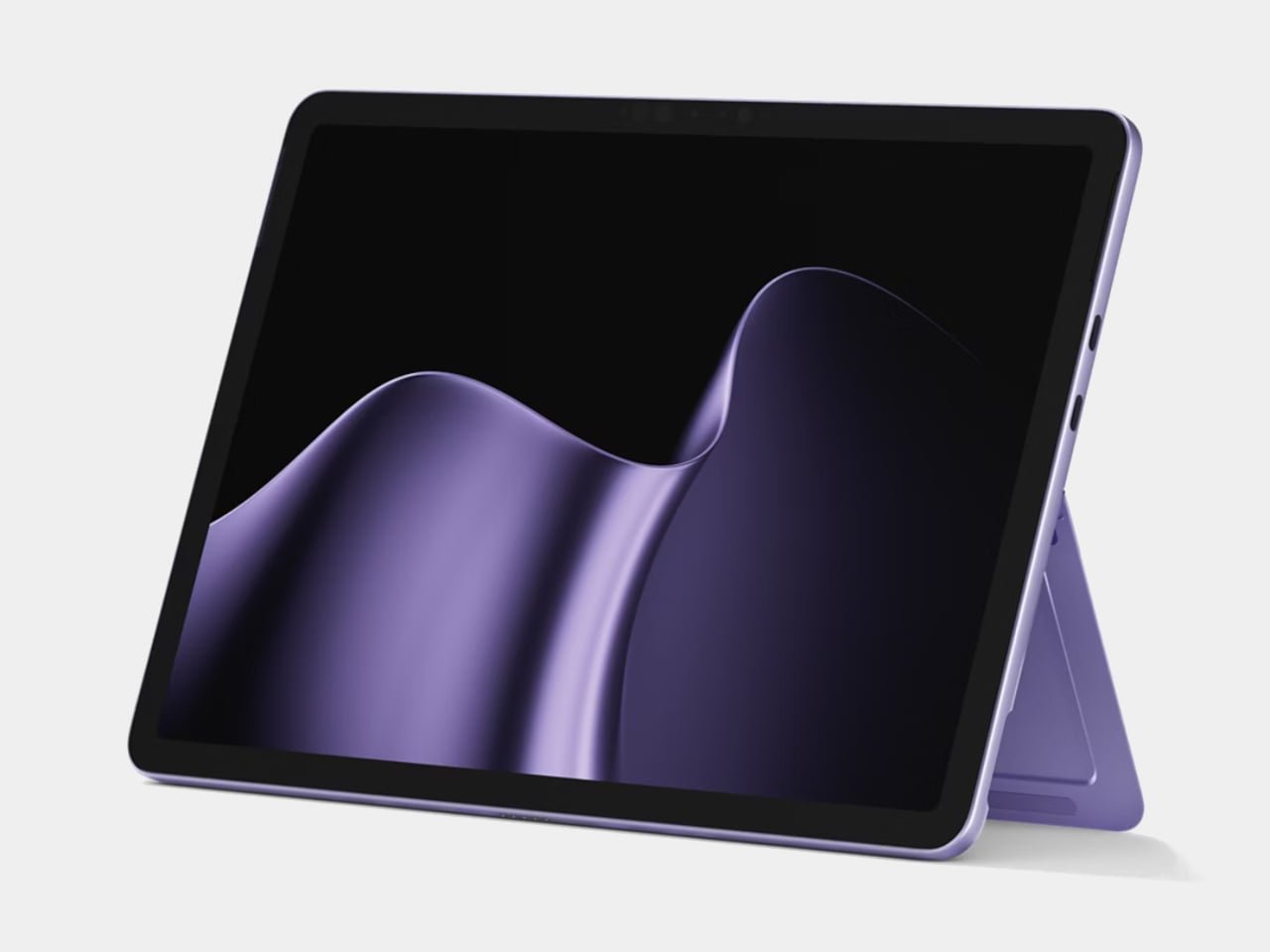
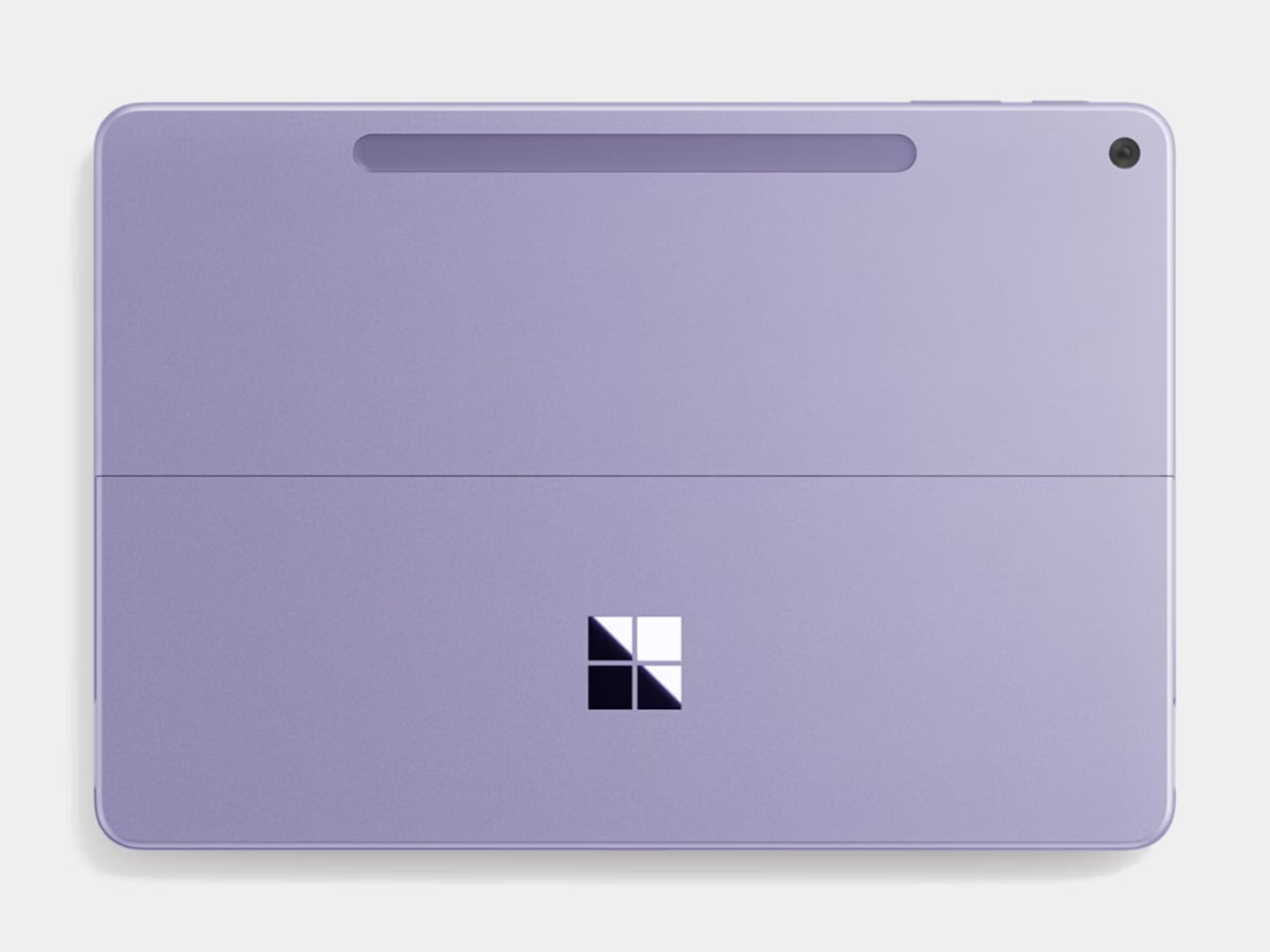
That local-processing pitch only means something if the hardware around it earns trust too. Both machines lean on the same fanless, quiet-running design language Surface has spent a decade refining, the kind of engineering that doesn’t announce itself until a laptop is still cool and silent six hours into a video call with a dozen tabs open behind it. The chip gets the credit, but the chassis is doing quieter work alongside it.
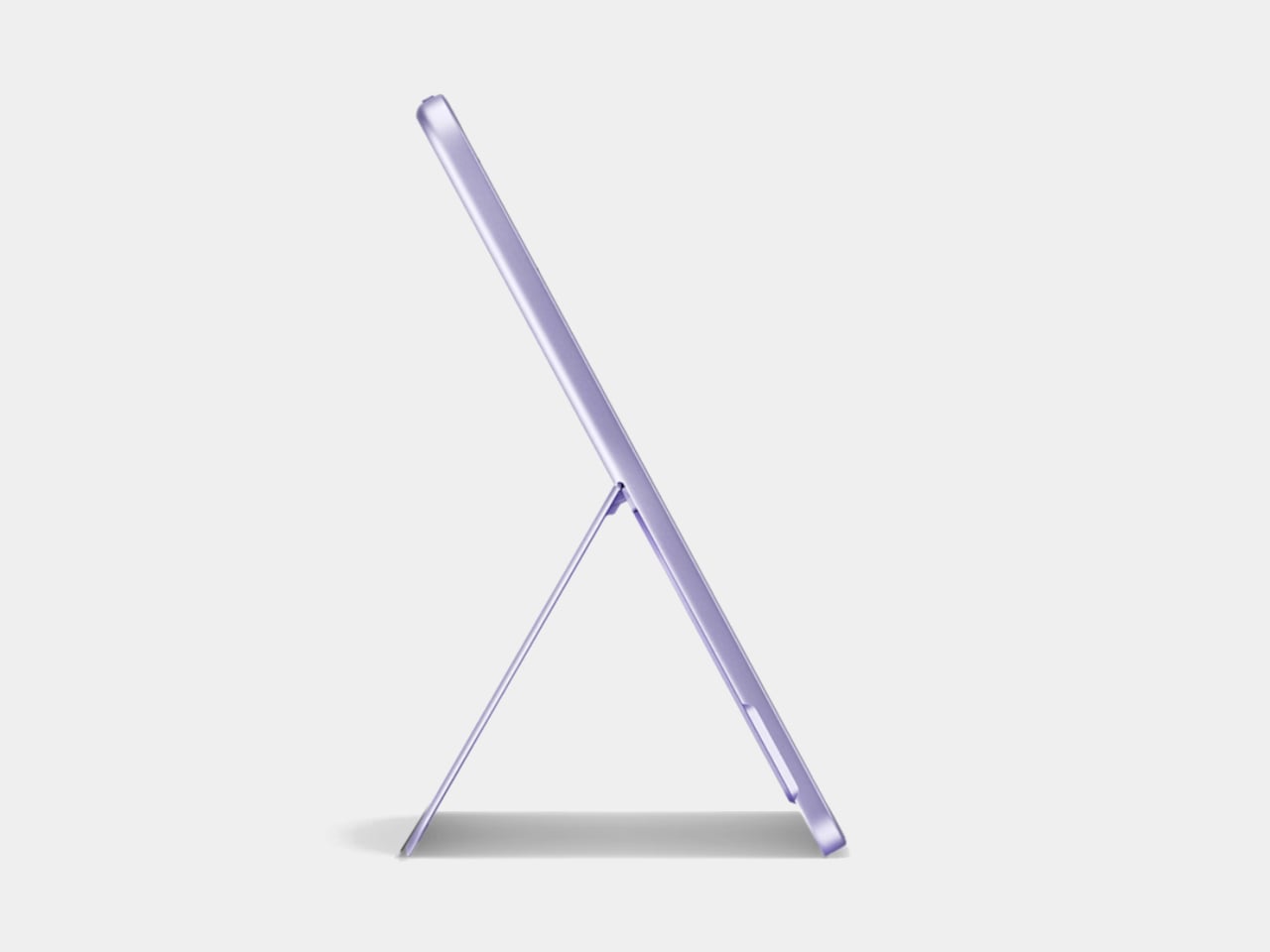
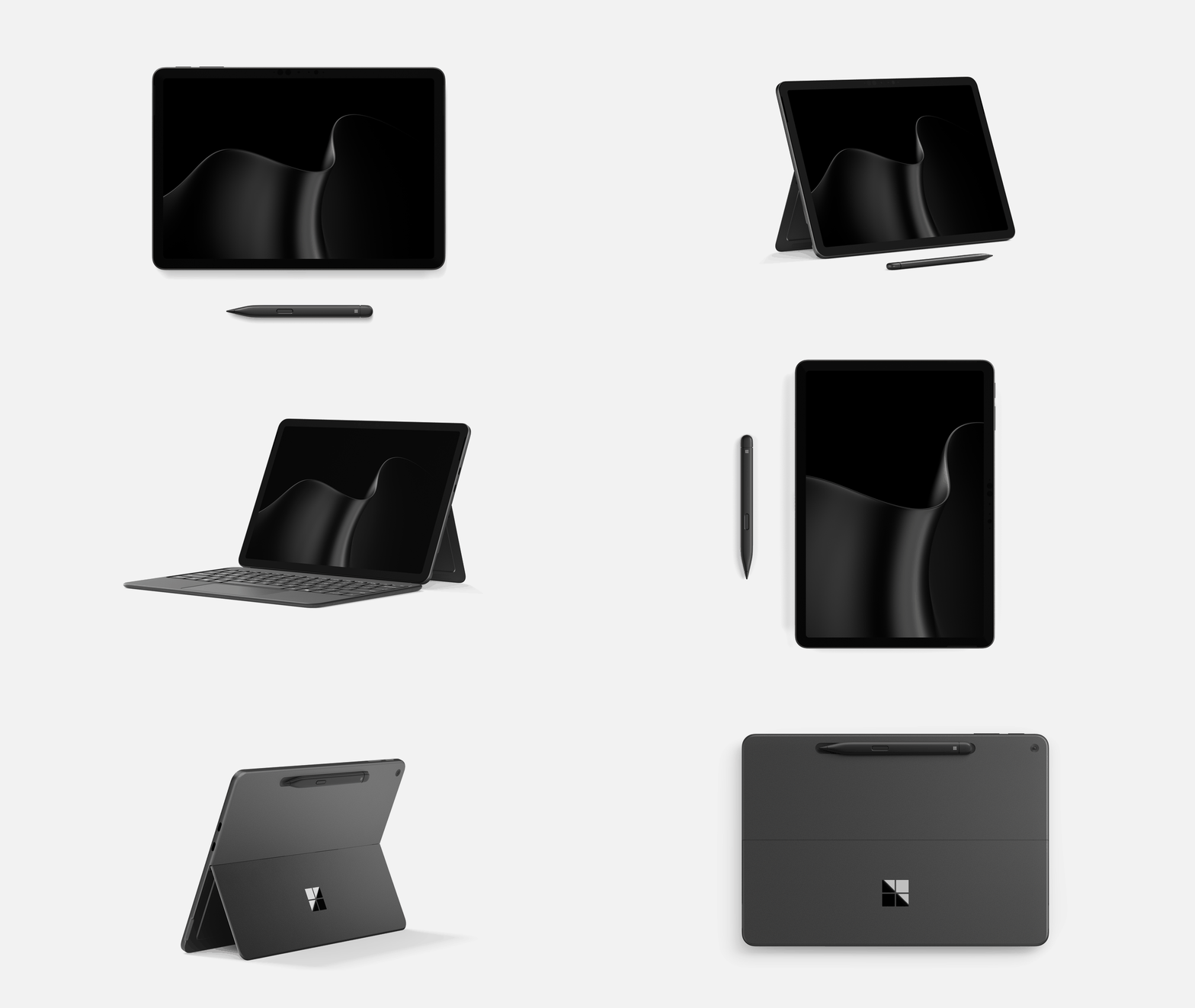
Surface Pro 12-inch keeps its tablet-first identity intact, staying thin, light, and fanless while the Surface Slim Pen tucks away magnetically on the body itself for whenever a sketch beats typing. A 25% brighter, 500-nit display makes a real difference outdoors or under harsh office lighting, the kind of upgrade that shows up in daily use rather than a spec sheet skim. An optional 5G configuration finally reaches this smaller form factor too, letting it stay connected without hunting for Wi-Fi in an unfamiliar office or airport lounge.
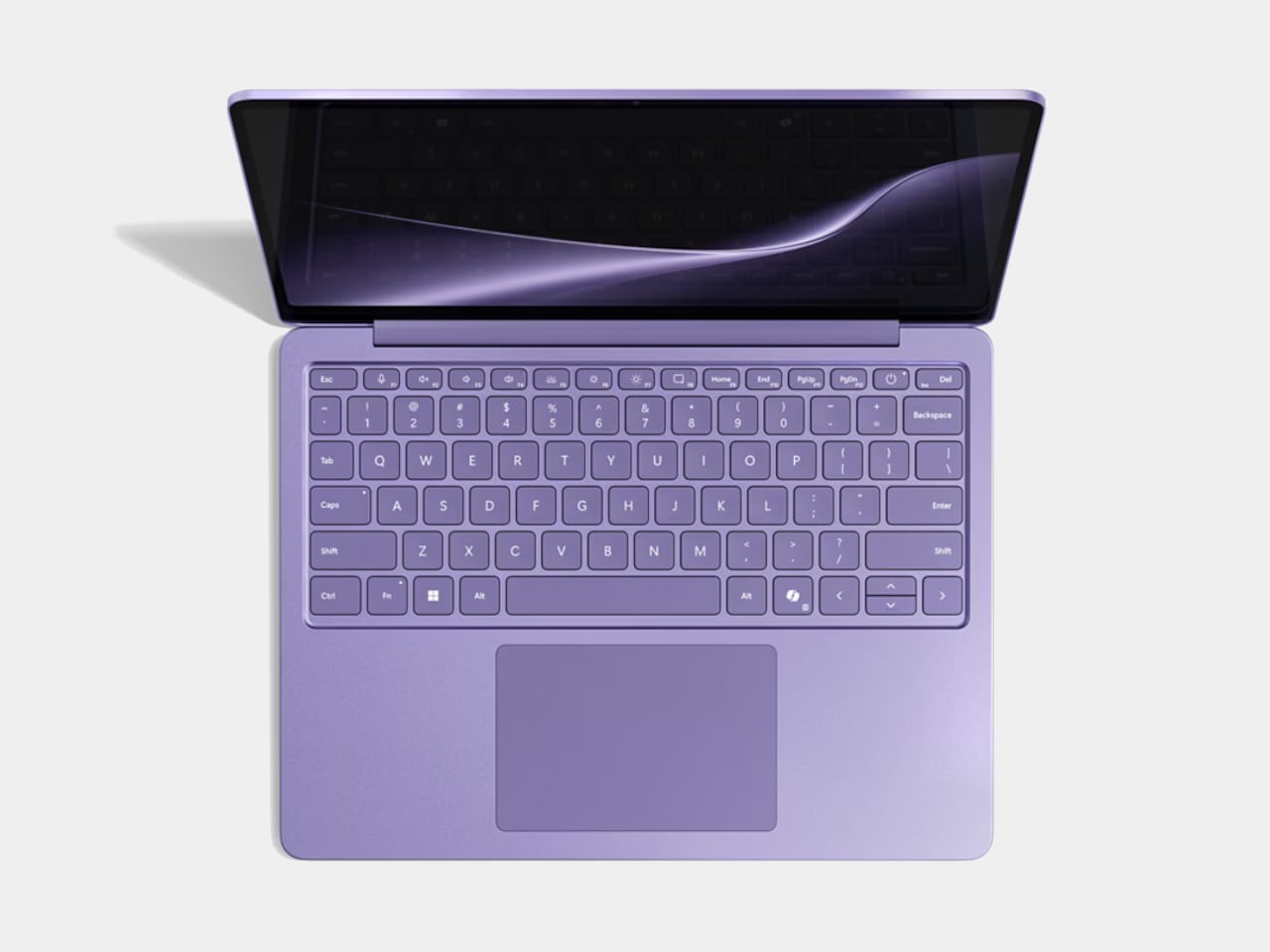
Surface Laptop 13-inch takes the opposite approach to the same goal, choosing a full-size keyboard and a fixed clamshell shape over the Pro’s shape-shifting flexibility. It’s built for the version of a workday spent moving between long documents and long meetings rather than switching between sketching and typing every few minutes. Rated at 22.5 hours of battery life, it’s built to survive a full day away from an outlet, no charger bag necessary.
None of this erases the fact that ARM-based Windows machines still occasionally trip over older desktop software that was never built with a phone-style chip in mind. What’s changed is how rarely that trips up an actual workday now, compared to how loudly it used to. Snapdragon silicon has quietly moved from an experiment tolerated for its battery life into an architecture Microsoft is willing to build its two most portable machines around, purple casing included.
The post Microsoft Just Proved Purple Belongs on a Windows Laptop for Good first appeared on Yanko Design.
from Yanko Design



0 Comments