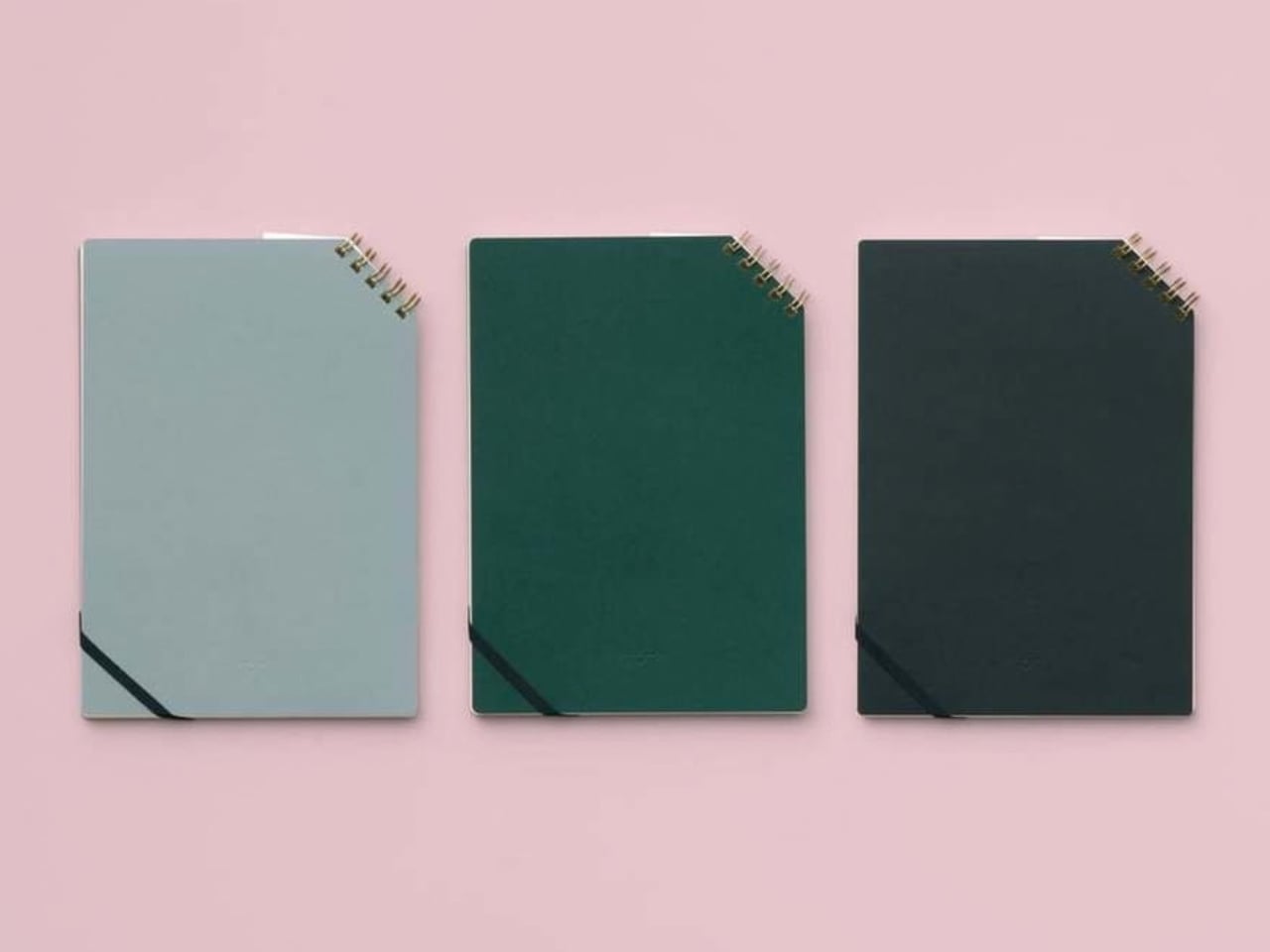
As a certified stationery hoarder (if there were an actual certification for that), I own all kinds of notebooks: hardcover, softcover, A5, A6, dotted, lined, unlined, Hobonichi, Midori, Moleskine, etc., etc. One kind of notebook I rarely own is spiral-bound. Sure, they seem to be popular and sometimes more convenient, but I can’t seem to find a comfortable way to write in one. At some point, the spiral digs into my hand, and I end up shifting the notebook around just to finish a page.
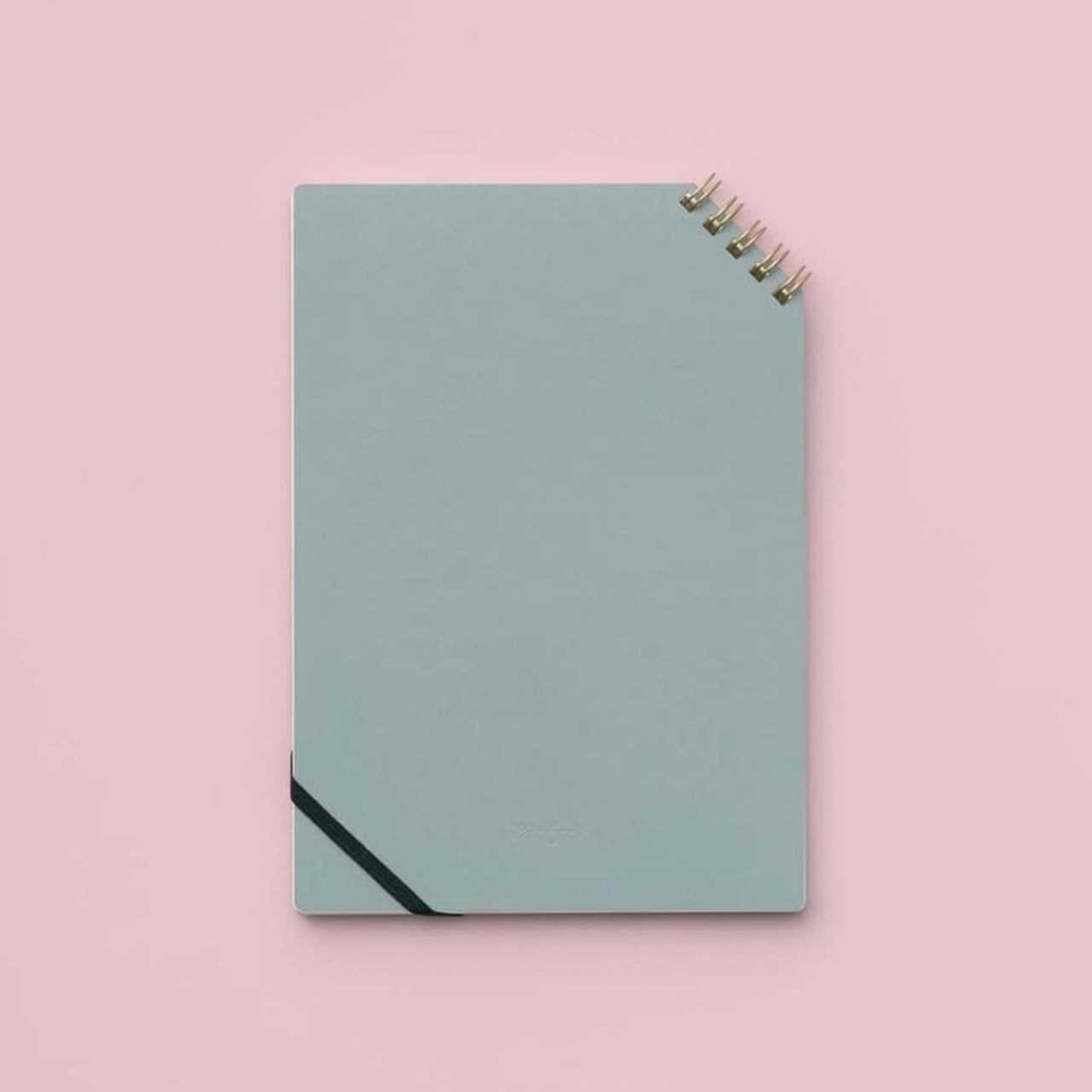
Japanese stationery brand Inkaren has found a way around this common problem with its Diagonal Ring Notebooks. Instead of putting the binding along the long or short edge, Inkaren placed the rings at the upper-right corner. This could make writing more comfortable for those who take notes or journal often. At the same time, you get a unique-looking notebook to carry around—one that might make another stationery lover stop and ask where you found it.
Designer: Inkaren
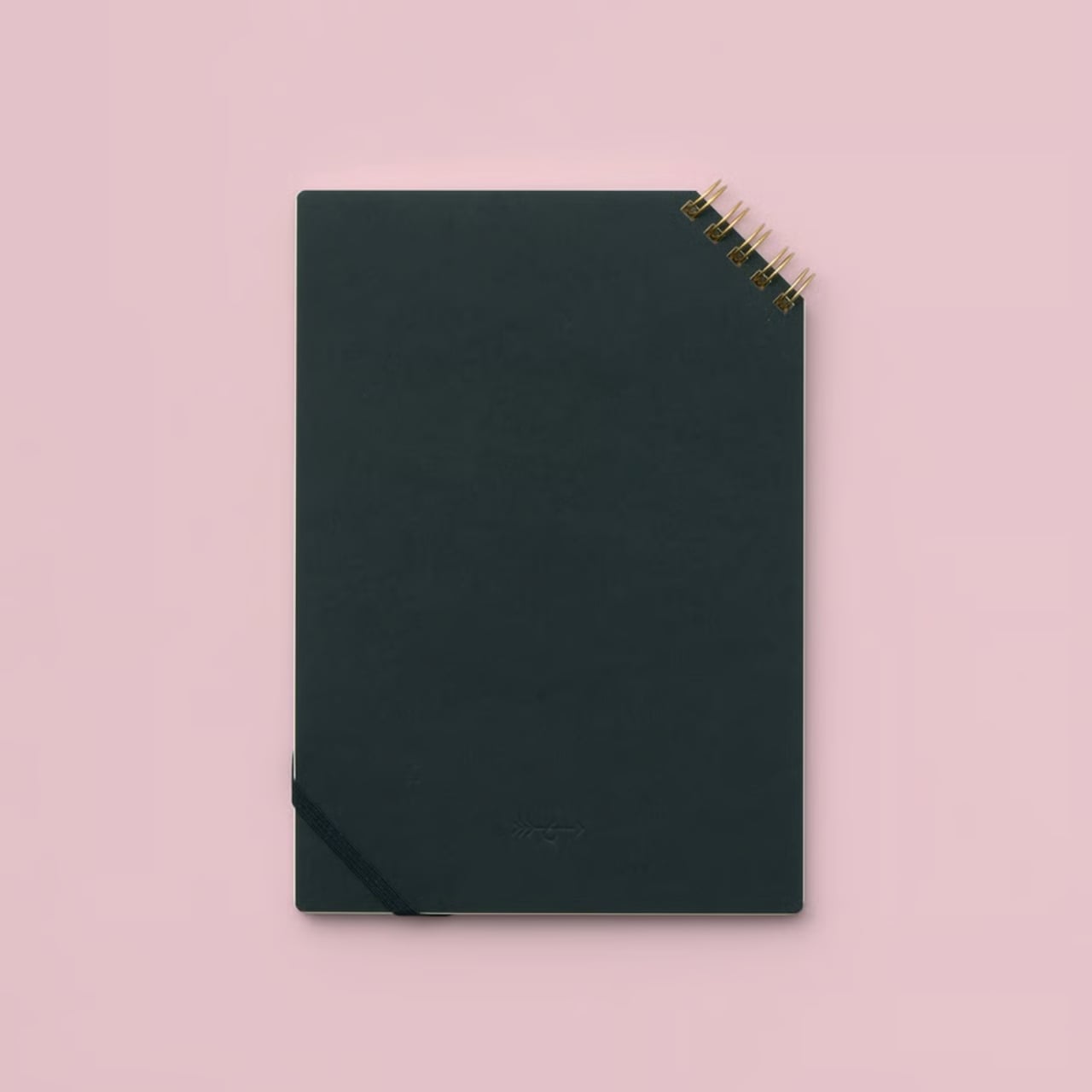
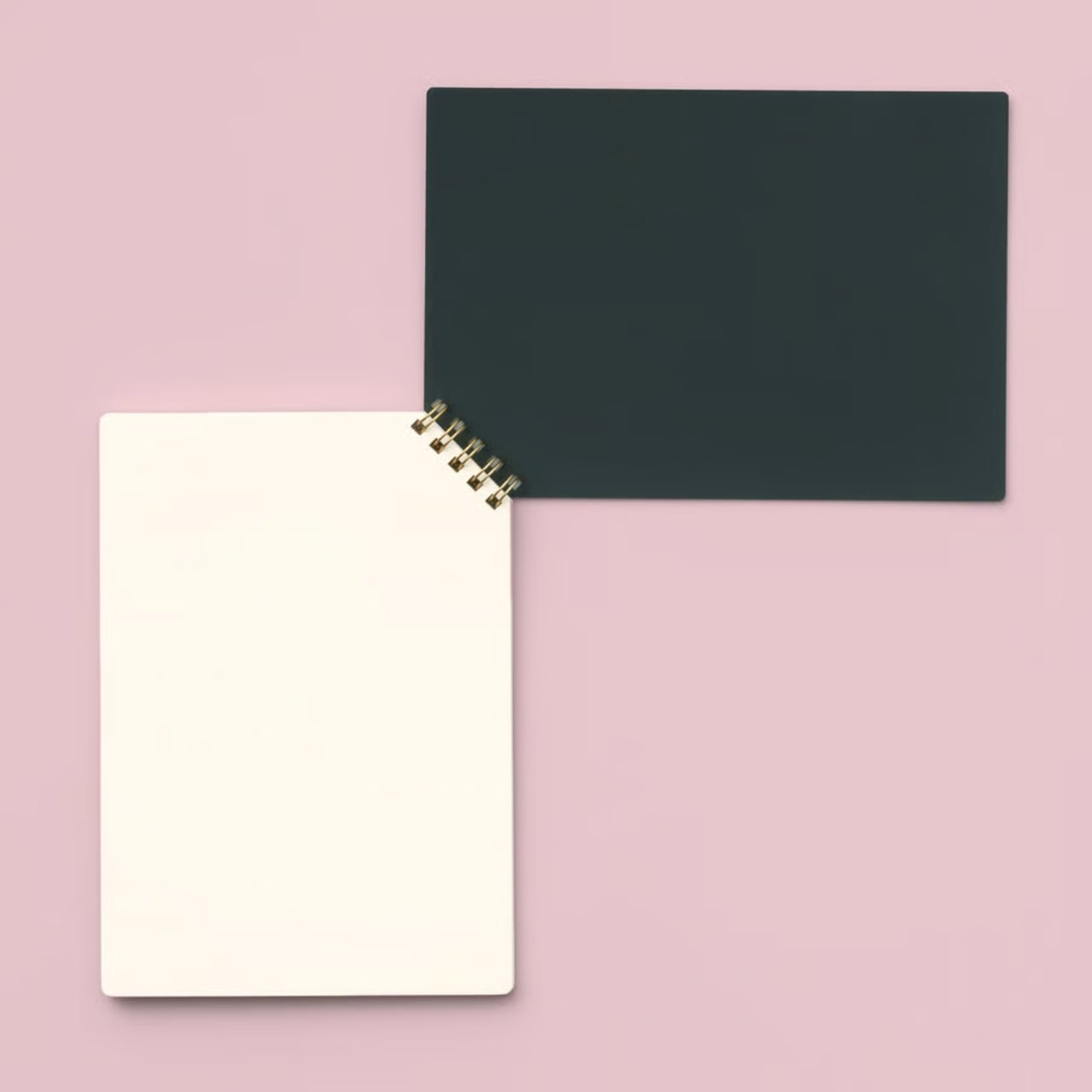
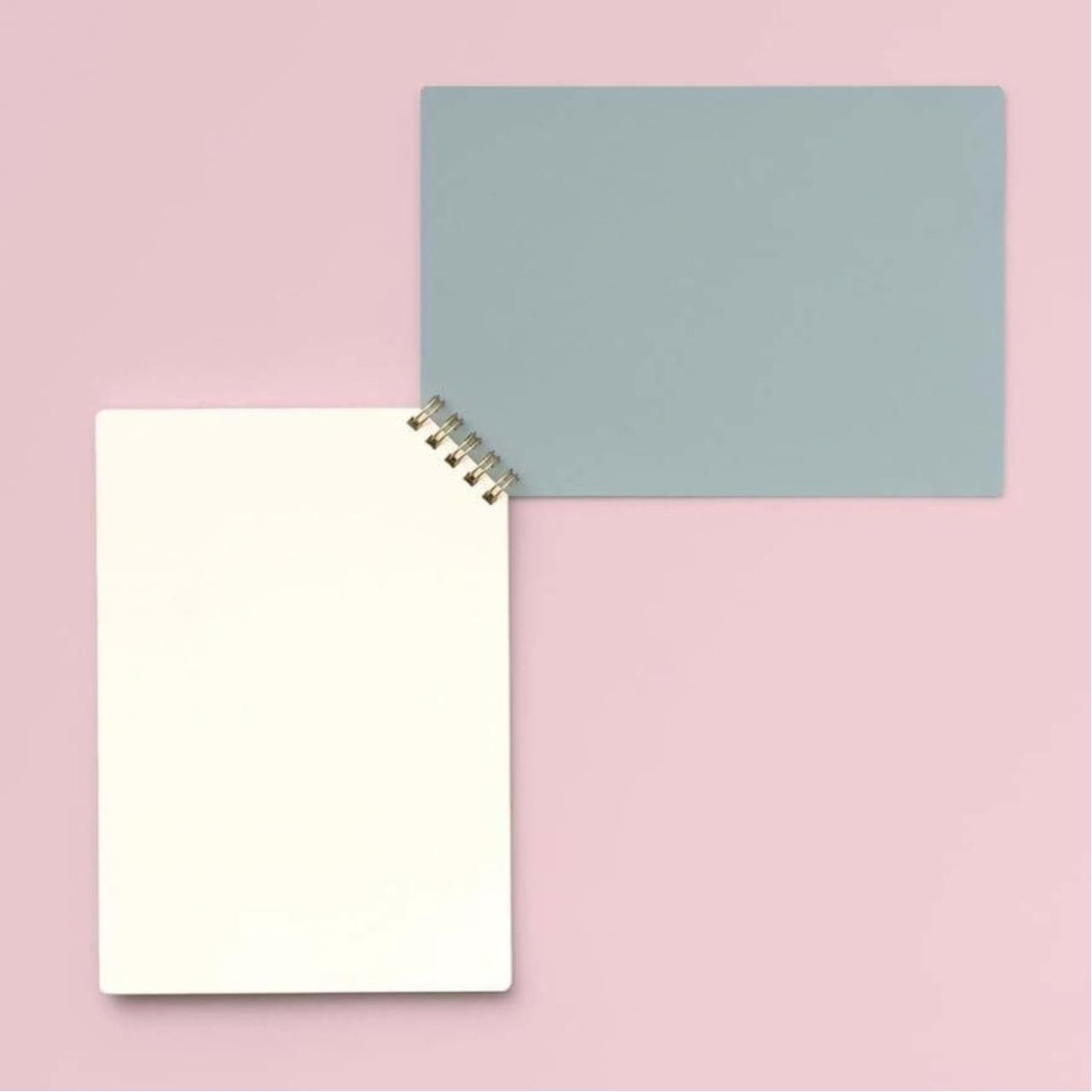
The brand says it designed the notebook by breaking free from the “unconscious limitations” of where rings are usually placed. Most spiral-bound notebooks have them along the side, while others put them at the top, like a notepad. This time, Inkaren put them diagonally across the upper-right corner, giving the notebook a different look and feel. You might expect the binding to be on the upper left, but many Japanese books open from the right. That detail gives Western users something interesting to notice, although it may take a moment to get used to opening the notebook the other way.
Aside from keeping the rings away from your hand while you write, the corner placement is meant to let the pages turn smoothly. It also leaves the long edges free of binding, which could be useful for bullet journalers, note-takers, and sketchers who prefer an uninterrupted writing area. The shorter binding uses less material than a spiral running the full length of the notebook, too. There’s an elastic band that holds the notebook closed in your bag, helping prevent the pages from getting bent or caught on everything else you’re carrying. As someone who tends to throw a notebook in with my pens, keys, and whatever else fits, I appreciate that small detail.
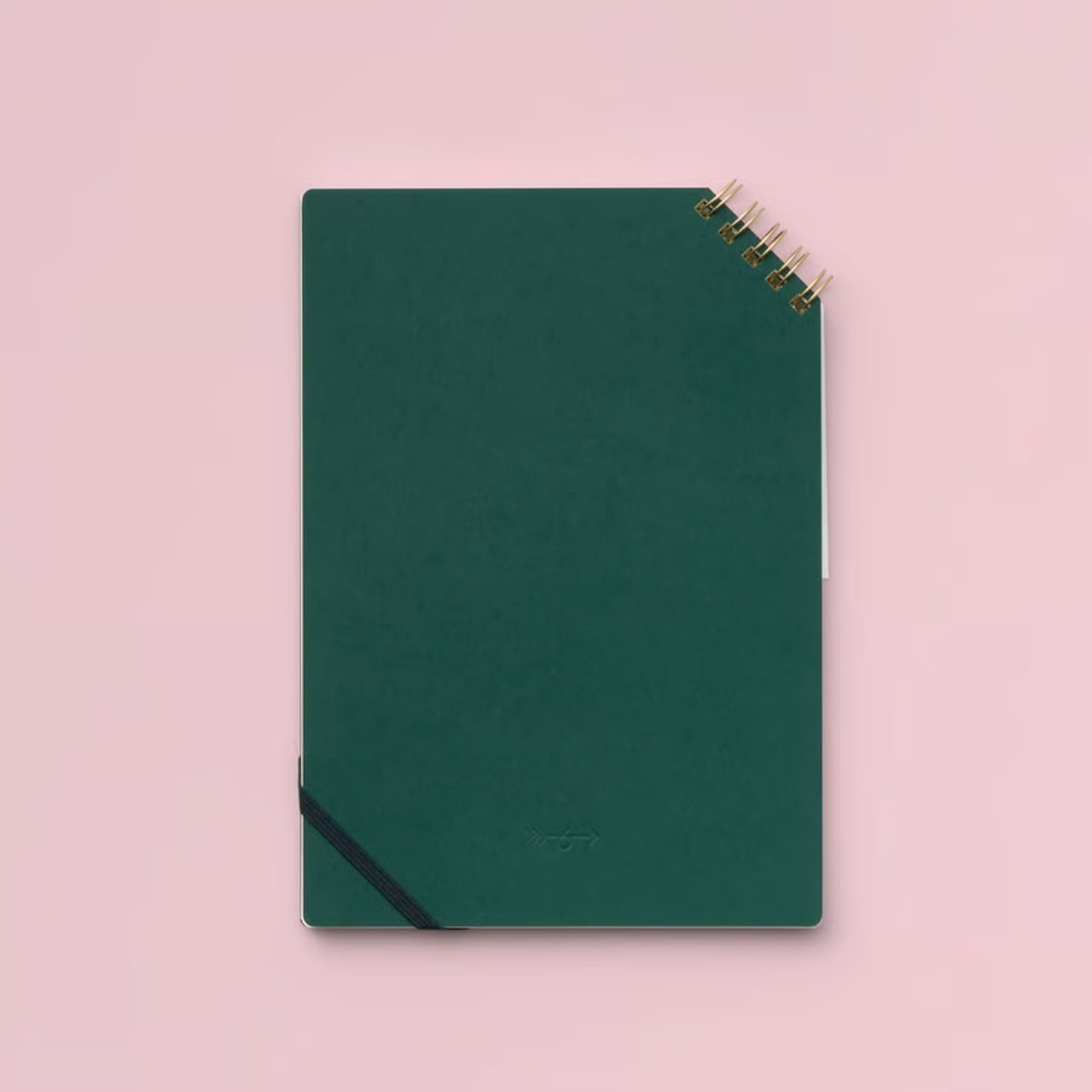
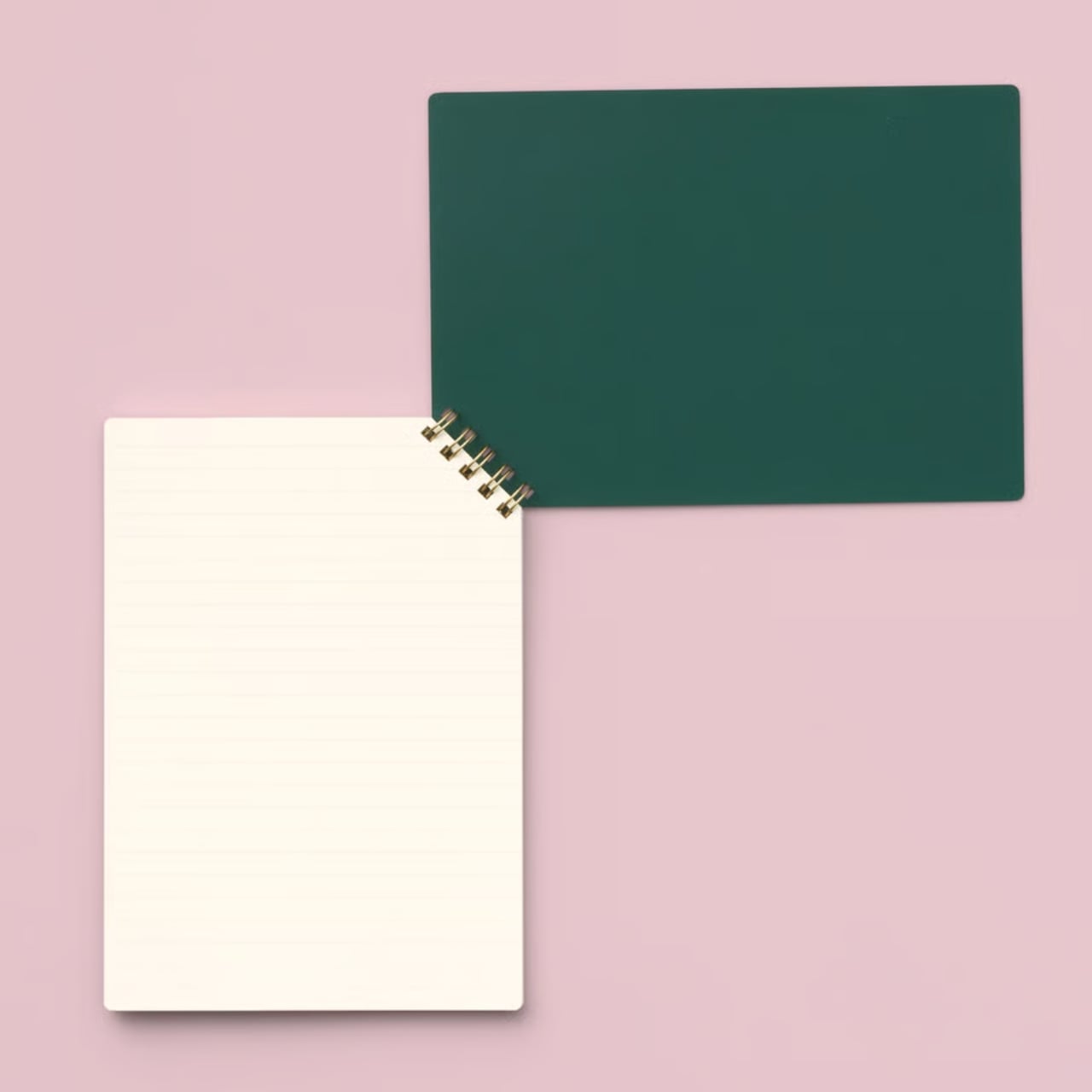
The notebooks come with blank, lined, or dot-grid pages, so you can pick the format that works best for you. Blank pages give you room to sketch, lined pages keep written notes tidy, and dot-grid pages offer a little guidance without getting in the way of drawings or layouts. The covers have a simple, understated look that lets the unusual binding be the main design feature. Inkaren also makes a notepad version if you’d rather have something for shorter notes.
The details beyond the binding are worth a look, too. The A5 notebook has 50 sheets and a sturdy cover made from paper with a leather-like texture. According to the brand, the interior paper was chosen for writing comfort. That combination makes it feel like more than a novelty item: the unusual shape may catch your eye, but the cover, paper, and elastic band are the features you’ll notice every time you use it. The A5 size also gives you space to write without making the notebook feel oversized.
Of course, a corner-bound notebook won’t be the perfect replacement for everyone’s favorite spiral. If you prefer a familiar left-opening layout or need a much thicker notebook for a long project, you’ll want to consider whether this format suits the way you work. And while the binding keeps the rings away from most of the writing area, comfort will still depend on how you hold and use the notebook.
For me, that’s what makes Inkaren’s design appealing. It doesn’t try to reinvent note-taking; it rethinks one small part of the notebook that has always bothered me. If you’ve ever avoided an otherwise useful spiral-bound notebook because its rings got in your way, this is a clever alternative worth considering.
The post The Corner-Bound Notebook Without the Wrist-Digging Problem first appeared on Yanko Design.
from Yanko Design



0 Comments