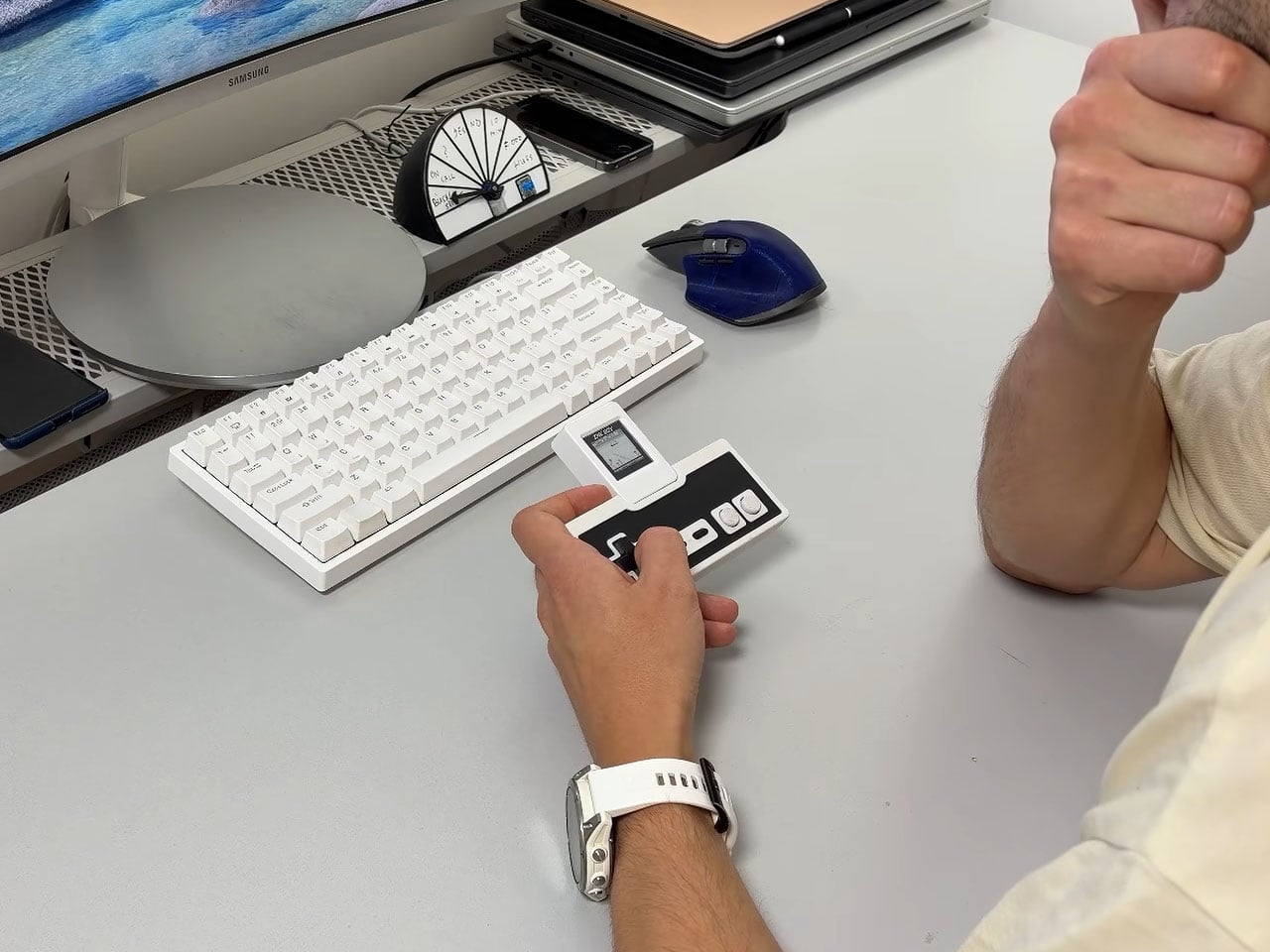
Who would have thought an e-paper screen could run Game Boy games at 30 FPS? That’s exactly what Bo Made It’s InkBoy project sets out to do, turning a tiny display designed for simple, static content into a surprisingly capable retro gaming setup. It can even run Super Mario Land smoothly enough to make you forget you’re playing on a screen better suited to an e-reader.
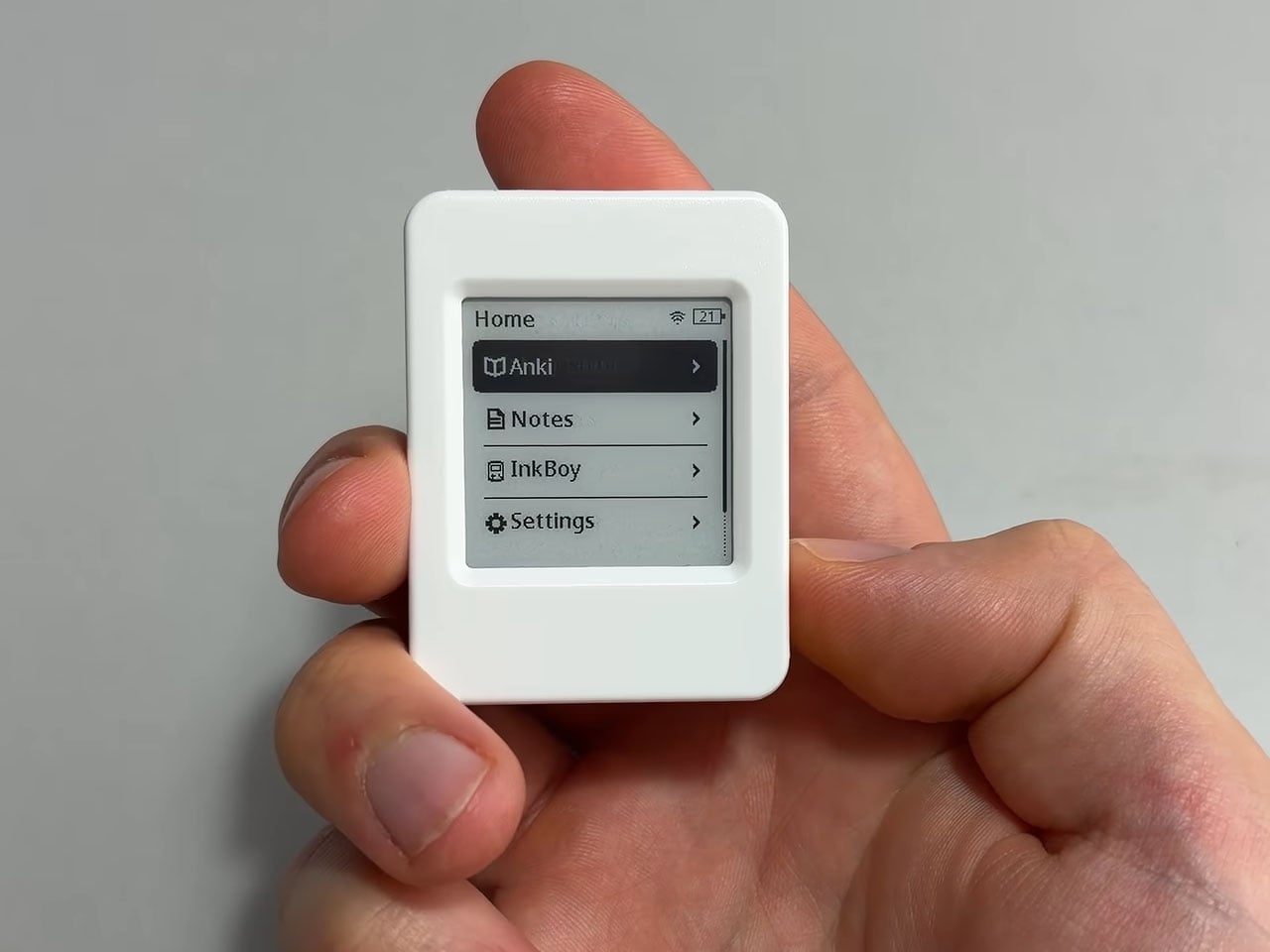
Built around an ESP32 development board with an integrated e-paper display, InkBoy takes on one of the technology’s biggest limitations: slow refresh rates. E-paper is great for reading because it uses very little power to maintain an image, but updating that image quickly enough for a video game is a different story. Instead of accepting the usual limitations, the project finds a way to make the screen respond much faster.
Designer: Bo Made It
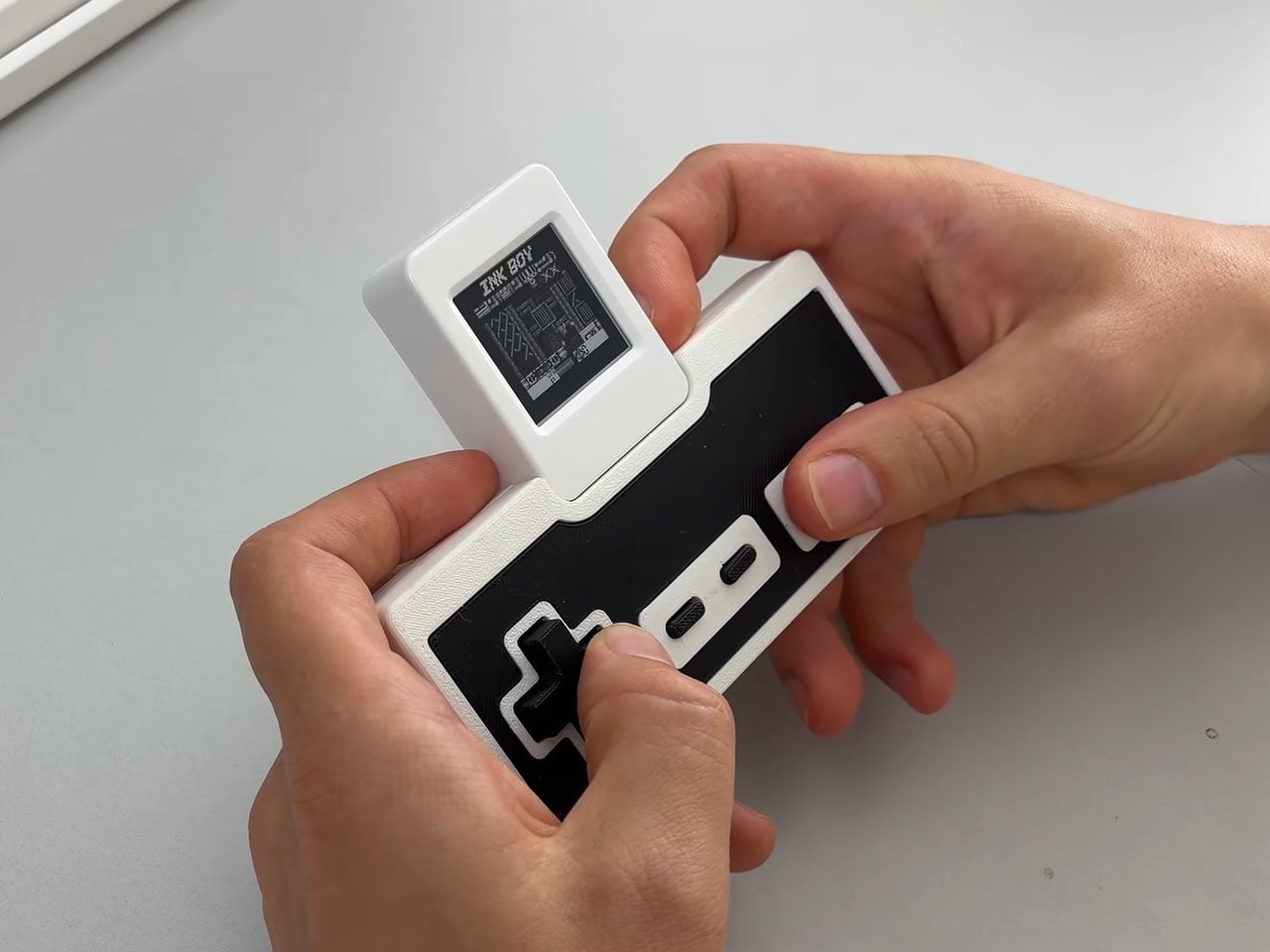
The trick lies in how the display is driven. E-paper screens form images by moving tiny particles using electrical pulses. A conventional refresh involves a carefully controlled sequence that takes time and can produce the familiar flashing effect seen on e-readers. InkBoy cuts down this process by using much shorter pulses and updating individual pixels rather than repeatedly refreshing the entire screen. This results in a much quicker response without replacing the display itself.
Getting the image to look right is just as important as making it move. InkBoy uses carefully controlled pixel transitions to produce different shades of gray, although this can leave faint trails behind moving objects. There’s also a faster black-and-white mode that uses dithering to create the impression of additional shades. It gives the project some flexibility, letting the developer trade tonal detail for a more responsive image when needed.
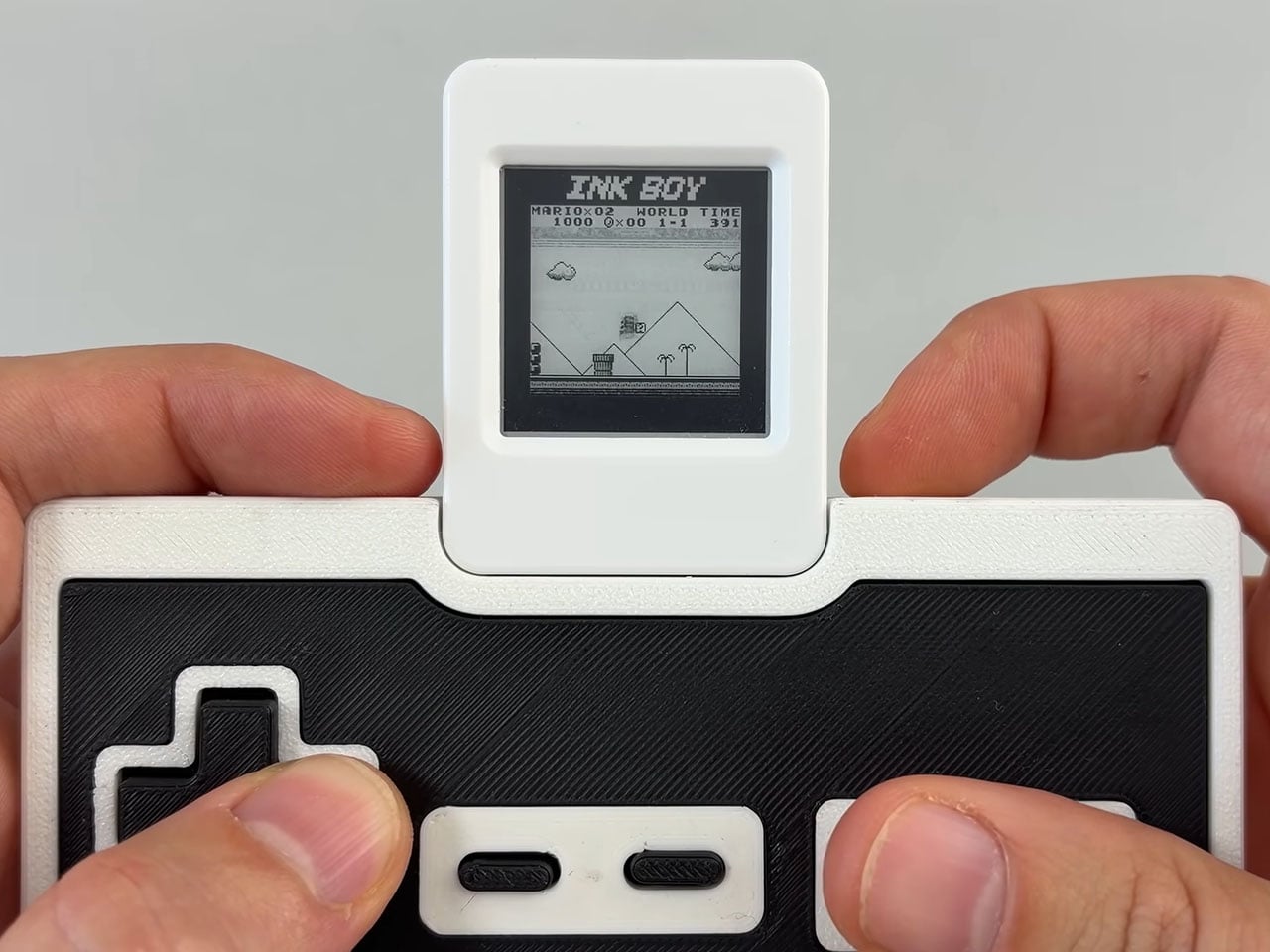
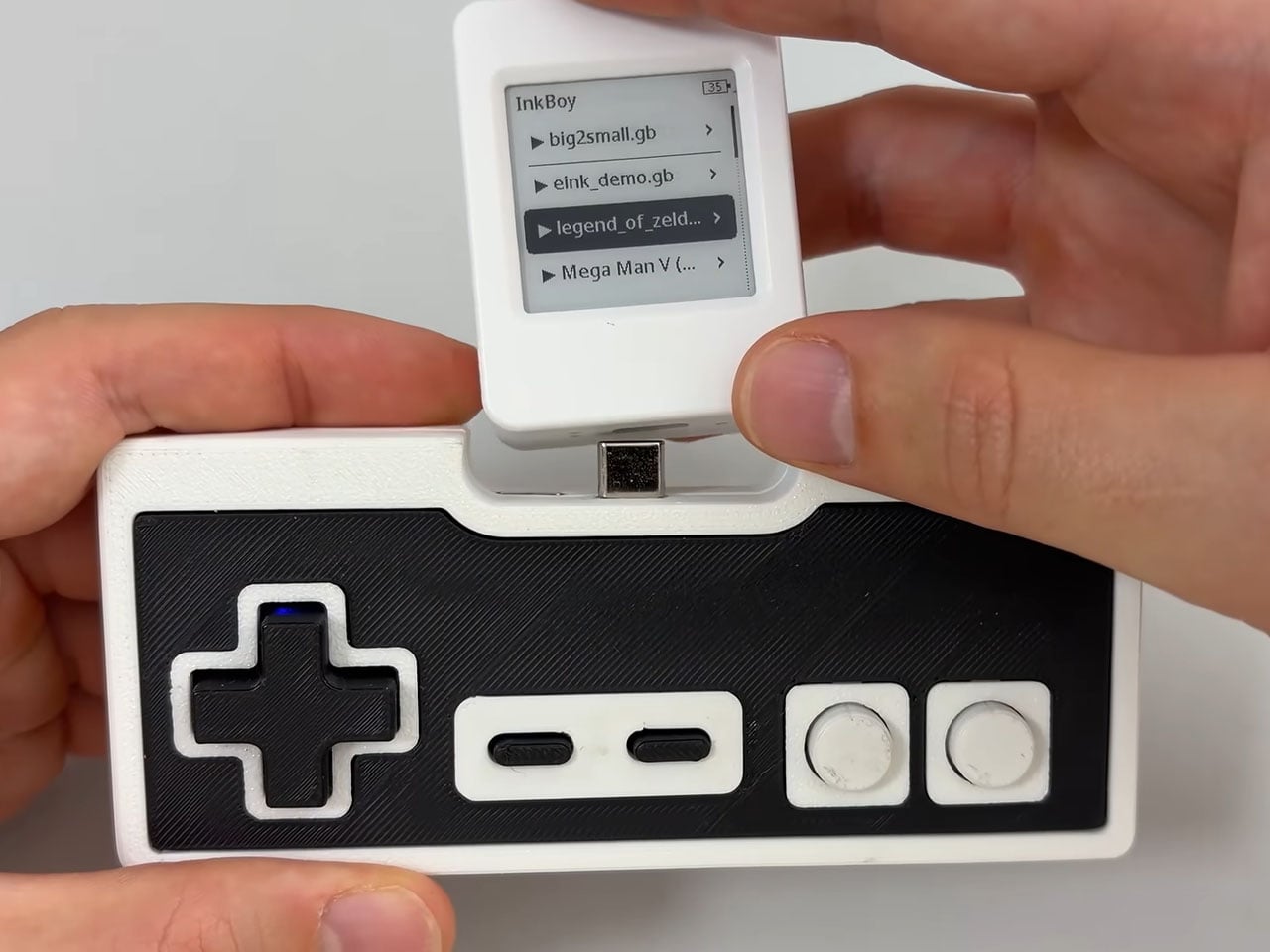
The project builds on ideas explored in PaperBoy, an earlier e-paper gaming experiment by Wenting Zhang. InkBoy brings a similar theme to a compact development board, using existing Game Boy emulation projects to handle the games themselves. Titles can be loaded from a microSD card, and the software supports saving progress and resuming a session later.
The rest of the setup is equally technical as the rest of the build. Controls are managed by a separate ESP32-C3 board housed in a 3D-printed enclosure and connected to the display module over USB-C. Bluetooth pairing is also supported, while a built-in speaker handles game audio. Together, these elements turn what could have been a simple proof of concept into a more complete little gaming device.
There are still limitations with this DIY. Some games struggle to maintain the target frame rate, and the modified refresh method can leave ghosting on the screen. The long-term effects of repeatedly using unconventional waveforms are also uncertain, particularly when it comes to image retention and potential permanent marks. However, InkBoy turns one of e-paper’s biggest limitations into its most surprising feature, bringing classic Game Boy gaming to a screen nobody would expect to play on!
The post This Tiny E-Paper Game Boy lets you play Super Mario Land at 30 FPS on a reading screen first appeared on Yanko Design.
from Yanko Design



0 Comments